
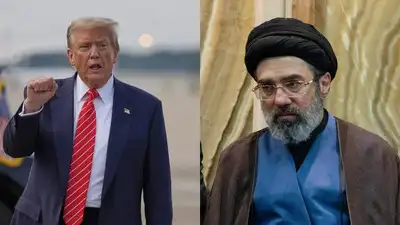
The tougher military posture comes as Trump escalates his warnings against Iran
Iranian Army spokesman Brigadier General Mohammad Akraminia said the change had emerged from lessons learned during what he described as the country’s recent 12-day and 40-day wars.
He said Iran had gradually moved away from a purely defensive strategy and was now preparing to respond to attacks with broader and faster retaliation. He said the military had used the current pause in fighting to repair systems damaged during the conflict, introduce new equipment and revise training based on battlefield experience. Iran is moving to a more aggressive military posture, with its army saying the country’s doctrine is shifting from defence to offence and could include pre-emptive strikes against perceived threats. The warning comes as US President Donald Trump steps up pressure on Tehran, threatening unprecedented sanctions and suggesting that Washington retains broad military options in the region. Akraminia also warned that any future attack on Iran would trigger an immediate response that could be broader than the original strike.
Speaking on Friday, he said Tehran was not ready to make the “right deal” and claimed the US had “total control” of the region around the Strait of Hormuz. US Treasury Secretary Scott Bessent said Washington would announce what he described as the toughest sanctions in history, warning that the campaign was intended to severely pressure the Iranian regime. He added that Tehran views the Strait of Hormuz as a strategic geopolitical tool that could be used to advance the country’s foreign-policy objectives. The tougher military posture comes as Trump escalates his warnings against Iran. Trump’s administration is also preparing a new round of financial penalties. Iranian President Masoud Pezeshkian, meanwhile, claimed the world had accepted Iran’s victory in the war and argued that the conflict should now end.