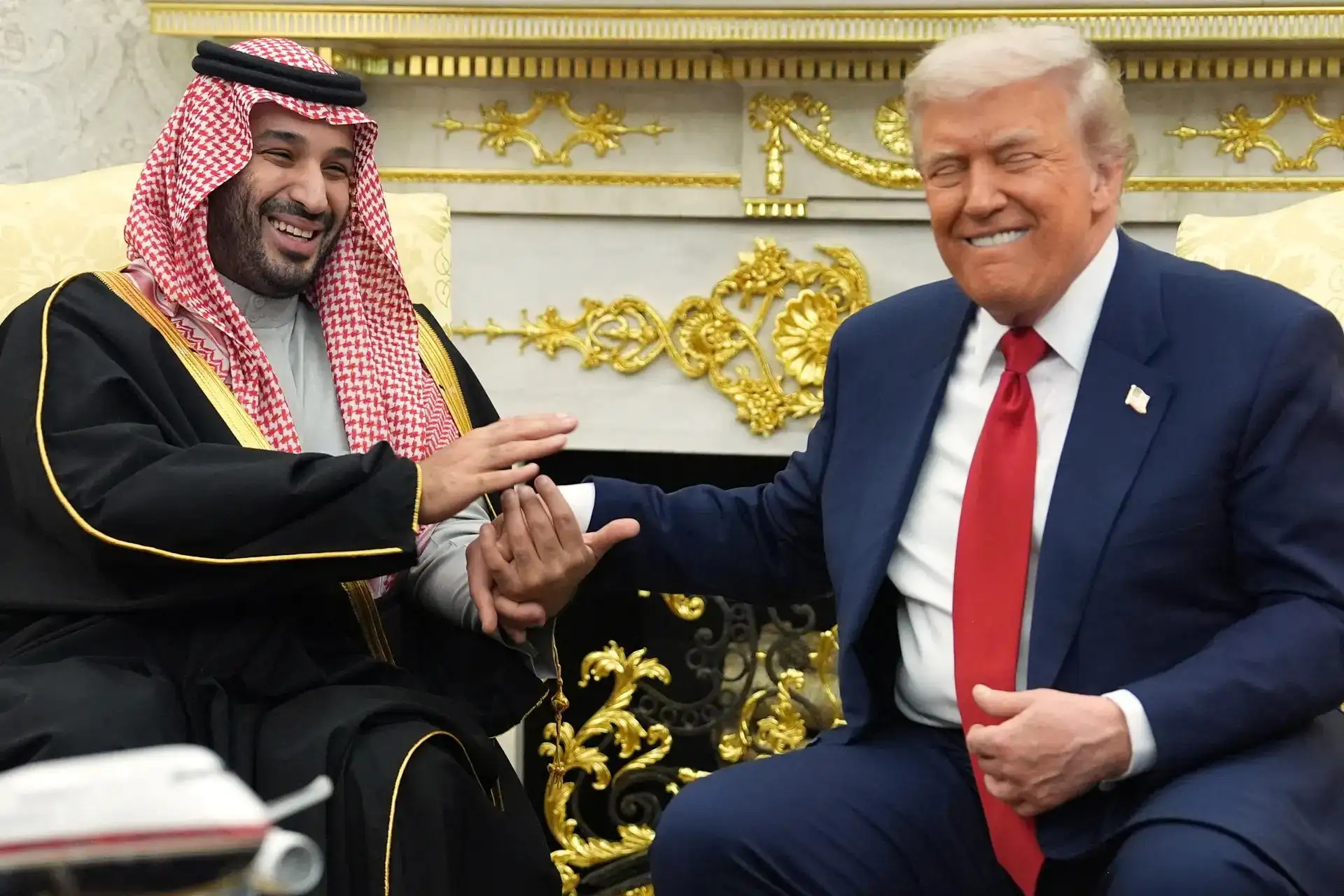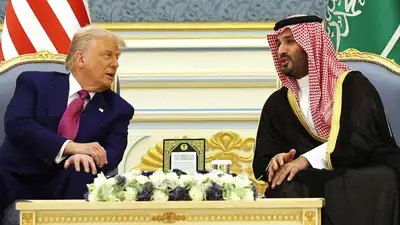
US President Donald Trump met with Saudi Crown Prince Mohammed bin Salman on May 13, 2025, in Riyadh, Saudi Arabia. The meeting took place during a ceremonial coffee gathering at the Saudi Royal Court. This visit marks a significant diplomatic engagement between the United States and Saudi Arabia, highlighting ongoing discussions about bilateral relations and regional security issues.
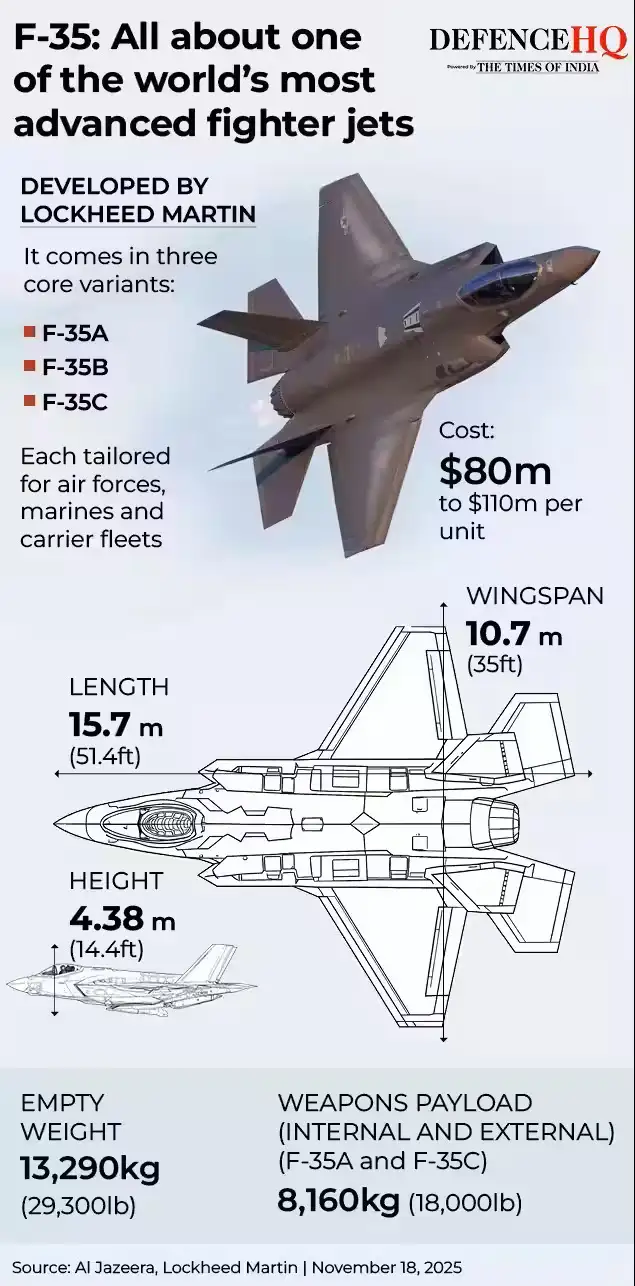
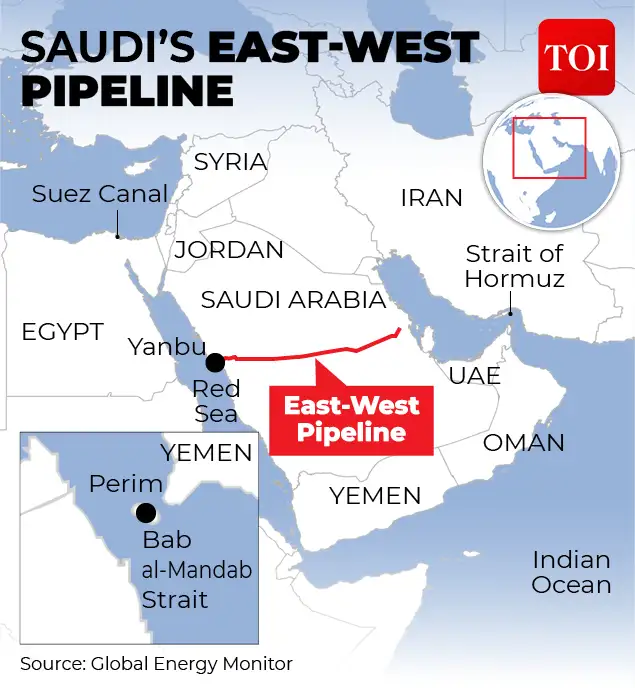
Trump’s decision to approve the $24.3 billion sale of F-35s to the Saudis, when the Kingdom is being bogged down by the Iran-backed Houthis, appears to be the latest turn of the spade. Under the deal, the state department has notified Congress of a possible sale of 48 jets, with engines and support, which would make Saudi Arabia the second country in the Middle East to fly the aircraft after Israel. Israel bought 50 F-35s in two rounds, in 2016 and 2017, although several reports suggest two have yet to arrive. That leaves 48 on the ground, the same number Riyadh has requested. However, Israel will not stay level for long, since its defence ministry plans 25 more jets from 2028 and has announced a further squadron of unspecified size. The strongest objection in Washington concerns Beijing, with a defense intelligence agency assessment, issued months ago, questioning whether American and Saudi personnel could secure the sites that would hold F-35 technology. There is also a precedent when Trump announced an F-35 sale to the United Arab Emirates (UAE) in 2020, and the Biden administration ended the process over similar worries about Abu Dhabi’s links with China. The 2003 invasion of Iraq, launched with great confidence in what military force could achieve, ended in a costly occupation and shook the regional order, though that order eventually reassembled. In 2011, the fall of Egypt’s Hosni Mubarak convinced Arab autocrats they could not count on Washington to save them from domestic upheaval. Doubts about deterrence against Iran grew denser after Washington did not respond to a 2019 attack on Saudi oil refineries attributed to Iran, and Houthi drone strikes on the UAE in 2022 deepened the unease. The 2026 war with Iran did the most damage as Gulf leaders were seemingly angry that the United States and Israel launched it without consulting them, in the middle of Omani-brokered talks with Tehran. Yes, Saudi Arabia restarted operations at its East-West oil pipeline on September 22, 2026, after a temporary shutdown caused by drone strikes. That makes the F-35 deal look less like a favour and more like a transaction, which Trump has ensured with all his key allies, even Europe. This matters a great deal for the F-35 question.
The anxiety is therefore about something less measurable. The country due to receive the aircraft that anchors Israel’s air power has been organising against an alignment that includes Israel.
Production and delivery would take years, but the political signal is immediate, with some Israeli officials raising concerns that the deal could erode their country’s “qualitative military edge” — a standard that American policymakers have sought to protect since the 1973 war and that Congress has mandated. When Donald Trump first confirmed he was considering the sale last November, Israeli officials told Axios they did not oppose it as such, but wanted it “to be subject to Saudi normalisation with Israel”. A security source told CNN at the time that Saudi Arabia acquiring “the same capabilities” was “very concerning”. Meanwhile, Washington has maintained that regional balance will hold as “the proposed sale of this equipment and support will not alter the military balance in the region”.
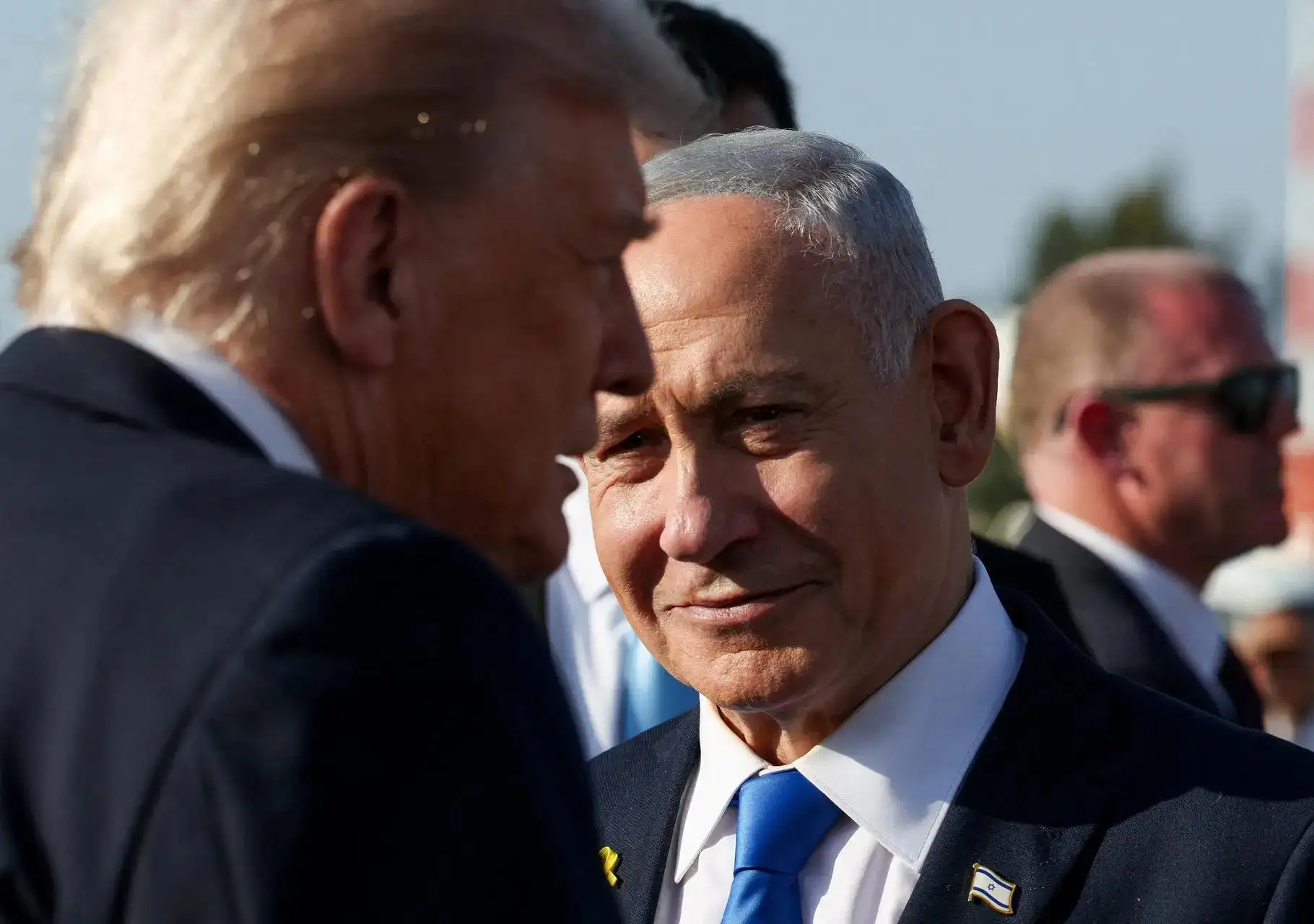
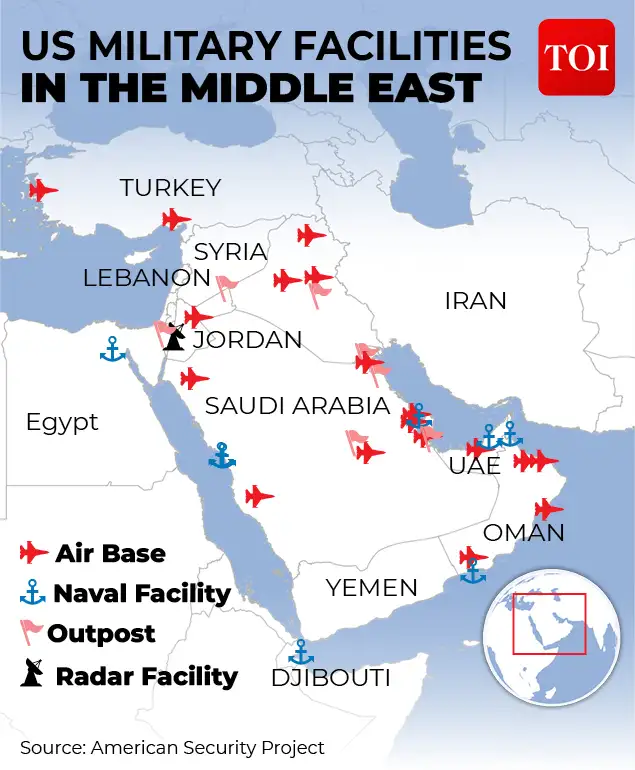
The Trump administration has agreed to put the world’s most advanced combat aircraft in Saudi hands. It comes at a time when Gulf allies are questioning whether American primacy still carries weight. And nowhere is that question more important than in the ever-conflicted region of West Asia. Washington’s approach to West Asia has long resembled digging a hole to bury sand, only to be left with a new heap of sand, creating a loop that keeps the digging going. Though it is meant to steady a Gulf partner shaken by Iranian fire and doubts about American guarantees, the aircraft deal has opened a fresh cavity for Israel, until now the only country in the region to fly the world’s most powerful combat aircraft. However, the Saudi jets will reportedly not have all the advanced features of the F-35s operated by Israel. The F-35I, also known as the Adir, a custom variant based on the Alpha, redesigned, and modified by the Israeli Defence Force (IDF). after negotiations the US defence force reluctantly gave permission for Israeli designers to make certain modifications to the F-35A design Although strictly forbidden. Prime Minister Benjamin Netanyahu, however, reportedly played down its significance of Trump’s deal with Saudi Arabia. That condition has not been met, and no such deal appears close. Prime Minister Benjamin Netanyahu, however, reportedly played down its significance. Presence of US bases across Middle East. Interestingly, whether Israel accepts that assurance will depend less on the wording than on who Riyadh chooses to stand with in the years ahead. It also flagged the access Chinese military personnel have to Saudi bases and the kingdom’s heavy use of Chinese telecommunications technology in its infrastructure and defence installations. For Israel, the risk is indirect; it’s highly unlikely that Riyadh, which is absorbing Iranian missile and drone attacks, would hand secrets to Tehran. The concern is leakage through third parties. The US intelligence agencies worry that Chinese spies could target Saudi networks, maintenance sites and personnel, a task made easier by Chinese military personnel’s access to Saudi bases and by Chinese technology in the Kingdom’s telecommunications and defence installations. Understanding why Riyadh might gradually hedge against America in the future, potentially against Israel’s interests, helps trace how American security promises have fared over the years. Several set out to contain threats themselves, often with devastating results. Iran struck every Gulf state but concentrated on Bahrain and the UAE, both Abraham Accords signatories. Missile defences stopped the worst, yet enough got through to cause real harm, and much of the network of American bases was damaged, destroyed or rendered irrelevant. Washington then failed to dislodge the Iranian regime and could not keep the Strait of Hormuz open. American strikes on Iranian water storage facilities, and Israeli strikes on oil depots, alarmed Gulf capitals that feared reprisals against their own water and nuclear sites. Even Riyadh’s long-sought nuclear agreement was left in limbo when Trump changed its terms a day after it was finalised. Moreover, Mohammed bin Salman, the Kingdom’s Crown Prince, is reportedly unhappy with Trump’s refusal to provide direct military support to Saudi Arabia in its fight against the Houthis. Particarly after the its key East-West oil pipeline was hit in the attack. Summing up that sentiment, retired US Lieutenant General Karen Gibson put it aptly: “MBS will not forget. Riyadh drew Egypt, Pakistan, Qatar and Turkey into a coalition meant to counter the American-backed Emirati-Israeli alliance.
An earlier assessment had already questioned the growing partnership, in which China sells Saudi Arabia ballistic missiles and helps it learn to build them. Before the fighting began at the end of February, Saudi Arabia had started assembling a bloc of its own.
US President Donald Trump and Saudi Crown Prince and Prime Minister Mohammed bin Salman laugh during a meeting in the Oval Office at the White House in Washington, November 18, 2025. Saudi Arabia has precedent here, having reached a rapprochement with Iran in 2023. Congress has been given 30 days to review the sale and could pass a joint resolution of disapproval, but it would need two-thirds of both chambers to survive a veto.
Arab allies who have lost faith in Washington, sooner or later, will increasingly exercise their autonomy, which could mean diplomacy with Iran and closer ties with China and Russia, whatever American officials prefer.
“It could put the crown jewels of American military technology within reach of the Chinese Communist Party,” he said. Turkey adds another layer as Netanyahu has already called President Recep Tayyip Erdogan “not exactly a model ally of the United States”, a remark he made after Trump said in July that he was weighing F-35 sales to Ankara as well. Representative Raja Krishnamoorthi, a Democrat on the House Intelligence Committee, put the fear plainly. Also, Riyadh’s rivalry with Abu Dhabi runs deep. Saudi Arabia backs the post-Assad government in Syria, while the UAE shares Israel’s hostility towards it. In Yemen, Riyadh recently drove out Emirati proxies, and it has complained that the UAE promotes secessionist movements that undermine regional stability. Also, the UAE coordinated with Israel and the United States on strikes against Iranian targets. Riyadh watches that alignment uneasily, seeing it as a threat to its own leadership. Israel thus faces advanced American jets flowing to more than one capital whose interests diverge from its own. Some Gulf states may now seek side deals with Tehran to stay off its target list. For a kingdom under Iranian fire, that is prudence rather than defection. Yet a fifth-generation fleet needs decades of spares, software and training, so it presumes a buyer whose alignment stays put. None of this points to an imminent break, and Gulf states may even deepen ties with Washington in the short term. A Saudi Arabia that talks to Tehran, buys Chinese missiles and uses Chinese telecommunications networks is a partner whose direction Israel cannot easily read. The House is in recess until November and the Senate is about to follow, so blocking the sale looks improbable. Any safeguards will have to be secured well before delivery. Saudi Arabia, under fire, remains by far the biggest buyer of American weapons, and interoperability with US and allied forces has genuine value. But the deeper question is whether an advanced weapon, under a purely transactional agreement, can secure loyalty against the backdrop of wobbling US guarantees? That, more than any tally of jets, is what perhaps unsettles Israel. You use AI every day. Now get your AI Quotient. Take the AIQ test.