Image Credit: Teri Pengilley/The Guardian
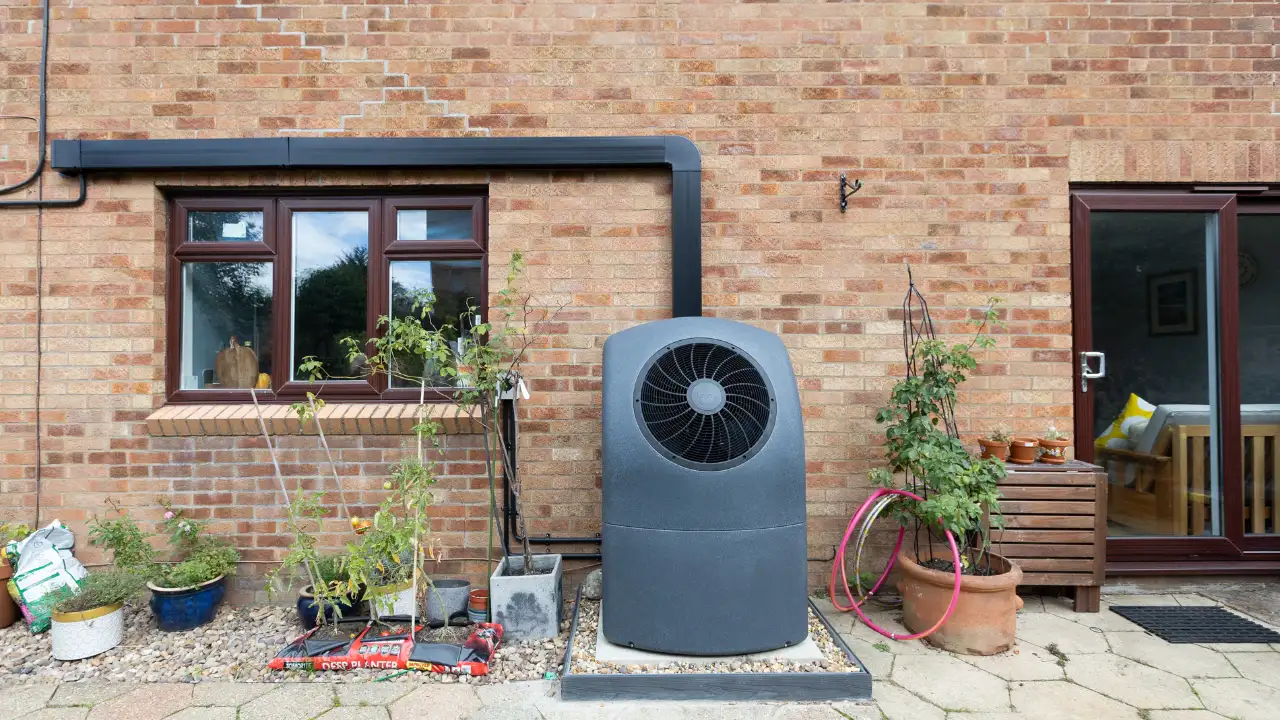
The property now has 17 solar panels, a heat pump, a large battery in the garage and four new radiators. The solar panels, heat pump and battery would have cost just under £20,000 after a government grant if the family had paid for the work itself. Because santander funded the retrofit as part of a project examining ways to improve the energy efficiency of existing homes, the technology came without an upfront cost for the Naylors.
Nigel Banks, technical director of Zero Bills at Octopus Energy, told The Guardian that properties generally need good insulation alongside solar panels, a heat pump and a battery. For Clare Naylor and her family, winter heating once meant keeping a close eye on the energy meter. The Milton Keynes household used hot-water bottles, extra blankets and jumpers to make sure its heating costs stayed within budget. That has changed after their four-bedroom detached house was fitted with solar panels, a heat pump and a large battery. The retrofit has effectively turned the property into a small power station, allowing it to generate and store electricity and send surplus power back to the grid. The family can now use Octopus Energy’s Zero Bills tariff, which guarantees no energy bills for five years as long as the household stays within its agreed fair-usage limit. The Naylors’ home in Milton Keynes was built in the 1980s, but it has recently undergone a major energy retrofit. Together, the equipment allows the house to produce electricity, store it and use it for heating and everyday household needs. Each part of the retrofit has a different role. The solar panels generate electricity, while the battery stores energy so it can be used when required. The heat pump replaces the household’s gas boiler as the main source of heating. The property also needed four new radiators as part of the upgrade. To qualify for the Zero Bills tariff, the house cannot use gas, including for cooking, so the family had its gas boiler removed. The aim is for the home to generate enough energy to cover its expected use, with additional electricity potentially sold to the grid.