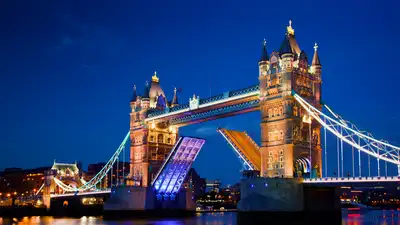
London’s famous bridge across the Thames river has suffered many travesties: it has fallen down time and time again, but still stood strong throughout.
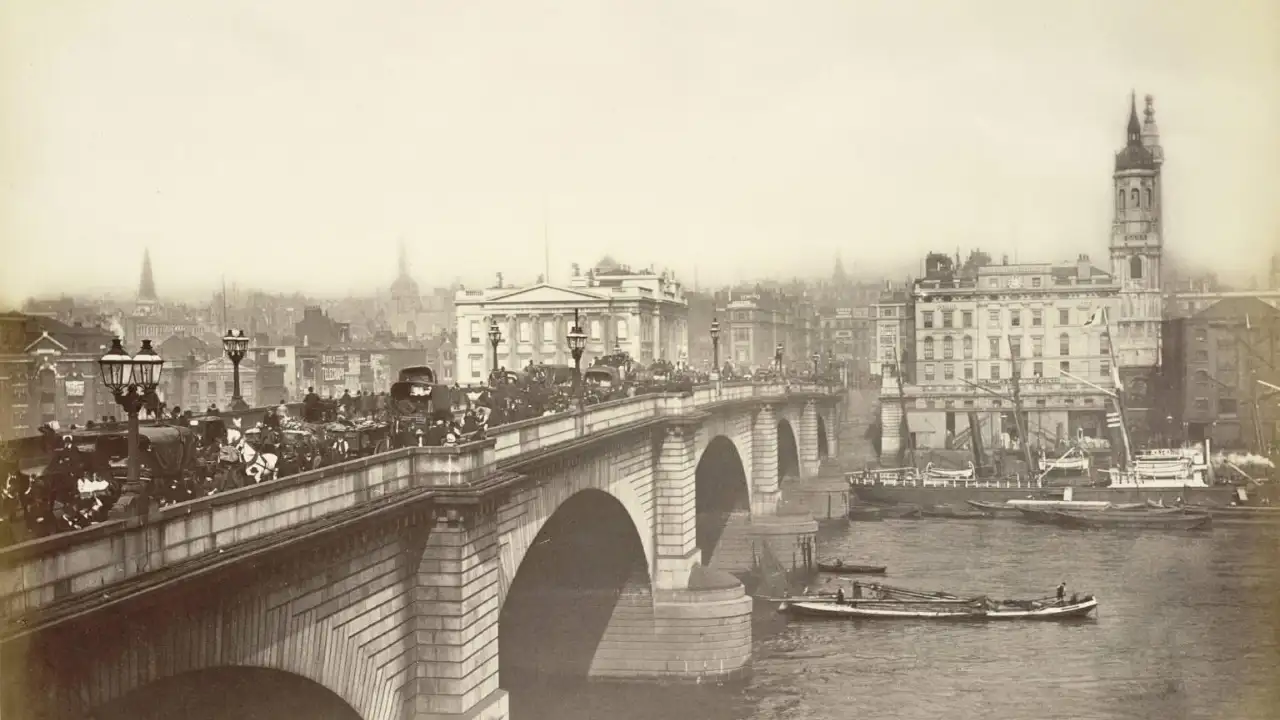
Then came the Old London Bridge, built in 1209 under the direction of Peter de Colechurch. The stone bridge was lined with houses and stood for more than 600 years, till an unfortunate fire took it out. In 1831, it was eventually replaced by the New London Bridge. Designed by Scottish engineer John Rennie the Elder, its construction began in 1824, and the bridge officially opened on August 1, 1831.
Circa AD 50-1176, several wooden iterations of the London Bridge were built again and again, only to fall due to storm, fire or ice damage. The bridge’s history has been anything but a smooth crossing.
US Midterm Election Results 2026
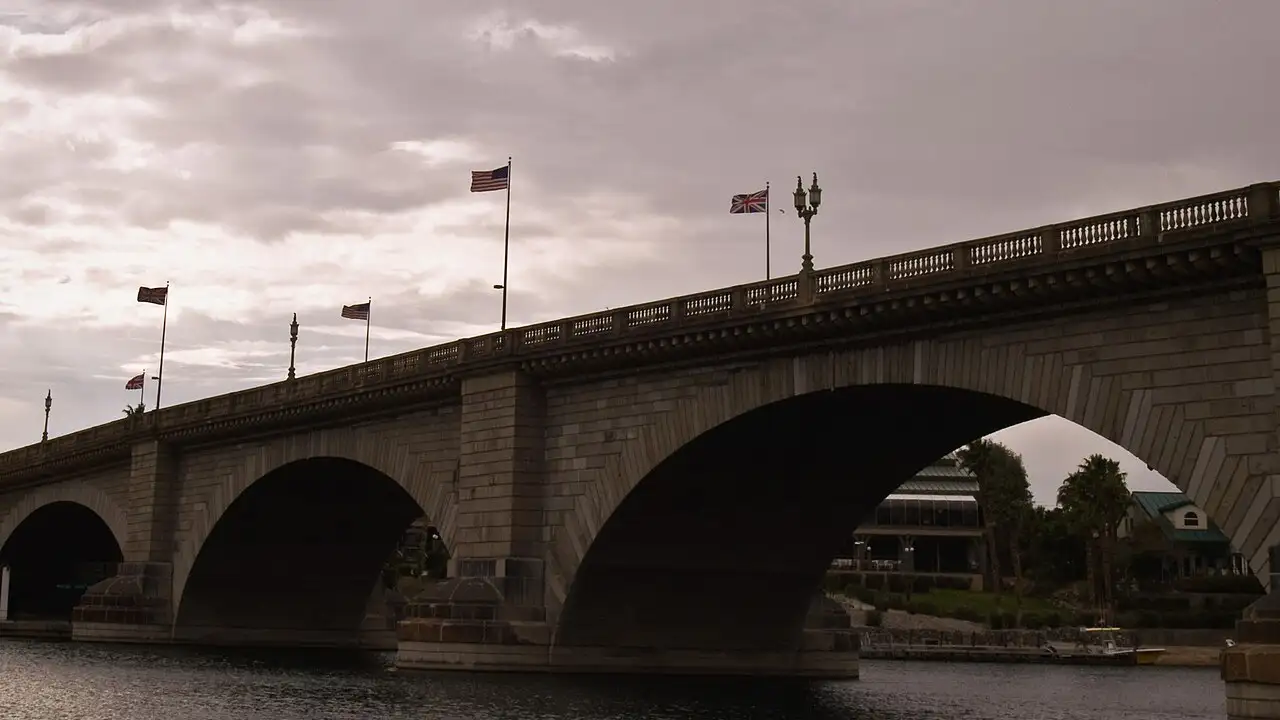
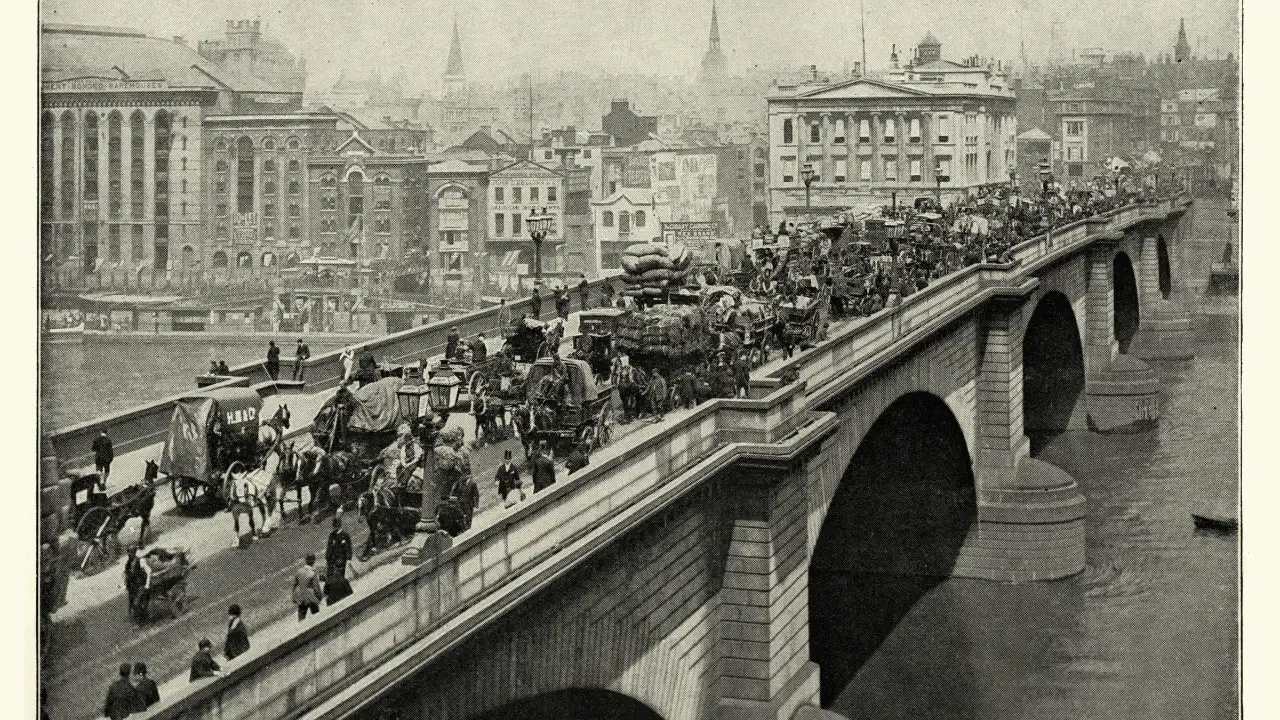
US election results: Flooding forces relocation of 21 polling sites in Florida US House election: Democrats need 3-seat gain to end Republican majority US Senate election: Can Democrats flip the Senate as Trump faces crucial test? The bridge was built from granite and was supported by nearly 2000 timber pilings, a substantial feat at the time. In 1896 the bridge was the busiest point in London, and one of its most congested; 8,000 pedestrians and 900 vehicles crossed every hour. The 1,000-foot span had stood for over 130 years and survived strafing during World War II’s London Blitz, but it was unequipped for modern traffic and was slowly sinking into the River Thames at a rate of one inch every 8 years. A new concrete-and-steel bridge was subsequently constructed between 1967 and 1972, opening in March 1973. In 1968, he travelled to America to market it as a historic monument rather than simply an outdated piece of infrastructure. After arriving in America, Luckin promoted it as a timeless landmark, an heir to 2,000 years of history going back to the 1st century A.D., to the time of the Roman Londinium. Image Credits: WikiMedia Commons Robert Paxton McCulloch was already a multi-millionaire by the time he turned 18. But inheriting part of his grandfather’s fortune in 1925 didn’t blunt his ambition or work ethic. Negotiations for the purchase proceeded rapidly during the spring of 1968. Finally, after learning that dismantling the bridge would cost London $1.2 million, McCulloch and Wood decided to offer double that amount. As a sweetener, McCulloch tacked on an additional $60,000: $1,000 for each year old he would be when the bridge reopened at Lake Havasu. In April 1968, for a final price of $2,460,000, Robert McCulloch became the proud owner of the world’s largest antique. Before dismantling, its 10,276 exterior granite blocks were numbered to make reconstruction possible.
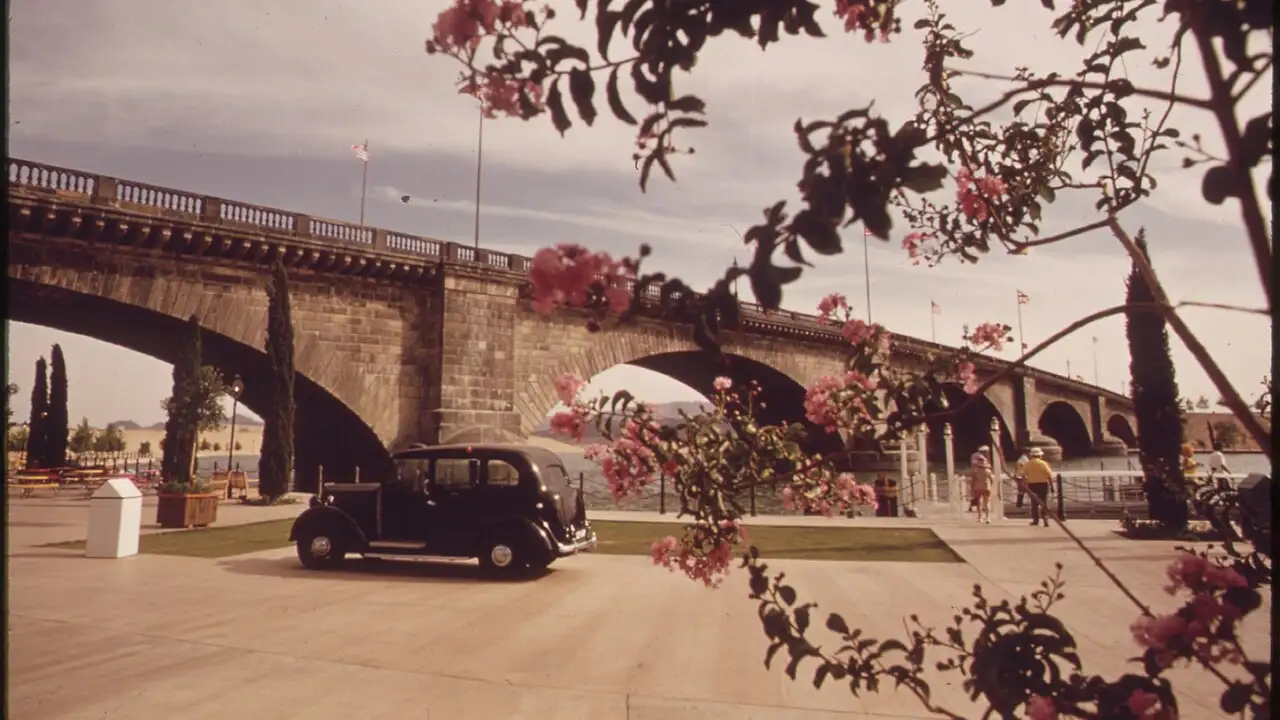
Wood told him about London Bridge, the two concluded that it was just the kind of eye-catching centerpiece Lake Havasu needed. The most difficult part was hashing out a sales price with the City of London authorities, according to McCulloch. Image Credits: WikiMedia Commons But, the automobile finally caught up with the London Bridge. A bridge built for horse-drawn carriages was now expected to accommodate the motor age. Renovations were deemed impractical, so the City of London resolved to build a wider, more car-friendly replacement. With a replacement underway, the City of London had to decide what to do with the old granite bridge. Instead of sending the entire structure to the scrapyard, an unconventional suggestion emerged: why not sell it? City councillor Ivan Luckin was instrumental in convincing his colleagues that the bridge could find a buyer in the United States. One city’s infrastructure problem was about to become another city’s biggest selling point. His pitch rested on the fact that London had been home to a river crossing at the site since Roman times. Image Credits: WikiMedia Commons The London Bridge sales pitch raised more than a few eyebrows in the United States, but for one businessman, it seemed like a natural fit. Robert McCulloch was a Missouri-born industrialist who had made millions heading up companies that sold oil, motors and chainsaws. Shamelessly eccentric, the tycoon also had a penchant for pursuing pie-in-the-sky business schemes. Driven by a compulsion to invent, after graduating from Stanford University he started a company that created supercharged car engines. When his business associate C.V. McCulloch even hatched a plan to carve one of the lake’s peninsulas into an island so the bridge would have something to span. Image Credits: RR Auction Thus, began the journey of solving the world’s biggest jigsaw puzzle. The original granite structure was taken apart piece by piece. The markings were not random. Each stone received a four-number identification system. The first number indicated the arch span to which it belonged, the second identified its row, and the final two specified its position within that row. This meant that workers in Arizona could identify precisely where each individual piece belonged when putting the bridge back together.
In fact, visitors can still spot some of these markings on the granite today.
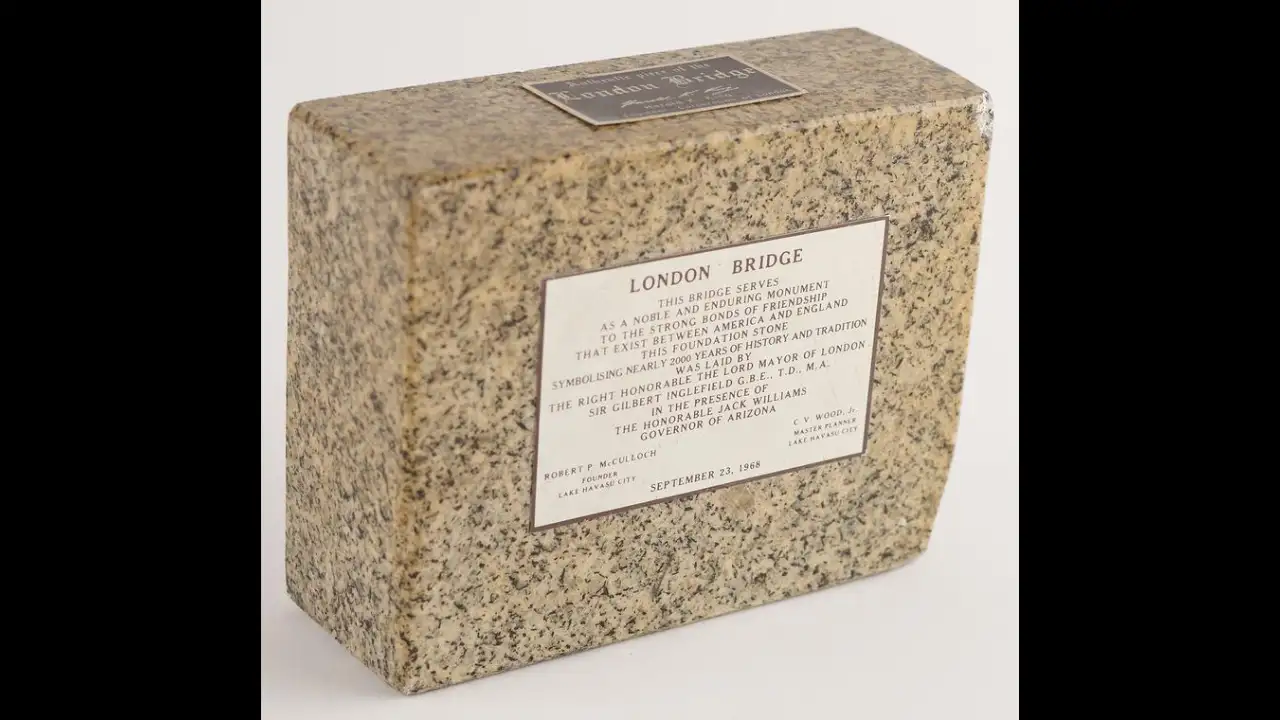
The first truckload arrived on 9 July 1968. A crew of approximately 40 workers undertook the reassembly over the next 3 years. The shipping, assembly and excavation of the channel reportedly cost approximately $7 million, over and above the purchase price.
As the hit song by Bread put it back in 1969, “London bridge is finally fallin’ down, They packed it up and shipped it outta town”. Across the ocean, the stones went on a little cruise vacation of their own. They were packed and shipped by sea through the Panama Canal to Long Beach, California. From there, trucks transported them across the American desert to Lake Havasu City. The reconstruction was supervised by architect Robert Beresford, who worked with copies of Rennie’s original plans. Image Credits: WikiMedia Commons But, how could this bridge now carry the load of Arizonian traffic? Here is where the engineers showed off their cleverness. The original bridge was not simply rebuilt as a solid structure of granite. Workers constructed a hollow core of steel-reinforced concrete and used the original granite as its exterior facing. This made the reconstructed bridge lighter and stronger, allowing it to accommodate modern vehicular traffic. McCulloch also needed the bridge to span water in its new home. The structure was reconstructed across a peninsula, after which workers excavated a channel through the land and allowed water to flow beneath it. This turned the peninsula into an island and gave the bridge an actual crossing to perform. A bridge that had spent over a century in London was now getting an entirely new lease of life in the desert. It was quite possibly the most expensive jigsaw puzzle ever assembled. The sweet Brit found itself a new home in the sun-soaked Arizona desert, trading the chilly waters of the Thames for the warmer shores of Lake Havasu. One can only hope it has adjusted to the change in weather. Even decades later now, visitors can still spot some of those markings of the original numbering on the historic structure. This is one fall people are surprisingly happy about. You use AI every day. Now get your AI Quotient. Take the AIQ test.