Long Lost Bronze Age Settlement revealed at Erskine. Image Credit: GUARD Archaeology
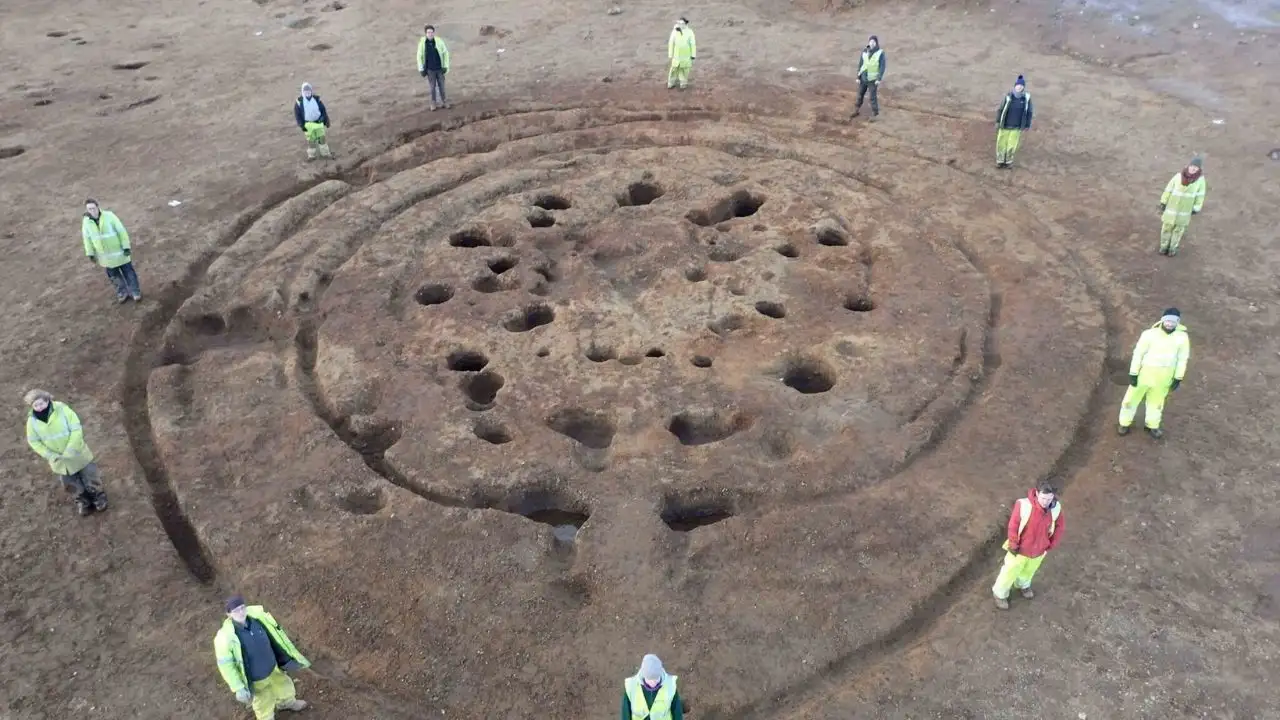
More than 3,000 years ago, a community lived, worked and raised families on land that is now being transformed into a modern Scottish suburb. Archaeologists excavating at Northbar, on the south-eastern outskirts of Erskine in Renfrewshire, discovered the remains of 12 Bronze Age roundhouses dating between 1500 and 1100 BC. The settlement contained evidence of farming, animal keeping, pottery production and weaving, and nearby graves revealed that the site had been used for burial centuries before the houses appeared. As reported by GUARD Archaeology, the archaeological work is now complete.
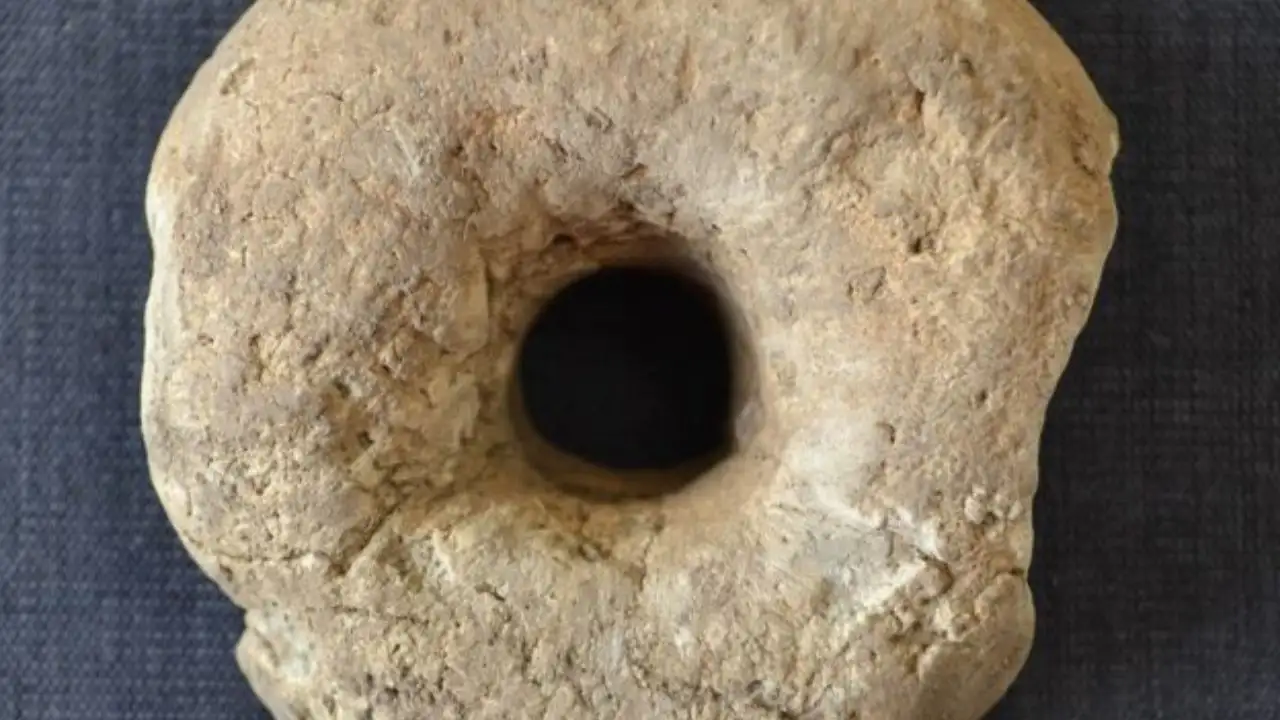
The excavation also uncovered charred crops, animal bones and large quantities of hazelnut shells, hinting at concerns over food shortages. its remains provide a detailed glimpse into everyday life, work and hardship in Bronze Age Scotland Although the settlement eventually disappeared without obvious destruction. The discovery of large quantities of hazelnut shells adds another dimension to the story. GUARD Archaeology suggests that the nuts may have been collected and stored during autumn as a reserve food supply for the winter. Such preparation could have become particularly important if the grain harvest failed. The archaeologists point to evidence of famine and catastrophe at other Bronze Age communities in south-west Scotland, suggesting that the threat of food shortages was a genuine concern for people living at the time. The settlement was not simply a farming community. Archaeologists found evidence that people produced some of the everyday objects they needed themselves. Several kiln pits were discovered inside one of the roundhouses. GUARD Archaeology describes these as rare evidence for pottery manufacture during this period. The kilns indicate that people at Northbar were making ceramic vessels, which could then be used for cooking and storing food. The discovery of numerous ‘clay loom weights’ provides evidence of weaving. Loom weights were used to keep the threads of a vertical loom under tension. Their presence at Northbar suggests that wool was being turned into cloth, probably for clothing and other household purposes. Together, they show a community capable of producing basic necessities rather than relying entirely on goods brought in from elsewhere. GUARD Archaeology notes that Bronze Age communities were connected to one another, but the evidence from Northbar demonstrates a considerable degree of self-sufficiency. The remains reveal people farming wheat and barley, keeping animals, gathering wild food, making pottery and weaving wool. The evidence of hazelnut storage hints at people preparing for difficult times perhaps. Food shortages could threaten a household, so gathering and storing wild resources may have been one way to prepare for an uncertain winter. The artefacts will enter the Scottish Treasure Trove system and be allocated to an appropriate museum. Underneath a modern suburb, the excavation has preserved the traces of a community that lived, worked, worried about food and buried its dead more than three millennia ago.
The Northbar excavation offers a remarkably human picture of a community that existed thousands of years before the modern houses being built there. The graves show that the landscape had also been used by earlier generations for burial.