
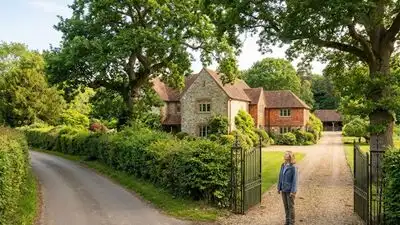
PC: AI Generated
The claim arose after Lindsay was excluded from the property on 28 April 2023. Moonhills was purchased in 1984. Judith lived at Moonhills from 1984 to 1995. The judge examined the circumstances of the 1984 purchase, the family’s use of Moonhills and later family documents. Later emails and statements were considered, including statements Jim signed in May 2023. The judge found that Jim’s 25 May 2023 statement was contradictory and not sufficiently precise to amount to a declaration of trust in favour of the children. Jim’s intentions and motivations in 1984 were complex, but the evidence showed that he wanted to buy a home for Judith that could also be used by the family, according to the High Court. The judge found that Jim did not want to be the legal or beneficial owner of Moonhills and that his dealings with tax advisers from 2004 onwards consistently treated the property as Judith’s.
Judith was therefore entitled to a declaration that she was its sole beneficial owner.
The court found that Moonhills had been purchased for Judith to own absolutely and declared her its sole beneficial owner, according to the England and Wales High Court (Chancery Division) decisions. Two half-siblings disputed the beneficial ownership of Moonhills, a country home in Beaulieu, Hampshire, after their father paid for its purchase and registered it in one daughter’s name. Lindsay Bisiker claimed that Judith held the property on trust for their father or the family. Judith denied the claim and maintained that she owned the house outright. Jim Bisiker, Lindsay and Judith’s father, paid the purchase price and associated costs. The property is in Moonhills Lane, Beaulieu, Hampshire, and is registered at HM Land Registry in Judith’s name. Jim also paid for renovations, running costs and the construction of an annexe, new stables and a tennis court. Jim and his wife Brenda used it as a holiday home, particularly during the summer, while other family members visited from time to time. The judgment recorded that Jim wanted a holiday home in England and also wanted to provide Judith with a home. He was concerned about his tax position and did not want to own property in the United Kingdom, either legally or beneficially. The court found that Jim trusted Judith and had decided not to make a declaration of trust. It concluded that Moonhills had been purchased for Judith to hold absolutely. Disclaimer: This article is based on the judgment delivered by the England and Wales High Court (Chancery Division). The Times of India has not independently verified the details of the property, the family’s financial arrangements or the claims made by the parties beyond the information recorded in the court judgment.