

A man in Swansea, Wales, has been arrested 12 times after repeatedly standing in the middle of the same road and blocking traffic, but he has never publicly explained why he keeps doing it.
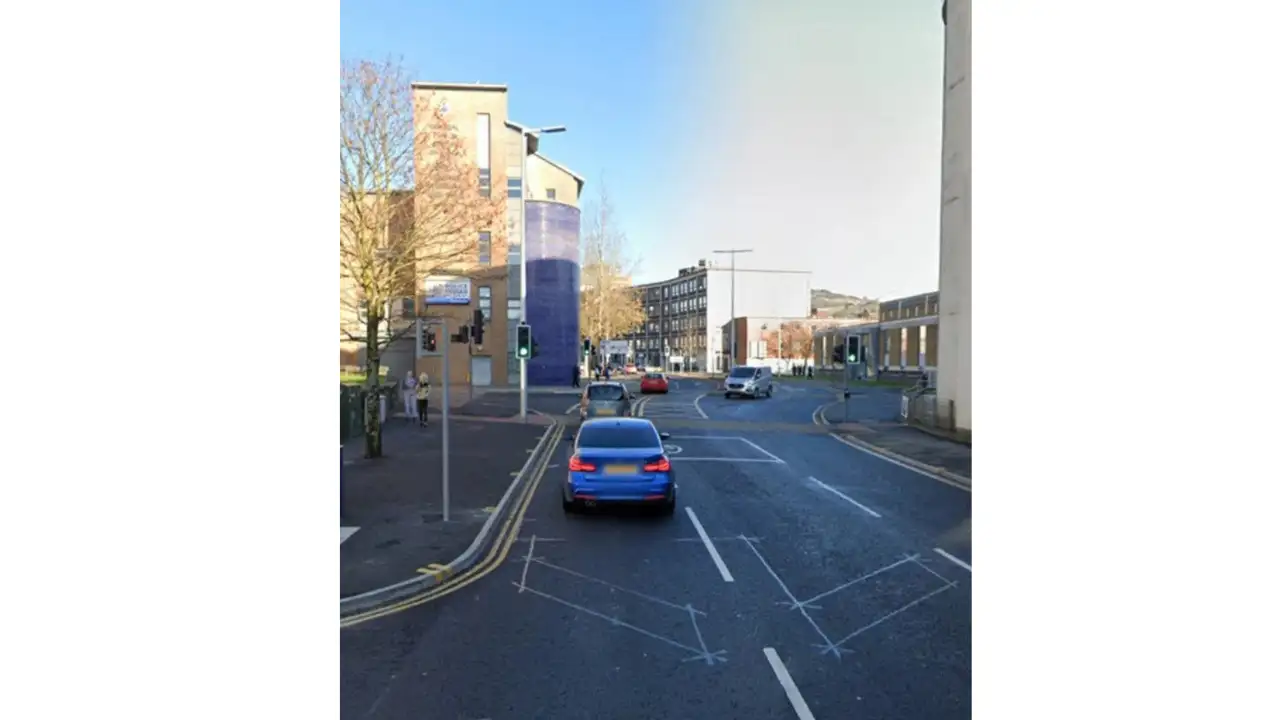
David Hampson, who has become known as the “Silent Man”, began the unusual pattern in 2014 and has repeatedly returned to De La Beche Street, near Swansea Central police station. His encounters with authorities have gone far beyond simple arrests. Hampson has refused to speak to police officers, lawyers, judges, doctors and probation staff, even during criminal proceedings that have resulted in prison sentences. His silence has also led courts to examine whether he was unable to speak or was deliberately choosing not to.
He was subsequently convicted of breaching it in 2016 and 2017, according to reports of his court history. In 2018, he was convicted again and received a 42-month prison sentence. In 2023, he again returned to De La Beche Street and was arrested after obstructing traffic. In 2025, Hampson was reported to have been arrested again after standing in the road outside Swansea Central police station.
In December that year, he was convicted of two counts of obstructing the highway and received another six-month prison sentence, according to reports of the case. The order did not stop him. The location has remained remarkably consistent. Hampson has repeatedly chosen the area around the junction of De La Beche Street and Mount Pleasant, close to Swansea Central police station, where officers have had to deal with him standing in the road and disrupting traffic. Reports in August described that arrest as his 12th. The repeated incidents had by then stretched across more than a decade, despite criminal convictions, court orders and multiple periods in prison. Court reporting described an incident in which Hampson stood in the middle of De La Beche Street and blocked traffic before being arrested. He again refused to engage with police or court officials. A not-guilty plea was entered on his behalf, and he was subsequently convicted following proceedings.
His silence became part of the legal case
When he did not enter a plea, a not-guilty plea was recorded on his behalf so that proceedings could continue. During police encounters and court proceedings, he repeatedly declined to answer questions. He also refused to enter pleas or give evidence in his own defence. What the court did establish in the later proceedings was that his silence was deliberate. Prison officers’ evidence that they had heard him speak was an important part of the case.