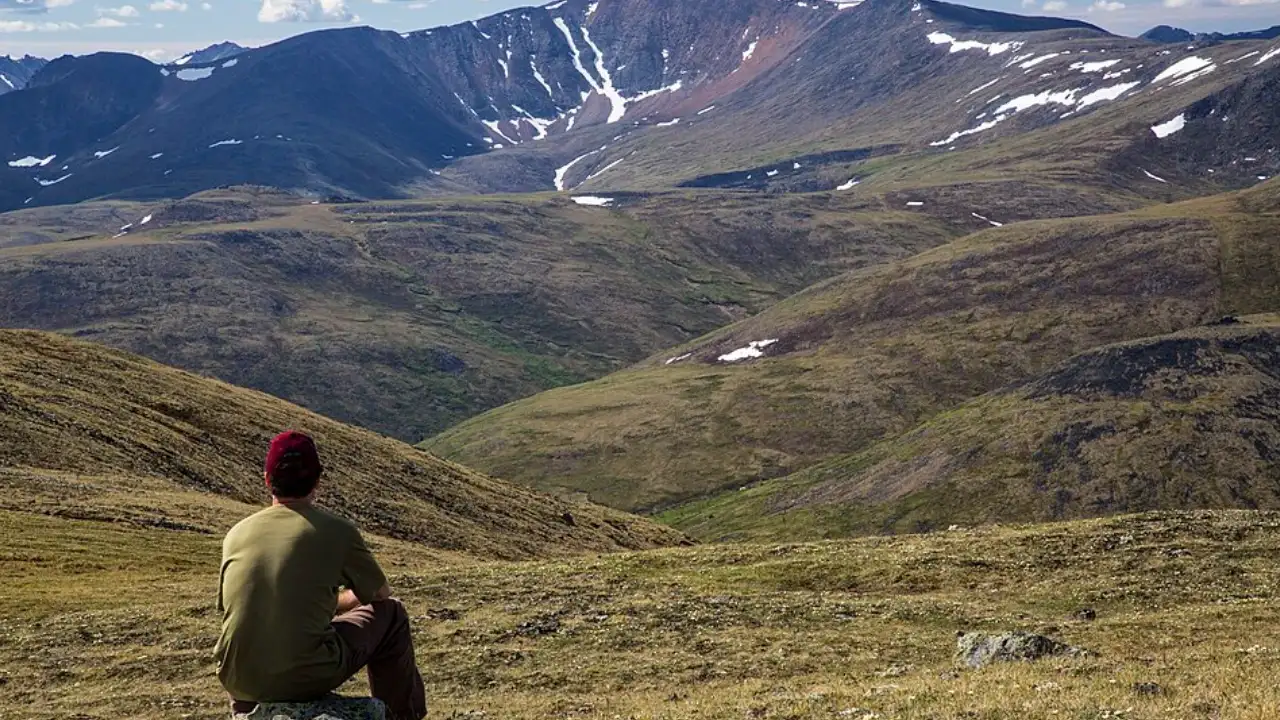
2 December 1980, US President Jimmy Carter signed the Alaska National Interest Lands Conservation Act (ANILCA), placing more than 104 million acres of federal land under new or expanded conservation designations. Image Credits: Wikimedia Commons.
In the final weeks of 1980, one of the most significant conservation decisions in US history was taking shape in Alaska. On 2 December 1980, US President Jimmy Carter signed the Alaska National Interest Lands Conservation Act (ANILCA), placing more than 104 million acres of federal land under new or expanded conservation designations, according to the National Park Service . Nearly 57 million acres were designated as wilderness, almost tripling the size of the US National Wilderness Preservation System at the time. When Alaska became the 49th state in 1959, disputes over land ownership intensified. The Alaska Native Claims Settlement Act of 1971 included a provision allowing up to 80 million acres of public land to be withdrawn for conservation. In 1978, after the legislation stalled, Carter used the Antiquities Act to proclaim 17 national monuments covering more than 56 million acres in Alaska. The National Park Service also notes that the act created or expanded 13 national parks, 16 wildlife refuges, two national forests, two national monuments, two conservation areas and 26 wild and scenic rivers. More than 104 million acres of land came under these conservation designations. ANILCA added 43.6 million acres to the national park system by creating 10 new parks and expanding existing ones. Elias, which Carter had designated as a national monument in 1978 and which ANILCA later turned into a national park and preserve. It now covers approximately 13.2 million acres, making it one of the largest units in the US national park system. More than 57 million acres were designated as wilderness, the highest level of federal protection. More than 40 years later, the law’s importance is reflected in the vast amount of Alaska that remains protected within federal landscapes.
Because alaska had to balance conservation with access to natural resources, the move was controversial. When Carter signed ANILCA, it added an extensive system of protected lands.
The National Park Service says the law had even broader significance. According to the U.S. Carter said the act was the result of years of political struggle over Alaska’s future. The National Park Service says Carter described the debate as one that involved both conservation concerns and the interests of Alaska’s residents and workers.
The move would place vast areas of the state under federal protection, preserving landscapes ranging from forests and rivers to glaciers, mountains and wildlife habitat. The legislation also created or expanded national parks, national wildlife refuges, conservation areas and wild and scenic rivers across Alaska. It was the culmination of years of debate. Lawmakers struggled to reach consensus on the legislation. The move gave those lands temporary protection during the political dispute. The legislation did not completely prohibit development. ANILCA created different land classifications and protections. One affected area was Wrangell-St. ANILCA also created or expanded areas such as Lake Clark, Gates of the Arctic, Kobuk Valley and Yukon-Charley Rivers. The wilderness designation was one of the act’s most significant provisions. Department of the Interior , ANILCA recognised the importance of subsistence activities, including hunting, fishing and trapping, to rural communities in Alaska. Federal subsistence rules give rural Alaskans priority access to fish and wildlife on federal public lands. The law also included special provisions allowing forms of access and transportation that are usually restricted in wilderness areas elsewhere in the United States. These provisions reflected the realities of remote Alaska, where communities and traditional activities often depend on aircraft, boats, snowmachines and other transport. ANILCA did not eliminate all development opportunities, and disputes over Alaska’s public lands continued. Instead, it established a lasting framework for conservation in Alaska.