AI Generated
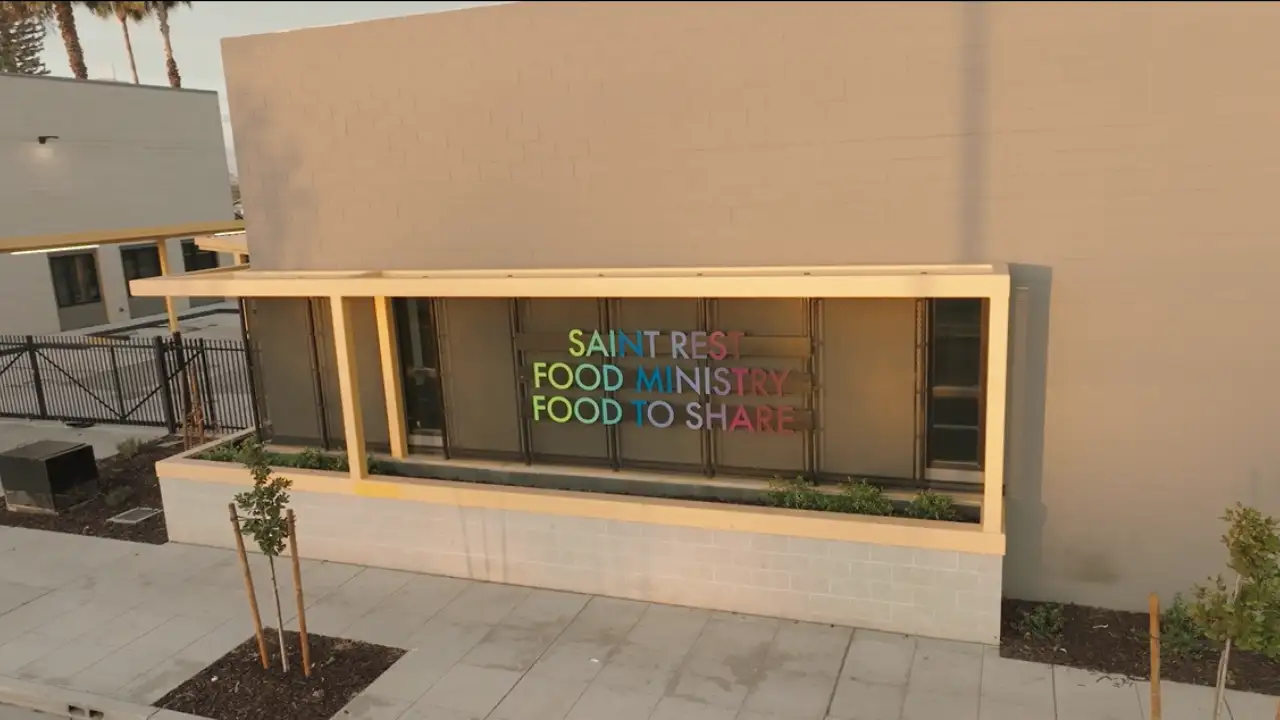
In May 2024, the former warehouse reopened as the Saint Rest + Food to Share Hub, a 6,800-square-foot centre for food distribution, nutrition education and community activities. The project cost approximately $6.27 million and helped create 51 jobs. As reported by EPA, The US Department of Housing and Urban Development provided $665,000 in Earmark Funding, while two California Transformative Climate Communities grants contributed a combined $1,383,787. The City of Fresno also allocated $429,420 in American Rescue Plan Act funds. Private and philanthropic support formed another substantial part of the funding package: Kaiser Permanente contributed $1 million, while Tarlton and Son, Inc. provided $527,394. Community Medical Centers contributed $365,000 and CalViva Health supplied $355,000. $250,000 came through the Central Valley Community Foundation from an anonymous donor. Other contributions included: $200,371 from Trinity Health and Saint Agnes Medical Center $175,000 from the Kresge Foundation $100,000 each from Valley Children’s Healthcare and JD Food. Fresno Metro Ministry, individual donors and local organisations also provided services, labour and gifts valued at approximately $297,000. The Saint Rest + Food to Share Hub opened in May 2024, occupying 6,800 square feet in the renovated building. The redevelopment helped create 51 jobs, one of the measurable outcomes reported for the project.
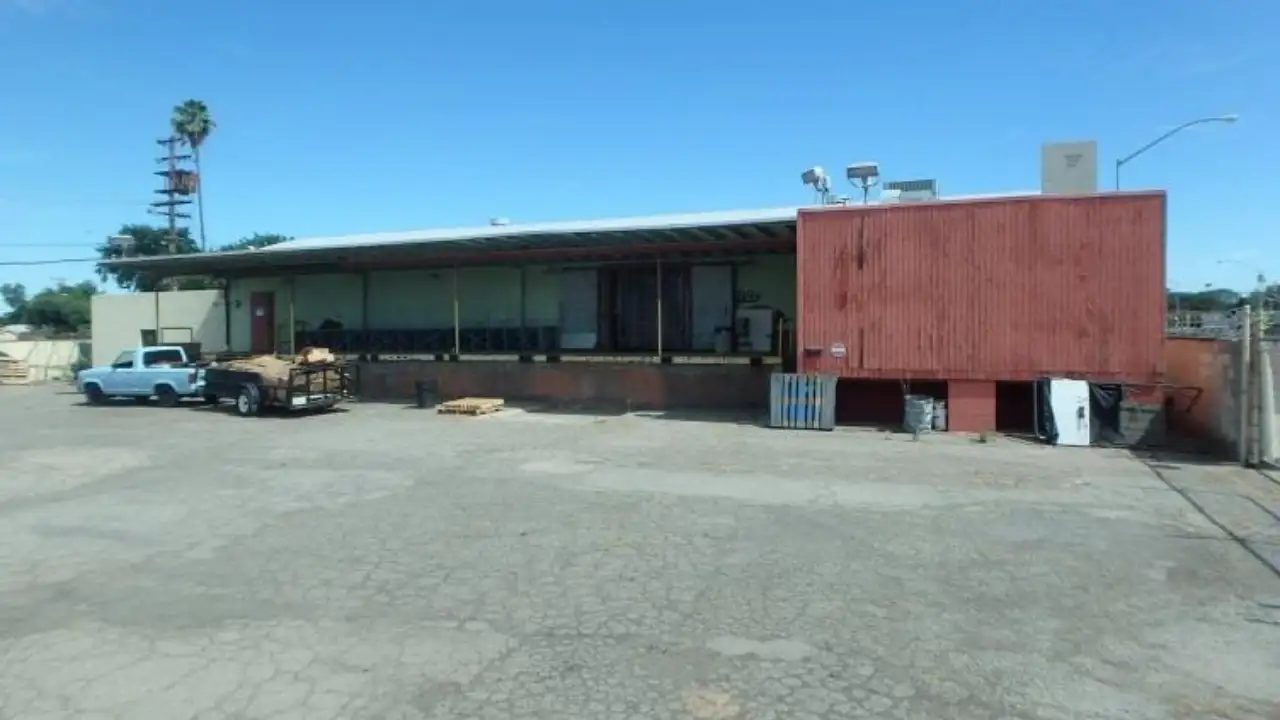
Pastor DJ Criner said, “This is about more than food. A vacant industrial building in Fresno, California, spent years with little apparent purpose beyond occupying a patch of land. It had served different businesses over its lifetime, including a bakery, a petrol station and a meatpacking operation, but its later years brought a different set of problems. Contamination and the deteriorating condition of the structure made the site difficult to reuse. Turning it into something useful required more than renovating the building. Environmental assessments, cleanup planning and a complicated funding effort had to come first. The range of contributors reflects the different demands involved in turning the property into a working community facility. Its work centres on food recovery and distribution, with activities extending into nutrition programmes, cooking classes and monthly markets. Rather than serving solely as a storage or distribution site, the centre provides a place where people can access food-related services and take part in community activities. The project was developed with Saint Rest Baptist Church involved in the wider effort. It’s about restoring dignity. The facility gives the project a physical base for that work, bringing food provision and educational activities together under one roof. Its opening marked the end of one stage of the redevelopment, but the site’s value now depends on what happens inside it. Food distribution, classes and regular markets require continued coordination and community participation. The building’s new function is tied to those ongoing activities rather than simply to the completion of the renovation. The centre also provides space for food recovery, distribution and community programming, giving the restored property a role beyond employment alone. Its activities are intended to support access to food and practical nutrition education in Fresno. The combination of services means that the building’s use is not confined to a single operation.
Its involvement included a $175,000 area-wide planning grant and $121,496 for environmental assessments and cleanup planning, according to the Environmental Protection Agency (EPA). A further $191,000 was awarded as a subgrant through the EPA’s Brownfields Revolving Loan Fund for environmental cleanup. Its 6,800 square feet accommodate food distribution, nutrition education, cooking classes and monthly markets, while the project has been credited with helping create 51 jobs. The approximately $6.27 million investment brought together funding streams that served different parts of the process, from preparing the land to establishing the finished facility.
The Fresno property had passed through several commercial uses before falling vacant. Its history as a bakery, petrol station and meatpacking plant reflected the changing nature of the site, but by the time redevelopment became a serious possibility, the building presented practical obstacles. Environmental contamination needed to be investigated, while the ageing structure required attention before it could accommodate a new use. Properties like this can remain unused even when there is interest in bringing them back into service. Potential redevelopment carries costs that go beyond ordinary construction, particularly when the extent of contamination is uncertain. Before work could begin on a community food centre, the condition of the land had to be understood and a viable plan developed for its future. The project eventually brought together public agencies, local organisations and private donors. Their contributions helped move the property from an abandoned industrial site towards a facility intended to address food access and provide space for neighbourhood programmes. PC: EPA The US Environmental Protection Agency played an important part in preparing the site for its new purpose. Through its Brownfields and Land Revitalisation Programme, the agency supported planning, community engagement and work on financing the proposed reuse. These funds addressed a different part of the challenge from the money needed to renovate and operate the finished facility. The assessments and cleanup work helped establish the conditions under which the property could be brought back into use. Planning, environmental preparation, fundraising and construction unfolded over several years. The EPA’s account of the work describes a process that took nearly a decade, illustrating how long it can take to bring a difficult former industrial property into a new role. PC: EPA The transformation depended on a mix of federal, state and local funding, alongside contributions from healthcare organisations, businesses and philanthropic donors. The Fresno project shows how the reuse of an old industrial building can require years of preparation before a new service can begin. The former meatpacking site had environmental and structural problems to resolve, and the redevelopment relied on a combination of government assistance, local funding and private contributions to move forward. With the Saint Rest + Food to Share Hub now operating, the property has a defined community purpose. You use AI every day. Now get your AI Quotient. Take the AIQ test.