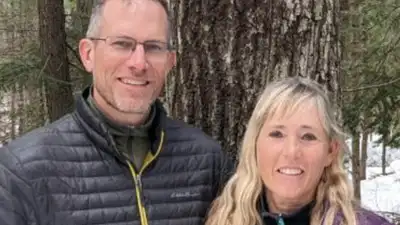
Bonk and Trowbridge had planned to conserve the property since they bought it
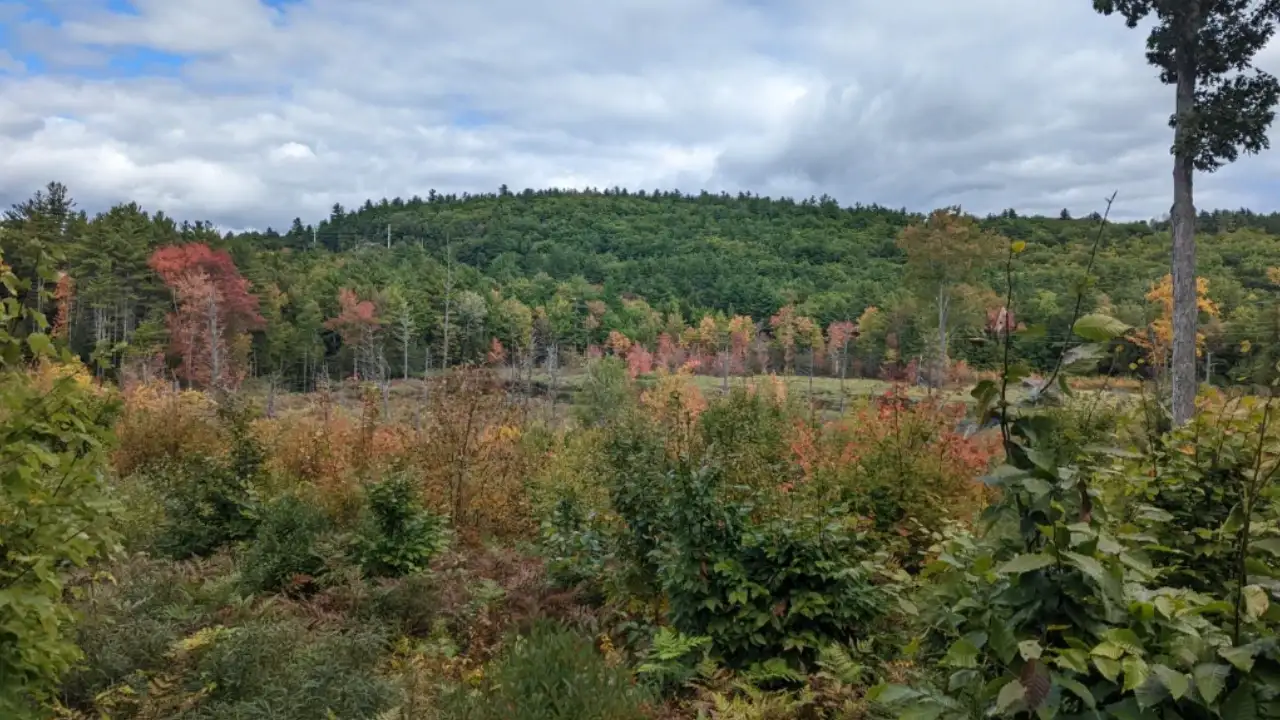
Laura Bonk and Phil Trowbridge bought 116 acres of undeveloped land in Allenstown, New Hampshire, in 1997. About 25 years later, they placed the entire property under permanent conservation protection to preserve its wetlands, forests, water resources and wildlife habitat. Because of the property’s importance to the watershed, the Merrimack Conservation Partnership awarded the project an $8,000 grant.
The couple were young scientists and outdoor enthusiasts at the time. They recognised the importance of the property, which lies along the northern boundary of Bear Brook State Park. The Bonk-Trowbridge family donated a conservation easement on the property to ensure that its conservation value would be protected permanently. However, the donation did not transfer ownership of the land. The family continues to own the property while its conservation easement protects the land’s natural features. The Society for the Protection of New Hampshire Forests helped raise funds to cover the costs of the project and the long-term care of the protected land. Individual donors from across the state provided the remaining funding. The property is part of a wider effort to protect the Merrimack River watershed. Over the past decade, conservation, advocacy and educational groups have worked together to preserve important areas across the watershed. The Forest Society and its partners have helped conserve a chain of properties, with Derevya Farms serving as one of the links.
“More than 700,000 people in Massachusetts and New Hampshire rely on the Merrimack River as the source of their drinking water and its groundwater feeds private wells throughout, so the health of the watershed has a direct impact on the quality of the water we drink,” Savage said. He also thanked Bonk and Trowbridge for their contribution and their commitment to protecting the land. Apart from its role in the watershed, Derevya Farms supports several wildlife species. The property provides habitat for moose, deer, bobcats, migratory birds and other wildlife. The conservation easement on Derevya Farms is intended to protect the property’s conservation values permanently. Such easements allow landowners to retain ownership while placing lasting protections on land with important natural, scenic, water or wildlife resources.