
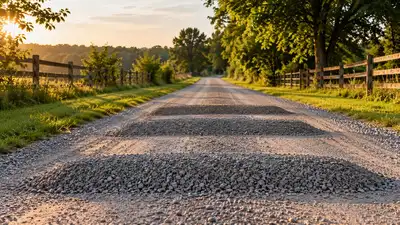
AI Representation: An Indiana court ruling allowed five gravel speed bumps on a private access road to remain in place after concerns about speeding near children and pets. Image credits: Chatgpt
Hogue, issued on October 24, 2025, which affirmed the denial of an injunction to remove five gravel speed bumps from an access easement. Since 2006, Anthony Giger and his wife have owned an adjacent property in Nineveh, Indiana, which they use for hunting and recreational purposes. This land is officially considered to be landlocked; an easement of twenty feet in width for access through roadways and utilities has been established and it runs through some of the land acquired by Joshua Hogue in 2020. The trial court opinion also noted intense animosity between the families and found that Hogue had obstructed the easement in different ways until 2022. It all started for Hogue in early 2024 when he observed the contractors on the neighboring property speeding down the road.
Hogue requested that they slow down and even put up a sign stating “slow down, children and dogs present, according to the opinion. Access easements can allow a landlocked parcel to reach a public road and are often created in deeds or other recorded instruments. The children and working dogs may use the area around the road, while those having the right to drive there could be hunters, contractors or occasional visitors. The dispute reached the Indiana Court of Appeals, which considered how far a landowner may go to slow traffic on a road subject to a neighbor’s easement. The background and legal findings come from the Indiana Court of Appeals opinion in Anthony J. Giger v. Joshua L. In its opinion in Giger v. Hogue, the Indiana Court of Appeals held that speed bumps are not automatically unlawful and that their effect on an easement holder’s rights depends on whether they materially impair or unreasonably interfere with reasonable passage. Hogue lived on the land with his wife, children and working dogs. With vehicles still moving at a rate which he considered too dangerous, he put up five speed bumps out of gravel. He presented two photographs as evidence. The first one showed the speed bumps to be about four inches high, while the other picture was taken after five months of putting up the speed bumps and indicated that they had worn down. Following the completion of the work by the contractors, Giger requested that the speed bumps be removed, but Hogue rejected that proposal. The Gigers filed a suit in Brown Circuit Court requesting a permanent injunction. At trial, Giger argued that the speed bumps made him speed up and slow down and created a rough ride, although he admitted that the speed bumps were not hindering him from traveling through the easement. Judge Mary Wertz rejected the request. Why Judge DeBoer treated speed bumps as a question of fact
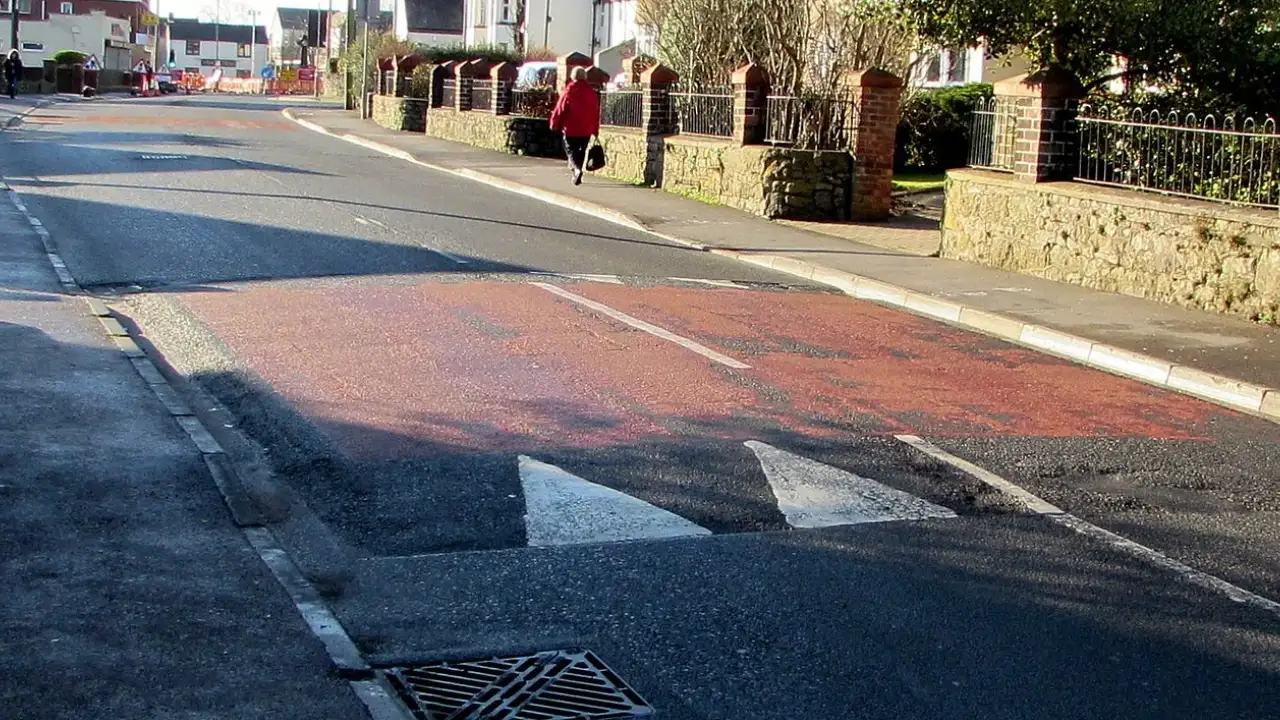
The above-mentioned study found that collision rates declined more among children than adults, with estimated reductions of 43% for children and 20% for adults. The decision turns upon the findings of fact presented in court and, most notably, the testimony that the bumps did not stop Mr. Giger from entering his land. A higher or more rigid obstacle that effectively hindered any reasonable access to the plaintiff’s land could also have been ordered to be cleared away. However, the research examined public roadways in Toronto, not the private gravel access road involved in the Indiana case.