
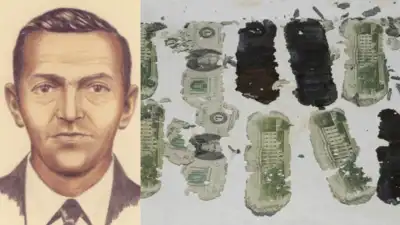
The money had been part of the $200,000 ransom paid to the hijacker known as D.B. Cooper in 1971 | Wikimedia Commons
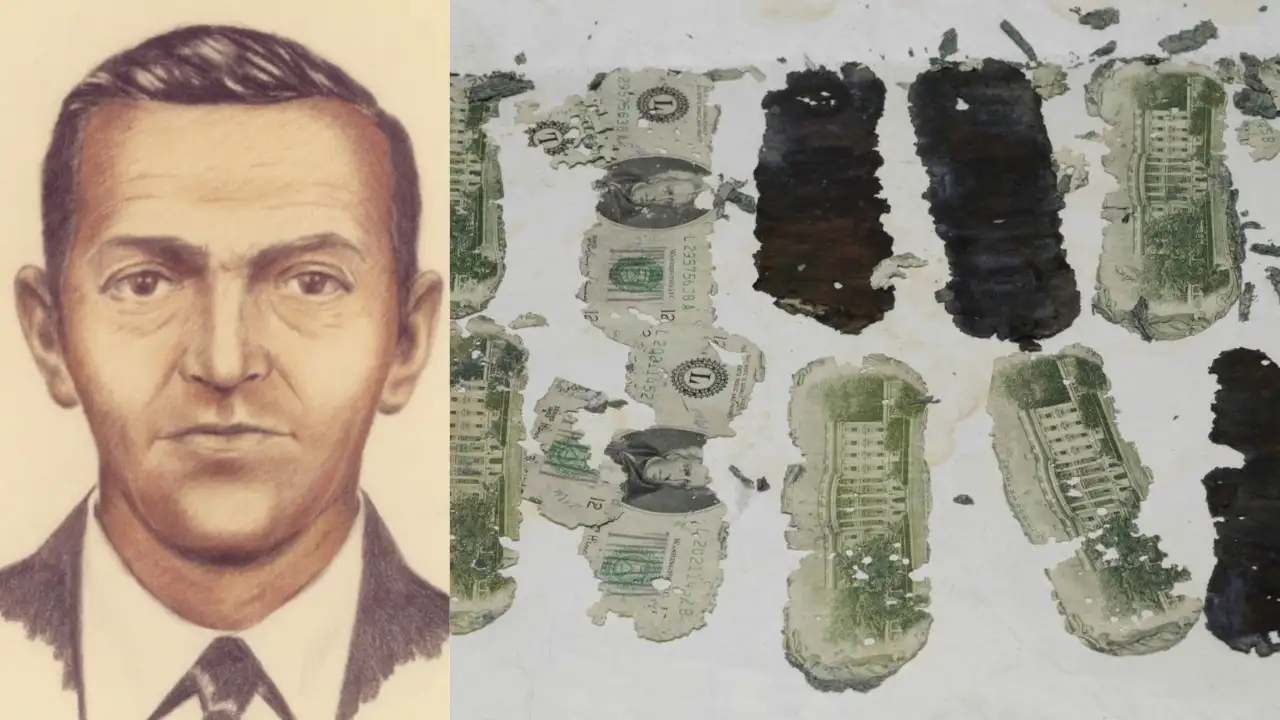
Eight-year-old Brian Ingram was raking sand for a family campfire on the Washington side of the Columbia River on February 10, 1980, when he uncovered three deteriorating packets of $20 bills. The money had been part of the $200,000 ransom paid to the hijacker known as D.B. Cooper in 1971, and the total value of the recovered bills was $5,800.Ingram was picnicking with his parents and relatives at Tena Bar in Clark County when he found the money buried several inches to several feet below the sand. In 1986, a proposed court judgment divided the proceeds between the parties, with the FBI retaining a small amount as evidence and Ingram receiving a share. The money stayed with Ingram for years, and by 2006, he was preparing to sell portions of the collection.
Some bills were black or almost unreadable, while others had deteriorated to pieces. The family initially did not know whether the money was genuine. The FBI, Ingram’s family, Northwest Orient Airlines and the airline’s insurer all had claims connected to the bills. He eventually selected PCGS Currency to authenticate the bills before an auction.
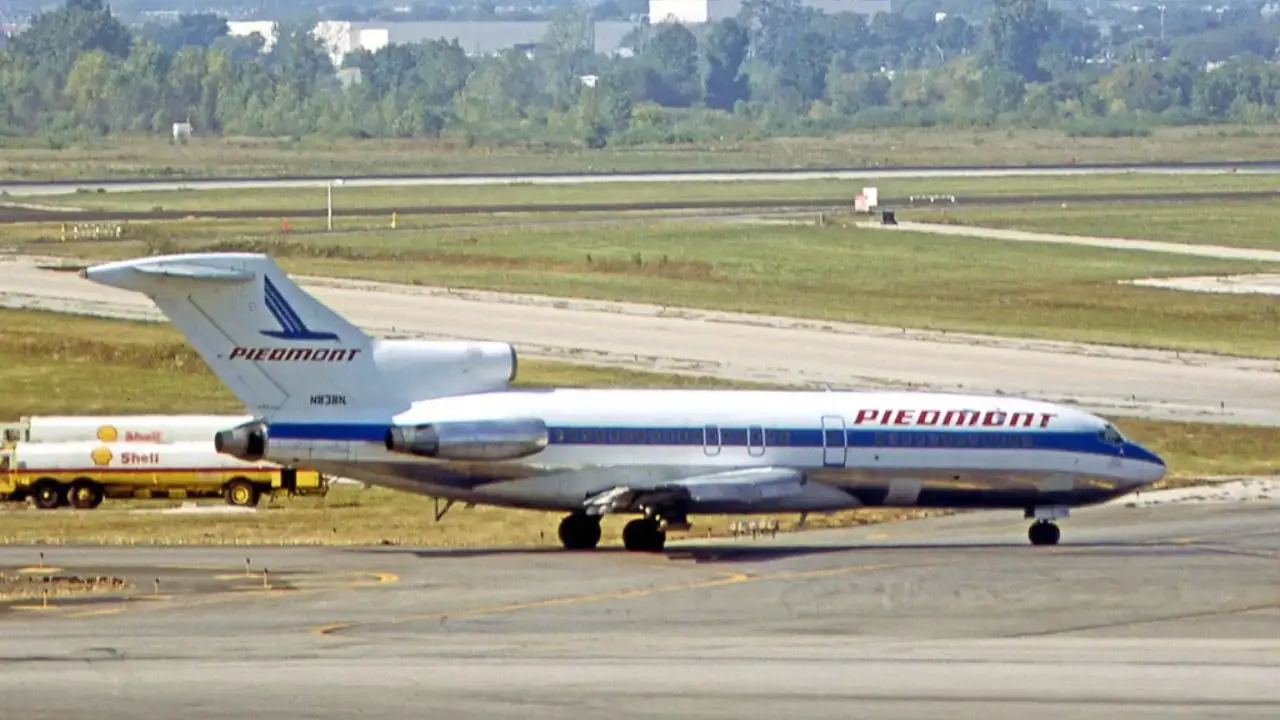
The FBI ended its active investigation in 2016 after more than four decades of searching for the hijacker, but the Columbia River money remains one of the clearest physical links to the ransom. The bills that an eight-year-old pulled from the sand in 1980 were severely damaged yet some survived long enough to become auction pieces nearly three decades later.