
PC: The Leelanau Historical Society
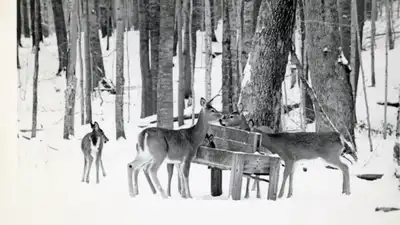
By 1937, the population had swollen to an estimated 700 animals, prompting the Manitou Island Association to organise the island’s first official deer hunt with assistance from the State of Michigan, alongside a winter supplemental feeding programme to keep the herd alive through the harsher months. By the 1950s that figure had climbed to around 1,000, and naturalists and state officials returned periodically over the following decades to count the herd and assess its condition.
“By counts in the early 1980s, there were about 2,000 deer on the island,” a scale that had visibly reshaped the landscape itself, according to the National Park Service. Unchecked breeding transformed Angell’s modest founding stock into a genuine management problem within little more than a decade. The growth did not stop there. The deer stripped the island of almost every plant they found palatable, leaving a distinctive browse line five to six feet above the ground and allowing unpalatable species such as American beech to flourish unchecked in their place, a stark contrast to the lush understorey still found on neighbouring South Manitou Island.
Negotiations between the Manitou Island Association and the US Justice Department over incorporating the island into the Sleeping Bear Dunes National Lakeshore began in 1977 and dragged on for seven contentious years, and when the Association withdrew its staff in the autumn of 1978, the supplemental feeding programme that had sustained Angell’s herd through the winters came to an abrupt end. For much of the twentieth century, the herd Angell had founded served a narrow and well-heeled clientele. Hunters were generally guests of the island’s principal owners or corporate clients drawn from firms such as Continental Motors and Shakespeare Rod and Reel, along with government contractors and, during the 1950s and 1960s, associates of the Detroit mafia. Each guest was guaranteed a deer, driven out to a guide-selected spot in the morning and returned to the lodge for lunch before an evening of cards and conversation. Guides ensured a steady supply for the table by shooting animals from moving vehicles when demand outpaced what visiting hunters managed to bag themselves. That arrangement could not survive the island’s transfer into public ownership.
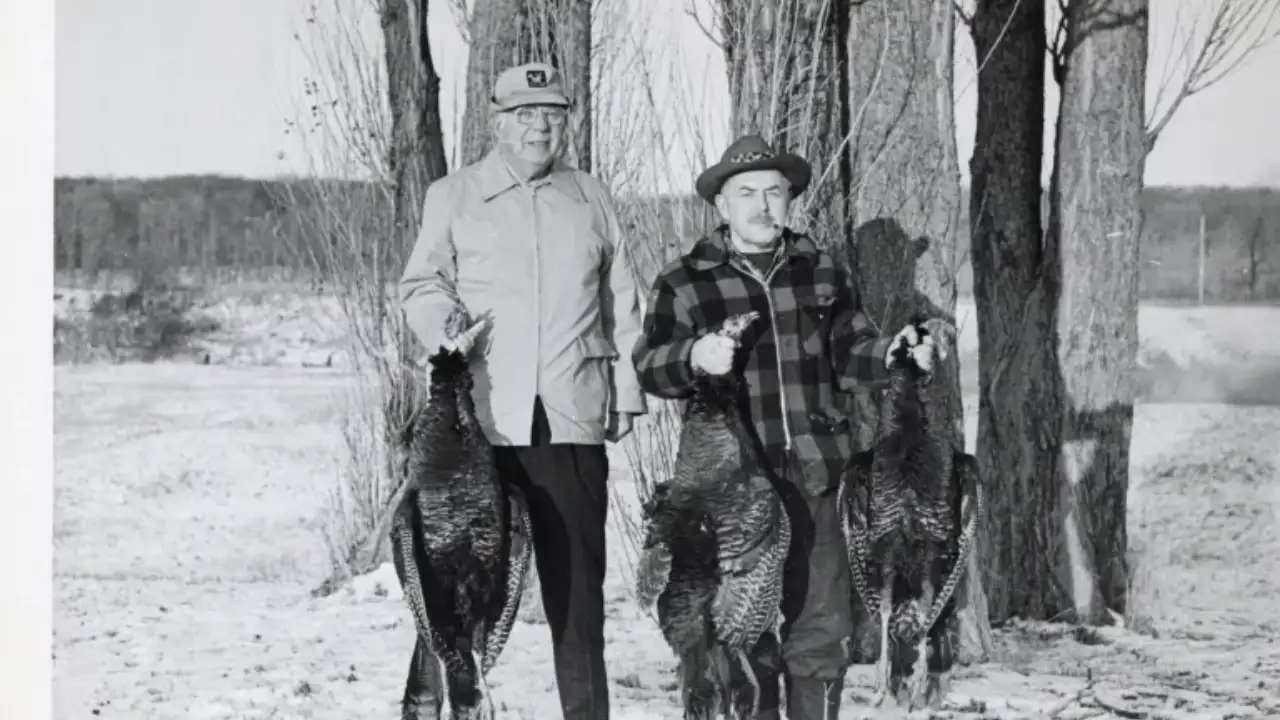
Hundreds of deer and turkeys starved over the two winters that followed, a grim coda to a herd that had begun, half a century earlier, as a handful of fawns brought ashore for the pleasure of a wealthy few.