
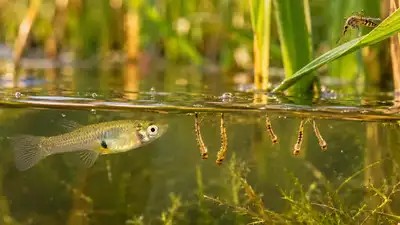
Built to beat mosquitoes but not so great for its neighbours (representative image). Image Credits: ChatGPT
New Jersey did just that back in 1905, but in an unusual way. The US Geological Survey’s Nonindigenous Aquatic Species database says that a small fish called Gambusia, reportedly from North Carolina, was released into New Jersey waters that year to control mosquitoes. Anyone who has ever stayed awake listening to a mosquito buzz knows the urge to fight back. The plan seemed smart, simple, and cheap. But over time, the fish ended up becoming a tricky guest. Now they are seen as a threat to wildlife already living in local waters. The USGS notes that critical reviews of research from around the world don’t support the view that mosquitofish are especially good at cutting mosquito numbers or mosquito-borne diseases. Neither are they gentle neighbours. The database describes them as aggressive fish that frequently attack other species. They tear off fins and often kill other fish. They eat the eggs, larvae, and young of other fish and also prey on smaller species of adult fish. In some waters, they can even backfire. If they eat the small animals that usually prey on mosquito larvae, instead of falling, mosquito numbers may rise.
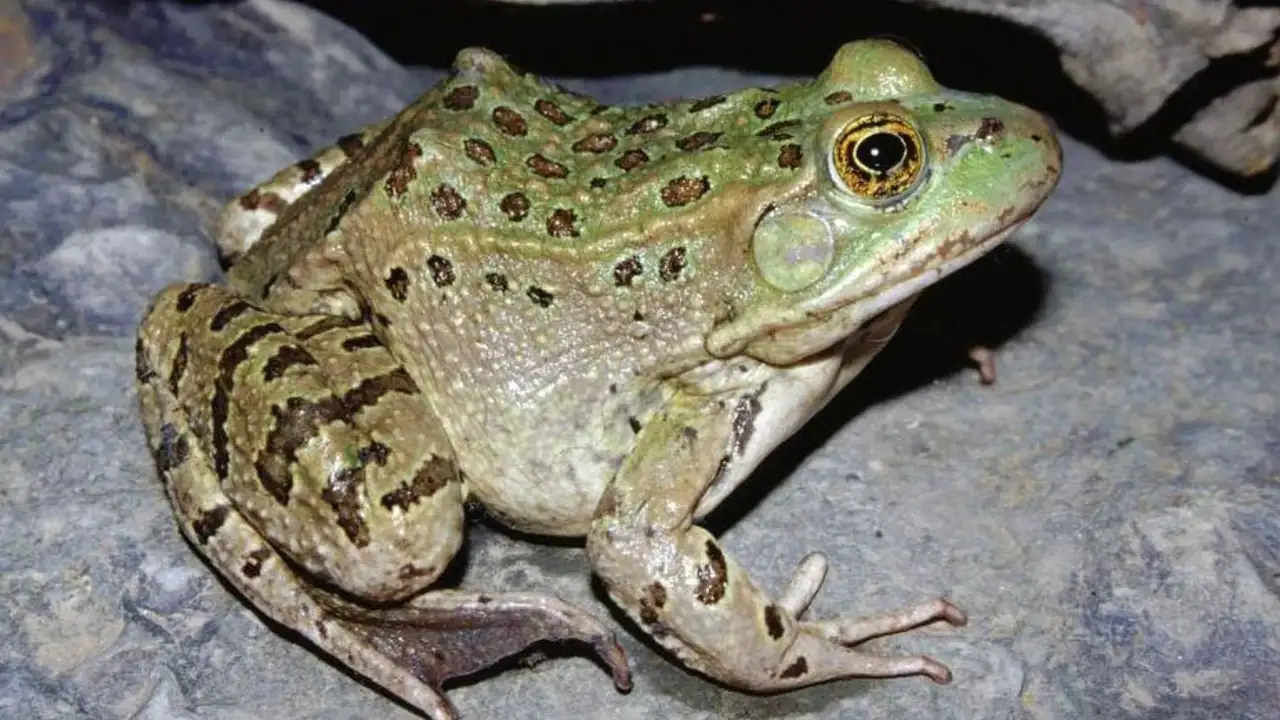
In Arizona, introduced fish, including mosquitofish, are believed to play a part in the decline of the Chiricahua leopard frog.
Moreover, it says that the two species may be difficult to tell apart. Many of the early releases were poorly documented, so it is often uncertain what species was moved, according to USGS. There, the agency says, the mosquitofish contributed to the decline or local loss of threatened or endangered species.
Now, New Jersey Fish and Wildlife has adopted a clear view. Its freshwater fish guide classifies the western mosquitofish as non-native, explaining that the fish was cultivated and stocked for mosquito control purposes. The species is considered harmful to populations of resident fish and amphibians. The fish should not be stocked in areas where they may affect native species. However, there is some inconsistency here. In the same guide, eastern mosquitofish is classified as native to the southernmost parts of the state. One of the strongest pieces of evidence of harm comes from the American West.