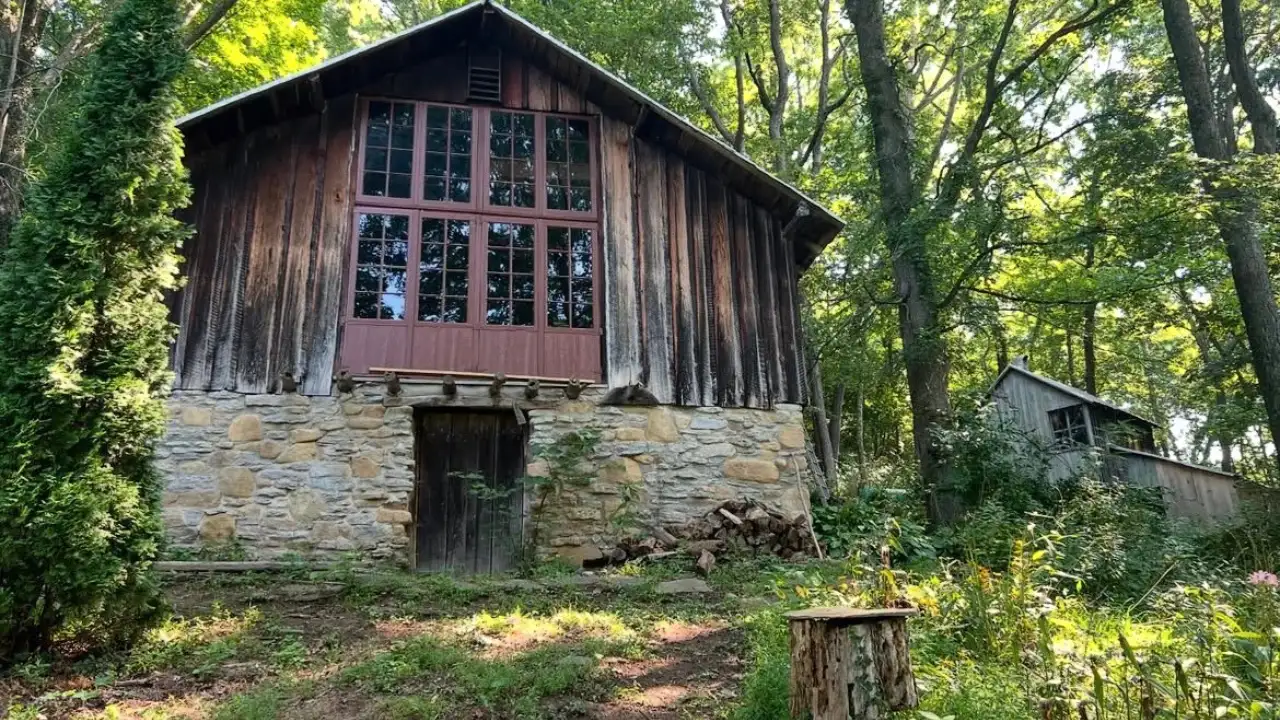
The preservation effort entered a new phase in 2022, when a nonprofit organization named Payne Hollow in Ohio acquired the 61-acre property | instagram/@paynehollowontheohio
Historical records place the cabin’s construction in 1952, after the Hubbards had negotiated for land at Payne’s Landing. A University of Louisville-related historical account says they returned to the site in May 1952, arranged to rent and later purchase seven acres, and moved into a one-room cabin by November that year. The structure expanded into a two-room home in 1954. The 61-acre Payne Hollow property went to Paul Hassfurder, an artist who had become a close friend of the Hubbards | instagram/@paynehollowontheohio Harlan painted, wrote and produced woodcuts, and often used materials and subjects connected to the Ohio River landscape. He is credited with more than 1,000 works of art. Anna died in 1986, while Harlan died in 1988. Hanover College says the couple’s riverside property eventually encompassed 61 acres, including the buildings and their contents.
Harlan Hubbard was an artist, writer and craftsman, and Anna was a librarian and musician. Together they developed a life around the property in Trimble County, Kentucky, and grew food, gathered wood and made much of what they needed themselves. Anna was a librarian and musician, and the couple’s life included music as well as Harlan’s painting and writing. They remained at Payne Hollow for more than three decades. By then, the property had become closely associated with their work and the self-sufficient life they had created there.
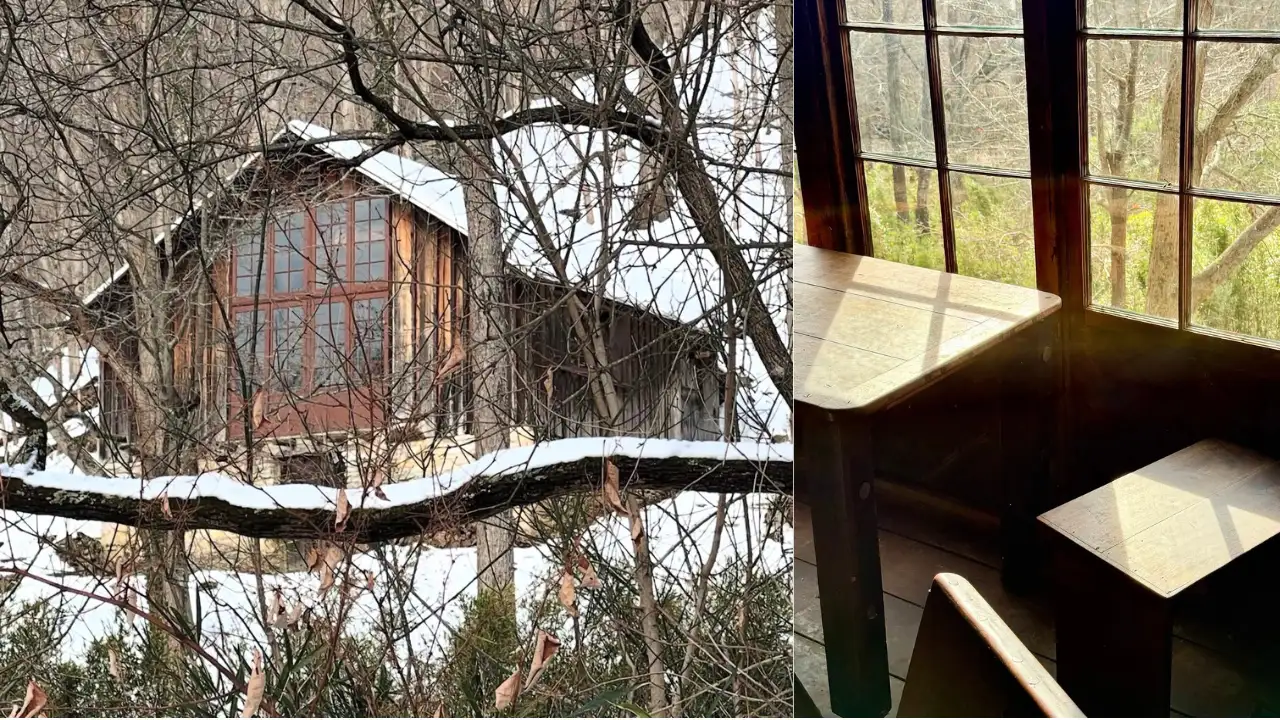
The 61-acre Payne Hollow property went to Paul Hassfurder, an artist who had become a close friend of the Hubbards and helped them during their later years, after Harlan’s death. Hassfurder moved into the house shortly after Harlan died and continued living there in much the same spirit as the couple.
Earlier accounts of Payne Hollow describe him maintaining the property and resisting major changes that could have altered its character.