
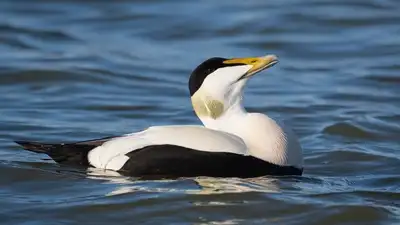
Common eider (Somateria mollissima), male, Seltjarnarnes, Iceland. Credits – Wikimedia Commons
None of it was an overnight success, and Déry has said the endeavour very much took the next 40 years of his life. In 2004, Quebec formally recognized the Île-aux-Pommes reserve as a private protected area in perpetuity. Some conservation stories begin with a large government project; others begin quietly with one person deciding a piece of land is worth conserving. The narrative of a small island in the estuary of the St Lawrence River in Quebec is very much of the second kind, and it took the better part of four decades for its entire significance to become obvious. What followed was slow, hands-on work, not dramatic work. Déry worked with Ducks Unlimited Canada and the Canadian Wildlife Service to set controlled burns to get rid of the heavily degraded vegetation affected by decades of seabird guano, then brought in dirt to cover the empty depressions left behind. In their place were planted shrubs designed for the harsh coastal climate, providing the female eiders with the low dense cover they require to hide their eggs from predators. Déry supported the comeback with rules that went way beyond simple habitat repair. Pesticides and non-native plant species are banned outright, rainwater on the island is collected and utilised sparingly and the family home itself is run on solar power. The announcement by the Quebec Ministry of Environment listed the newly designated conservation sites, including Île aux Pommes, which was declared the very first privately owned nature reserve in the maritime estuary of the St Lawrence and given permanent legal protection under the province’s Natural Heritage Conservation Act.
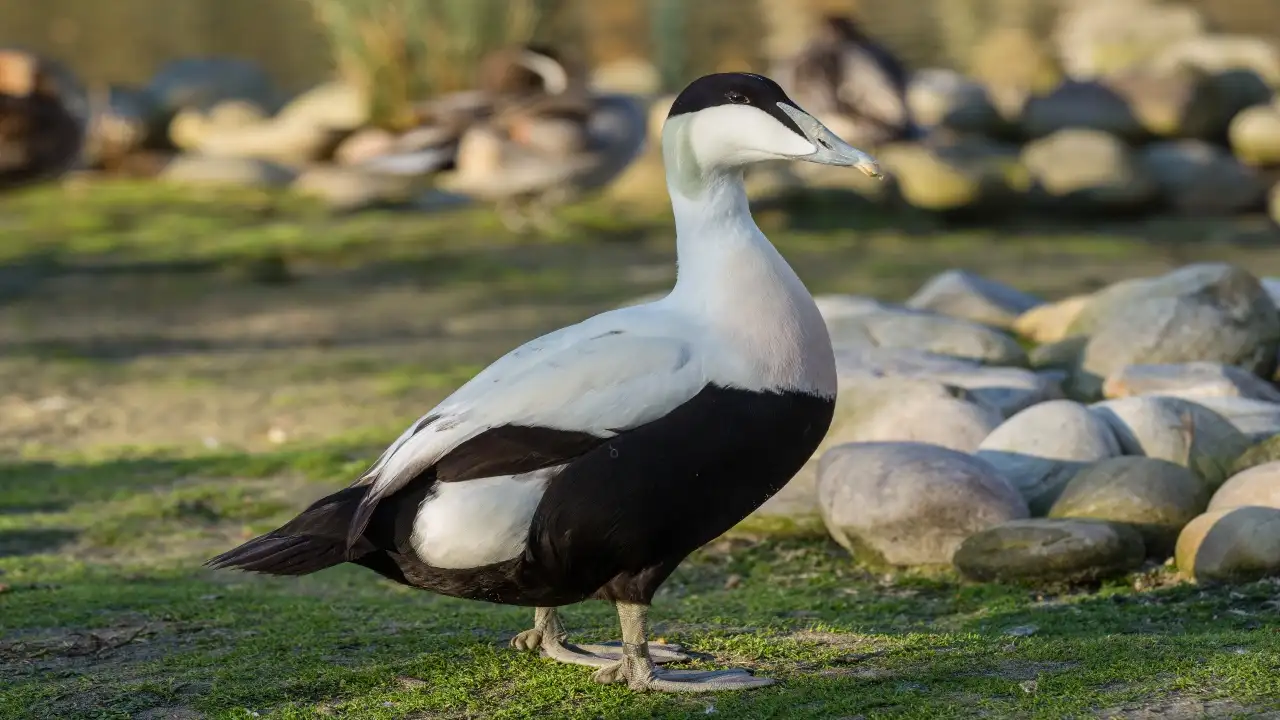
Déry’s conservation work was formally recognised in 2018, when he was appointed to the Order of Canada for his contributions to the biodiversity and protection of the St. What started in 1980 as a private effort to restore eider habitat turned into a permanently protected reserve in 2004. Because Île aux Pommes remains closed to the general public for the sake of the nesting birds, most people will only ever see it through the work of the researchers and journalists who occasionally grant access, including biologists studying the estuary’s eider colonies and camera crews from Radio Canada’s long-running series La Semaine Verte.
Lawrence estuary, including the revitalisation and conservation of Île aux Pommes. Today, the island of Île aux Pommes is owned by Déry’s two children, who have continued the restoration work that their father began when he was a young man, confident that sustained restoration work could help rebuild the island’s habitats.