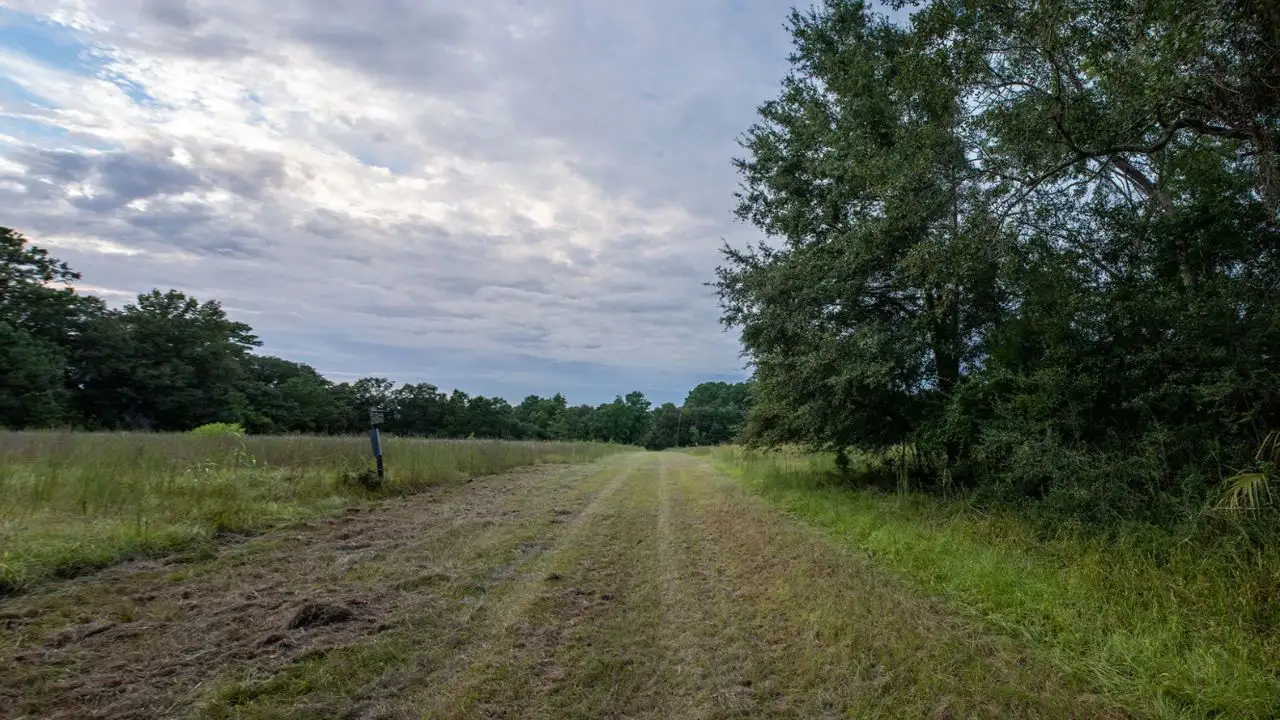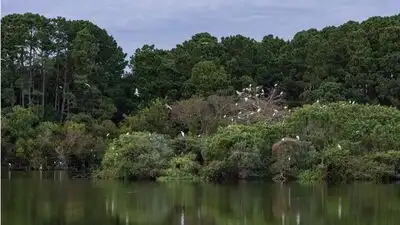
The Dill Sanctuary is home to a vast array of birdlife. Image Credit: The Charleston Museum
Live5News reported that a dispute over the will and a subsequent lawsuit resulted in restrictions requiring the museum to maintain the property as a wildlife refuge for 35 years. Live5News reported that archaeological evidence points to Native American activity in the area dating back approximately 8,000 years. The sanctuary also contains 4 Civil War batteries and two African American cemeteries associated with enslaved people.
Museum director Carl Borick told Live5News that the current board and staff were committed to protecting the land but could not guarantee what future leadership might decide. However, the arrangement included legal complications. Those restrictions have since expired, creating a need for a more lasting arrangement. The conservation easement offers a way to make that commitment legally binding, regardless of changes in management.
The 724-acre property is more than an expanse of undeveloped land. Among its natural features is a 6-acre wildlife pond with 3 nesting islands. Its landscape carries evidence of thousands of years of human history, alongside habitats that support native wildlife. The Charleston City Paper also highlighted the property’s history of colonial and antebellum plantations, its earthen Confederate fortifications and its importance as a habitat for wading birds. The pond is considered an important rookery for threatened or endangered wood storks. The property also contains extensive live oak canopy, providing a valuable stretch of green space along the Stono River. Live5News explained that Charleston City Council had already approved a resolution supporting the Lowcountry Land Trust’s application for the funding. The application involved partners including the South Carolina Conservation Bank and the National Coastal Wetland Conservation Grant Program.
The next chapter focuses on stewardship and public access
In April 2026, Charleston County Council approved a $3 million Greenbelt funding contribution towards a conservation easement covering more than 700 acres along the Stono River. The museum is contributing more than $15 million in easement value, with state and federal grants expected to cover the remaining cost. The latest decision follows a conservation effort that gained momentum in late 2025. Reportedly, on April 28, 2026, Charleston County Council voted 5-4 in favour of contributing $3 million through its Greenbelt programme. The funding will help secure an easement valued at more than $20 million, with the museum’s contribution accounting for more than $15 million in value. In 1985, Pauline Dill, the last surviving Dill sister, bequeathed the land to the institution.
The Charleston City Paper reported that the property is not open for daily visits, although the museum has offered school visits, summer camps, group tours by reservation, an annual oyster roast and other special events.
The Charleston Museum and the Lowcountry Land Trust had been working towards placing the property under a conservation easement to prevent future development while allowing the museum to continue managing the land, according to Live5News. State and federal grants will cover the remainder of the easement’s value, according to Live5News. Charleston’s Dill Sanctuary on James Island is moving towards permanent protection after decades under the care of the Charleston Museum. The decision marks a significant step towards safeguarding the property’s wildlife, historical landmarks and green landscape for future generations. A conservation easement places legally binding restrictions on how land can be used. Significant historical and archaeological research has been conducted at the Dill Sanctuary over four decades. Image Credit: The Charleston Museum The sanctuary’s future is closely tied to the Dill family’s decision to leave the property to the Charleston Museum. The museum has managed it as a wildlife refuge ever since. This approach allows the land to be protected without requiring the county to fund the entire amount. The preservation effort also has practical implications for the surrounding community. City officials have argued that retaining open land can reduce the need for additional roads and other infrastructure associated with new development. Protecting the Stono River frontage and the area’s existing landscape will also help maintain the character of James Island. Permanent protection does not mean the sanctuary will become a conventional public park. The museum has also identified opportunities to improve ecological land management, including controlling invasive species and expanding educational programming. Reportedly, the city would have the right of first refusal if the museum ever decided to sell the property, adding another layer to the proposed long-term safeguards. You use AI every day. Now get your AI Quotient. Take the AIQ test.