(Image courtesy: Sotheby’s)
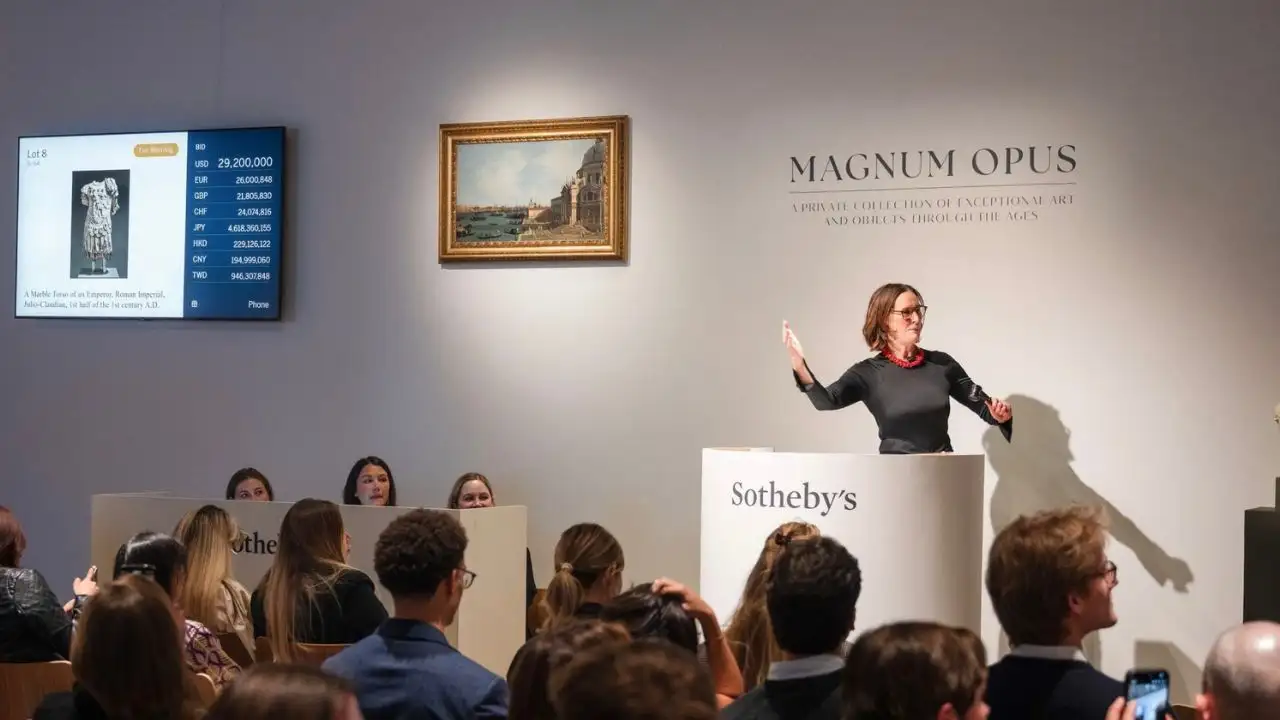
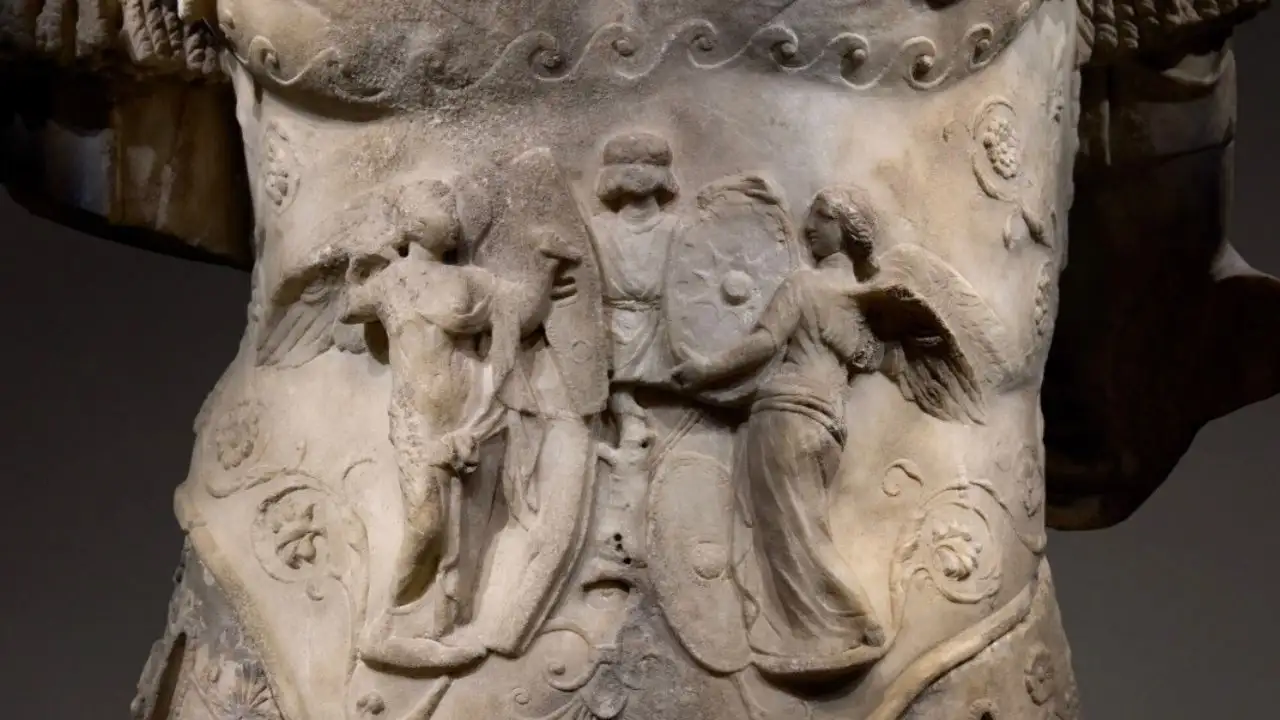
A headless marble torso of a Roman emperor, which sold for $7.36 million in 2010 and was subsequently displayed at several major museums across the United States, has fetched $34.26 million at an auction in New York. The nearly 2,000-year-old sculpture was offered at Sotheby’s Magnum Opus evening auction on October 21, 2026, achieving a price significantly higher than its previous sale and setting a record for a Roman antiquity sold at auction, according to Artnet News. Reportedly 5 collectors competed for the sculpture during bidding that reportedly lasted 14 minutes. The sale marks a substantial increase in the sculpture’s market value over 16 years, with its latest price nearly approaching 5 times the amount paid by the previous buyer. The torso’s October 2026 sale represents a considerable change from its previous appearance at auction in 2010, when it fetched $7.36 million. Its latest price of $34.26 million places it among the most valuable examples of ancient Roman sculpture sold on the international art market.
This result surpassed the previous auction record for a Roman antiquity, highlighting the demand and how factors such as provenance, rarity, artistic attributes and historical significance can all together influence the price of an antiquity and the competition among prospective buyers. The sculpture has traversed a journey through private ownership and prominent museum exhibitions, garnering renewed attention.