
Representative image
After surveying 200 homes, helping sterilise more than 65 dogs and cats and coordinating several on-reserve clinics, she has now opened what she believes is Manitoba’s first on-reserve animal shelter.
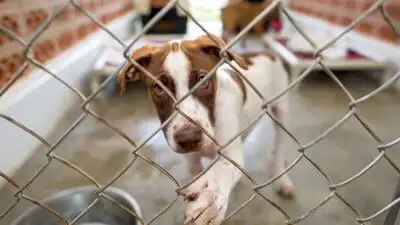
In 2017, June Thomas began rescuing stray “rez dogs” from her own home on Roseau River Anishinabe First Nation in southern Manitoba, driven by concern for the many unvaccinated, unsterilised animals roaming the reserve. The facility, run under her organisation Ginew Animal Care Services, aims to provide a sustainable, community-led solution to overpopulation and disease while reducing the need to transport pets off-reserve for basic care, according to IndigiNews. What started as a small home-based effort she called “June’s Adoptables” gradually grew as more dogs and cats needed help.
June Thomas’s journey began with grief. Her beloved dog Bessie fell ill and died from canine parvovirus, a highly contagious and often fatal disease that spreads quickly among unvaccinated dogs. Watching Bessie suffer made Thomas realise how vulnerable animals were in her community, where access to routine veterinary care, vaccinations and spay-and-neuter services was limited. Uncontrolled breeding leads to rapid population growth. Puppies are born faster than homes can be found for them. Diseases like parvo can spread through packs, especially among young dogs with weak immune systems. In some cases, large groups of stray dogs can become a safety concern, particularly if they form packs and behave aggressively toward people. Advocates stress that these issues are not a sign that community members do not care about animals, but rather a reflection of limited infrastructure and veterinary resources on reserves.
The first clinic cost more than $15,000, with six different community programs chipping in to cover the bill. At first, she met resistance. Many people did not understand why spaying and neutering mattered, or why vaccinations were important. Some were unsure where to take sick animals or how much care would cost. Thomas responded by organising on-reserve spay-and-neuter clinics, removing the barrier of having to travel to veterinarians outside the community.
Roseau River’s chief and council funded the construction using revenues from land leases and tobacco sales tax, according to Thomas. He urges non-Indigenous animal advocates to “stop the shame game” and recognise that the problem is not a lack of care but a lack of resources. The new shelter represents the next phase of Thomas’s vision. The facility includes space for housing animals, areas for cleaning and feeding, and plans for a dedicated water system. Thomas and other volunteers work at the shelter six to eight hours a day, cleaning, hauling water, transporting animals and providing food and basic care. None of them draw a salary, and fundraising to keep Ginew Animal Care running is constant. Thomas’s work sits within a broader context of underfunded infrastructure on First Nations reserves. Former veterinarian Richard Herbert describes stray dog issues as a symptom of larger systemic gaps, including shortages of quality housing, limited medical services, unreliable clean water and poor access to affordable food. In his view, animal management cannot be separated from these foundational issues. Herbert suggests permanent veterinary facilities on reserves, similar to nursing stations, where routine procedures could be performed without flying or driving animals long distances. He also highlights the need for animal control officers, shelters, education programs and enforcement mechanisms to make bylaws effective. Without this broader infrastructure, even well-intentioned plans can falter.