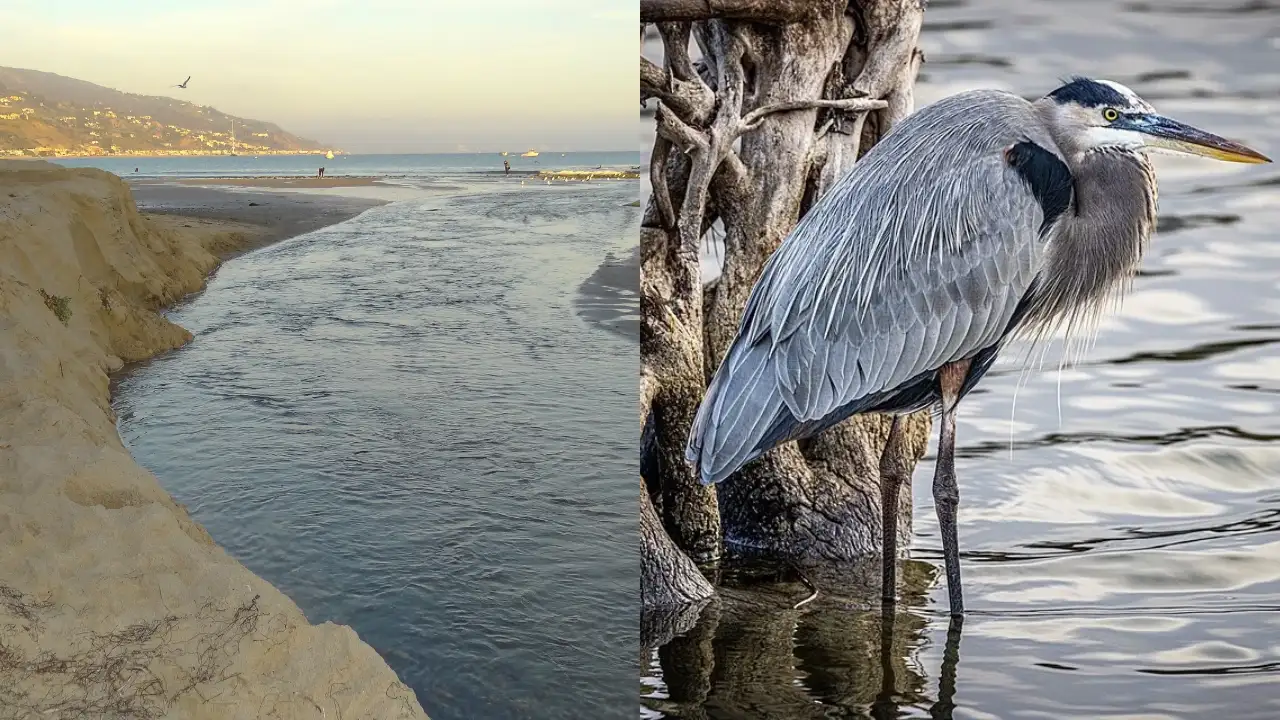
Parts of Malibu Lagoon experienced stagnant water and oxygen-depleted conditions before it was restored | Wikimedia Commons
Malibu Lagoon underwent a major restoration in 2012 after years of poor water circulation, excess sediment and low dissolved oxygen had affected the coastal wetland. The project completely changed channels, improved tidal connections with the Pacific Ocean and removed invasive vegetation. The lagoon was monitored for six months and found to have stronger water circulation, improved water quality, fewer oxygen-depleted areas and a more diverse community of native fish, birds, plants and invertebrates. Parts of Malibu Lagoon experienced stagnant water and oxygen-depleted conditions before it was restored | Wikimedia Commons The lagoon had areas with very low oxygen
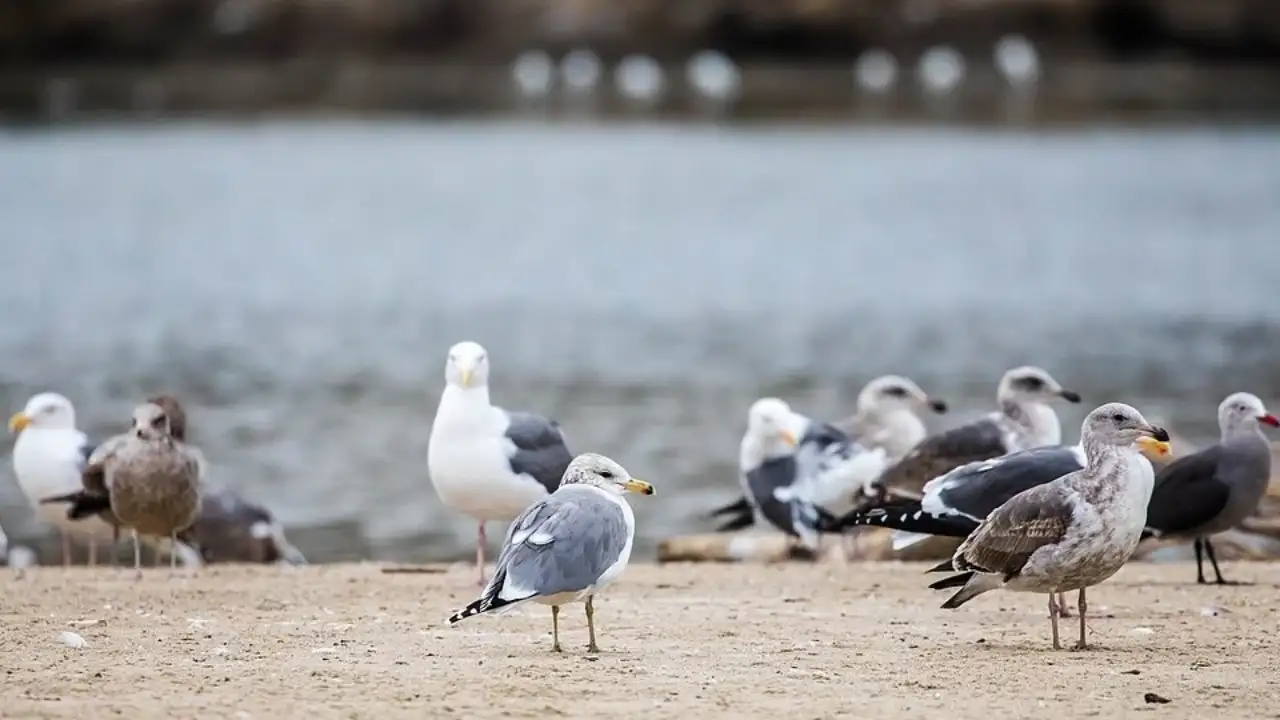
A post-restoration report that covered 2013 and 2014 found that dissolved oxygen at two back-channel monitoring stations remained above 1 milligram per liter during 97% of measurements when the lagoon was closed to the ocean. California State Parks reported that western snowy plovers and California least terns successfully nested at Malibu Lagoon in 2018, and became the first documented nesting by those species there in nearly 70 years. California gull | Wikimedia Commons Six years of monitoring found broader improvements California State Parks said that the restoration had met or exceeded its documented success criteria by 2019, and the agency reported that water circulation and quality had improved, along with changes in the lagoon’s plant and animal communities. The restoration was also tested when the 2018 Woolsey Fire sent ash, debris and sediment toward the coast, which added another stress to the lagoon. Water moved more effectively through the lagoon, oxygen-depleted areas were reduced and monitoring documented a larger native biological community in the years after the 2012 restoration.
Because of water-quality problems, with restoration planners wanting stronger tidal exchange and better circulation through areas where water had previously remained for long periods, the lagoon had been identified as an impaired water body. The Malibu project therefore produced measurable changes that went beyond the initial construction work. Native species returned to the restored areas California State Parks reported that the restored lagoon supported a more diverse community of native organisms, including fish, birds, vegetation and benthic invertebrates, while algae mats that had been widespread before the restoration were also substantially reduced.
Parts of Malibu Lagoon experienced stagnant water and oxygen-depleted conditions before it was restored. The lagoon had also collected sediment and invasive vegetation, while its altered channels limited the movement of tidal water through some areas. The restoration plan focused on changing the physical layout of the lagoon rather than just removing sediment. Crews modified the channels, improved tidal connections and restored areas with native coastal wetland vegetation. The project also included habitat improvements for fish, birds and other wildlife. New channels changed water movement The restored lagoon opened additional pathways and went through modifications to improve circulation through the wetland. The intention behind the changes was to reduce stagnant areas and increase the movement of water that was oxygenated. The monitoring program continued even after those first two years, and researchers examined water chemistry, circulation and biological communities to determine whether the physical changes were producing sustained improvements. The lagoon remained habitat for the endangered tidewater goby, and bird use also produced notable results. Researchers compared water-quality measurements and biological communities with conditions that were recorded before restoration, which allowed the project team to track changes in oxygen levels, circulation and habitat over several years. Researchers continued monitoring afterward and assessed conditions in the restored wetland. You use AI every day. Now get your AI Quotient. Take the AIQ test.
Earlier monitoring had recorded hypoxic and anoxic conditions in parts of the lagoon.