
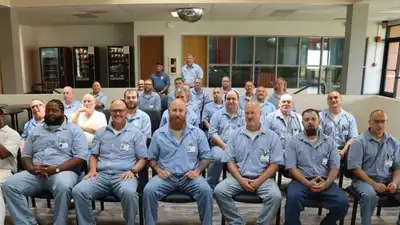
Nearly 30 incarcerated men in northwest Kansas have donated $4,267 to help pay down unpaid school meal debt at Norton Community Schools, turning money raised inside a correctional facility into support for children in their local community. Members of Reaching Out From Within, a rehabilitation programme at Norton Correctional Facility, raised $3,810 from their personal funds during a spring and summer fundraiser. Kansas Department of Corrections staff added another $457, bringing the total to $4,267. The donation was presented to Norton Community Schools Superintendent Corey Roy on August 3 and will help provide meals for children whose families have struggled to pay their school accounts.
The fundraiser began after members of Reaching Out From Within learned that Norton Community Schools, USD 211, had accumulated about $6,000 in unsettled meal debt by the end of the 2025-26 school year. The debt had built up from breakfast and lunch served to students whose families were facing food insecurity and could not pay their children’s accounts. Rather than simply discussing the problem, members of the prison-based programme decided to organise a fundraiser.
The money was formally presented during a ceremony at Norton Correctional Facility on August 3, when nearly 30 incarcerated men gathered to hand the donation to Norton Community Schools Superintendent Corey Roy. The $4,267 contribution does not completely erase the district’s reported $6,000 meal debt, but it substantially reduces it and provides direct assistance to families struggling with food costs. The fundraiser therefore allowed participants to help children facing a problem that some of them had experienced earlier in their own lives. At the same time, the available reporting does not establish that every participant personally experienced childhood hunger, so that detail is best attributed to the organisers rather than applied to all of the men.
The facility said the money was intended to be “paid forward” and used to help local children fuel their day and remain focused and energised during the school year. Roy said he was moved by the men’s desire to make a positive impact on other people in their community. Organisers said many participants had grown up in financially unstable households and remembered experiencing hunger themselves.
He also spoke with participants individually and as a group, telling them that their actions had made a positive difference. The lunch-debt fundraiser also carried a personal connection for some of the men involved. That background gave the men a direct understanding of why a school meal can matter to a child whose family is struggling financially. The episode has also prompted a broader conversation about food insecurity and the circumstances that allow school meal debt to accumulate in the first place. At the same time, the donation offers a striking example of the kind of community contribution that rehabilitation programmes such as ROFW seek to encourage. Men serving time at a Kansas correctional facility chose to use their own funds to help children outside its walls, turning a local financial problem into an opportunity for service and positive change.