
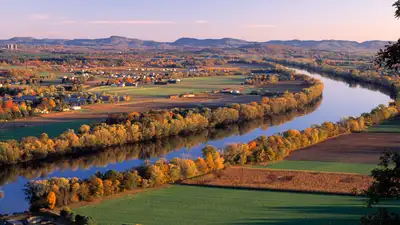
More than 120 acres of historic farmland and nearby woodland in Essex, Massachusetts, have been permanently protected from commercial housing development after a major conservation deal was completed in early 2025. The agreement ensures that the property, which has been farmed for more than two centuries and cared for by one family for 100 years, will remain used for farming, forestry and protection of natural habitat.
The regional land trust worked with local town leaders and state environmental agencies to place a permanent conservation restriction on historic Hoyt Farm, also known locally as Silver Brook Farm, according to project details published by the Essex County Greenbelt Association.
During the past 100 years, family members grew crops, managed hay fields and cared for the surrounding forests.
Protecting the farm keeps an important connection to Essex County’s farming history, according to official statements on the Greenbelt success story portal. They also turned down commercial offers as property values rose across eastern Massachusetts. Family members worked with conservation groups to make sure future changes in ownership would not lead to subdivision or suburban development. It also protects working farmland in an area where agricultural properties are quickly disappearing.
The protection of the 120-acre property also safeguards important natural resources and wildlife areas connected to the Essex River watershed. It also helps ensure that more than 200 years of farming history on John Wise Avenue can continue into the future. Voters at an Essex Town Meeting approved a major contribution from local Community Preservation Act funds to help support the purchase, according to financial information released by Essex County Greenbelt. Data from the United States Department of Agriculture’s Census of Agriculture shows that Massachusetts lost thousands of acres of active farmland over the past two decades.
The property includes sensitive wetlands, headwater streams and forested buffer areas that drain into local salt marshes, according to environmental assessments by Greenbelt conservation specialists. Keeping Hoyt Farm permanently dedicated to agriculture supports local food security and protects the farming character of Essex, according to statements from Greenbelt project organizers. Protecting the land required several sources of funding. The money came from local government funds, state grants and private donations collected through community outreach. The town’s contribution was then matched by grants from the Massachusetts Executive Office of Energy and Environmental Affairs through its Agricultural Preservation Restriction program. Private donors from Essex and nearby towns provided the rest of the money needed to complete the land purchase. By combining local tax funds, state conservation grants and donations from residents, organizers completed the deal without creating an unexpected financial burden for town operations. Under the agreement, the property remains privately owned and managed. Essex County Greenbelt holds and enforces the permanent conservation restriction. This means industrial development, residential subdivisions and commercial construction are permanently banned on the property. Uncontrolled housing development could have added roads, driveways and roofs that do not absorb water. This could increase stormwater runoff and carry pollution into nearby shellfish beds. Keeping the forest and open land undisturbed allows the soil to absorb rain naturally. This helps filter water before it reaches coastal ecosystems. Environmental scientists at the Massachusetts Division of Ecological Restoration say coastal wetlands and nearby forest buffers are important for reducing local flooding during severe weather. The protected property also provides an important path for wildlife. It connects existing protected land in Essex with larger forest areas across northern Essex County. The protection of Hoyt Farm comes at an important time for farms across Massachusetts. Rising land prices and demand for housing have contributed to this loss. High property costs also make it difficult for young and beginning farmers to buy suitable farmland. By placing a permanent conservation restriction on the property, its commercial value falls to reflect its protected agricultural use. This can make the land more affordable for future farmers who want to work it.