Image: NPS
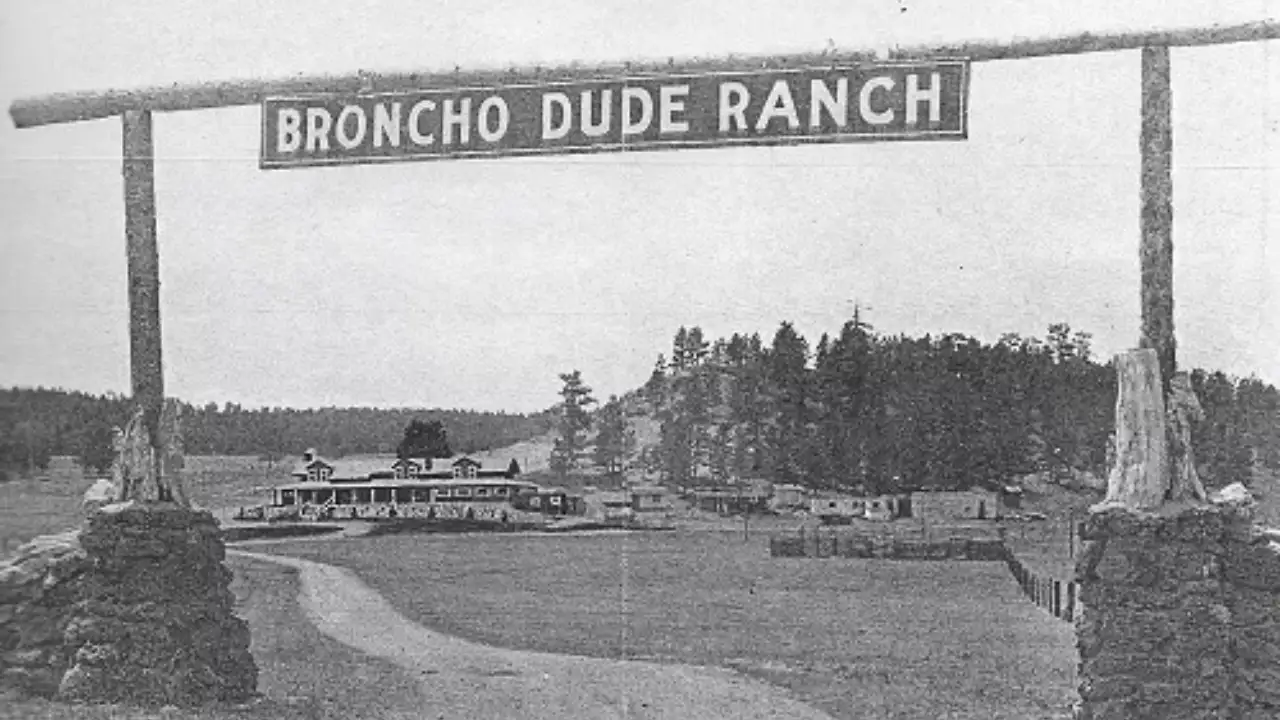
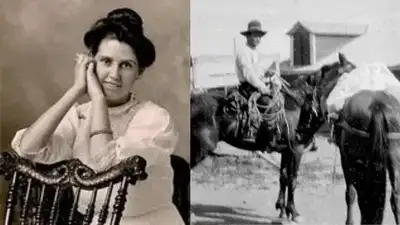
Over decades, Agnes Ryan Singer and her husband, Palmer, grew their property into a sprawling 840-acre working ranch and tourist attraction above one of the richest fossil beds anywhere in the world. First discovered in 1871, the ancient lake bed was public domain land, which meant the Homestead Act of 1862 applied. By 1905, thirty-three homesteads of 160 acres each stood on the valley floor. Palmer Singer was born in 1889 in Logan County, Nebraska, and moved as a teenager with his family to Haswell, a prairie town in southeastern Colorado. In 1915, he married a local teacher, Agnes Ryan. In 1921 they sold their ranch and moved to the Pikes Peak region, a rapidly growing tourist destination. In 1954 Palmer died unexpectedly, leaving Agnes, an experienced businesswoman, to run the ranch alongside her grown children. Seven years later, in 1961, Agnes Ryan Singer, then 73 and widowed, asked the Department of the Interior to reconsider national monument status for the valley. She owned the largest ranch in the central part of the fossil beds and, with Palmer, had already watched the federal government reject the idea twice since the couple began operating the ranch in 1927, according to the National Park Service.
Few ranches can claim to have helped save a prehistoric lake bed, yet one in the Colorado mountains did exactly that. After widowhood, she formally urged the federal government to protect the ancient treasures beneath her pastures, and once Congress agreed, she sold the land to the nation. This is the story of the ranch, the family behind it, and the woman who helped secure a national monument. Just south of the small town of Florissant, Colorado, a saucer-shaped valley about three miles across holds one of the richest fossil beds in the world. The National Park Service explains in its history of the Singer family, researched and written by Lloyd Lacy with help from the family, that the land was surveyed in a checkerboard pattern and opened to claims before anyone grasped the geological value of the fossils. For six years the couple homesteaded near Haswell, where Palmer worked cattle and livestock while Agnes managed the homestead, taught school, wrote music and raised their children. Six years later, they bought the Petrified Forest Hotel and Resort of Florissant, a tract once known as the Petrified Stump Ranch, with petrified tree stumps and acres of fossil shale. Guests could stay in one of eleven rooms, hike to the stumps or collect fossils in an on-site quarry. She felt strongly that the time had finally come for the agency to grant federal protection to the Eocene epoch fossils.
Some historians argue that, without her initiative and support, the monument visitors enjoy today would never have happened.