
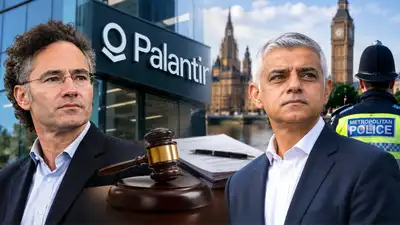
PC: AI Generated
Palantir’s legal challenge over the blocked police contract
Palantir and London mayor Sadiq Khan’s policing office have ended their legal dispute over a £50 million Metropolitan Police software contract, clearing the way for a fresh procurement process. As reported by the BBC, the settlement, announced on 15 October 2026, closes Palantir’s High Court challenge but does not overturn the decision that stopped the original two-year deal. The dispute began in May 2026, when the Mayor’s Office for Policing and Crime (MOPAC) prevented the Metropolitan Police from proceeding with a proposed two-year agreement with Palantir, the US technology company. The disagreement was heading towards a trial scheduled for January 2027.
Palantir launched its High Court claim in June, disputing MOPAC’s intervention. The joint statement said this would be done as quickly as practicable, although it did not set out a confirmed timetable for the new competition or identify which other suppliers might take part. The dispute began after concerns were raised about how the Met selected a supplier and secured approval for the proposed spending. Both sides will cover their own legal costs, while Palantir remains eligible to bid again as the police force faces mounting budget pressures and potential staffing cuts. The deal concerned software designed to help officers process intelligence and support criminal investigations, reducing the amount of manual work involved in examining information. The company argued that the decision amounted to an unlawful veto and alleged that considerations about its values and ethics had been used improperly to prevent the agreement from going ahead. MOPAC rejected that account. During the proceedings, searches of Mayor Sir Sadiq Khan’s text messages and emails were expected as part of the legal process, raising the prospect of closer scrutiny of communications surrounding the decision. MOPAC and the Metropolitan Police are now working towards running the contract process again.
The dispute also exposed differences over how the force had approached a major technology purchase. The Met had argued that its procurement process complied with legal and commercial requirements, while MOPAC’s intervention focused on the way the proposed contract had been handled. Those positions were not reconciled through a court judgment; the parties chose to settle instead.