
Image: Canva
The city has scheduled walking and rolling tours as it works to define environmental justice communities during summer and autumn 2026.
As part of the initiative, the city is holding “Neighbourhood Walk and Roll” events alongside surveys, workshops and other outreach activities. The Neighborhood Walk and Roll events form part of Pasadena’s wider community engagement process for its first Environmental Justice Element, according to the Pasadena Planning & Community Development Department. Pasadena is developing its first Environmental Justice Element, bringing residents into the process of identifying environmental burdens and gaps in access to services across the California city. Residents are being encouraged to share their experiences of neighbourhood conditions, while city staff examine pollution, housing, parks, mobility and other factors. The information will help shape policies and priorities in the proposed Environmental Justice Element. The programme is designed to combine data with residents’ experiences of their neighbourhoods. Pasadena’s ‘Walk and Roll’ programme puts neighbourhoods on the map (Image: Pasadena Now) The initiative also looks beyond pollution and housing to examine whether residents can reach public facilities and enjoy opportunities for active living. Pasadena’s environmental justice topics include equitable access to parks, community facilities, libraries, public transport and city programmes. The city is also considering safe walking, cycling and recreation across neighbourhoods. This means the community engagement process is not limited to identifying environmental hazards. Residents can discuss how streets, public spaces, transport and recreational facilities affect daily life, giving planners information that may not be captured through environmental datasets alone.
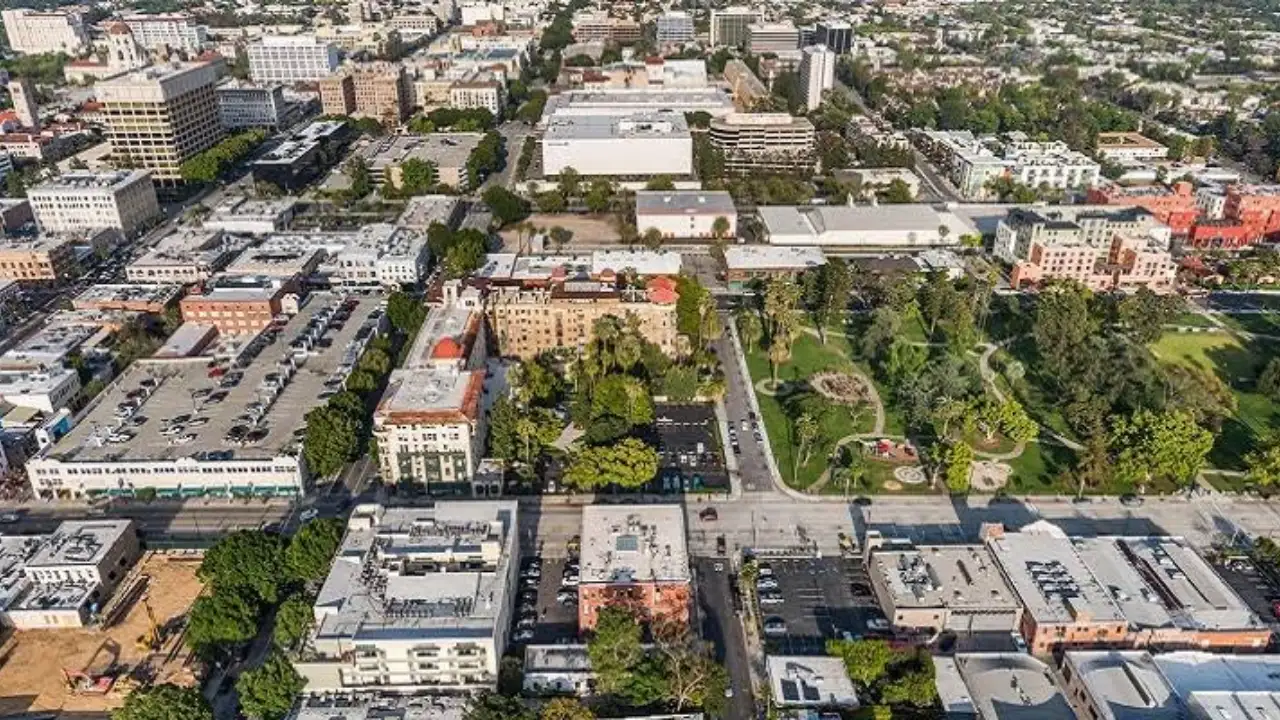
Pasadena’s current timeline places policy development in winter 2026 to spring 2027, followed by solutions and priorities in spring 2027. A draft Environmental Justice Element is planned for autumn-winter 2027, followed by commission and City Council hearings.
The city says community input will help refine its preliminary environmental justice boundaries and ensure they better reflect residents’ lived experiences. Its initial map identifies seven census tracts concentrated in northwest Pasadena, where available data indicates relatively high transportation-related air pollution, lead exposure and economic burdens. The boundaries are preliminary and can change as the engagement process develops.