
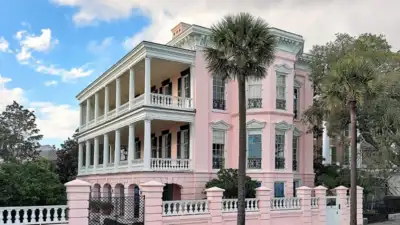
John Ravenel House in 2022 | Wikimedia Commons
Scott Bessent and John Freeman bought Charleston’s John Ravenel House for $6.5 million in 2016, when the historic property was being used as a bed-and-breakfast. They spent three years stripping the house back and rebuilding it with historically appropriate details before putting it on the market for $22.25 million in October 2024. The $22.25 million asking price was more than three times the $6.5 million purchase price from 2016, when the John Ravenel House was listed in October 2024.
Because it placed the historic residence among Charleston’s most expensive homes for sale, the figure attracted attention. The house went under contract after roughly a month and a half on the market, and the eventual closing price was lower than the original asking price. The previous John Ravenel House | Wikimedia Commons The mansion eventually sold below its asking price
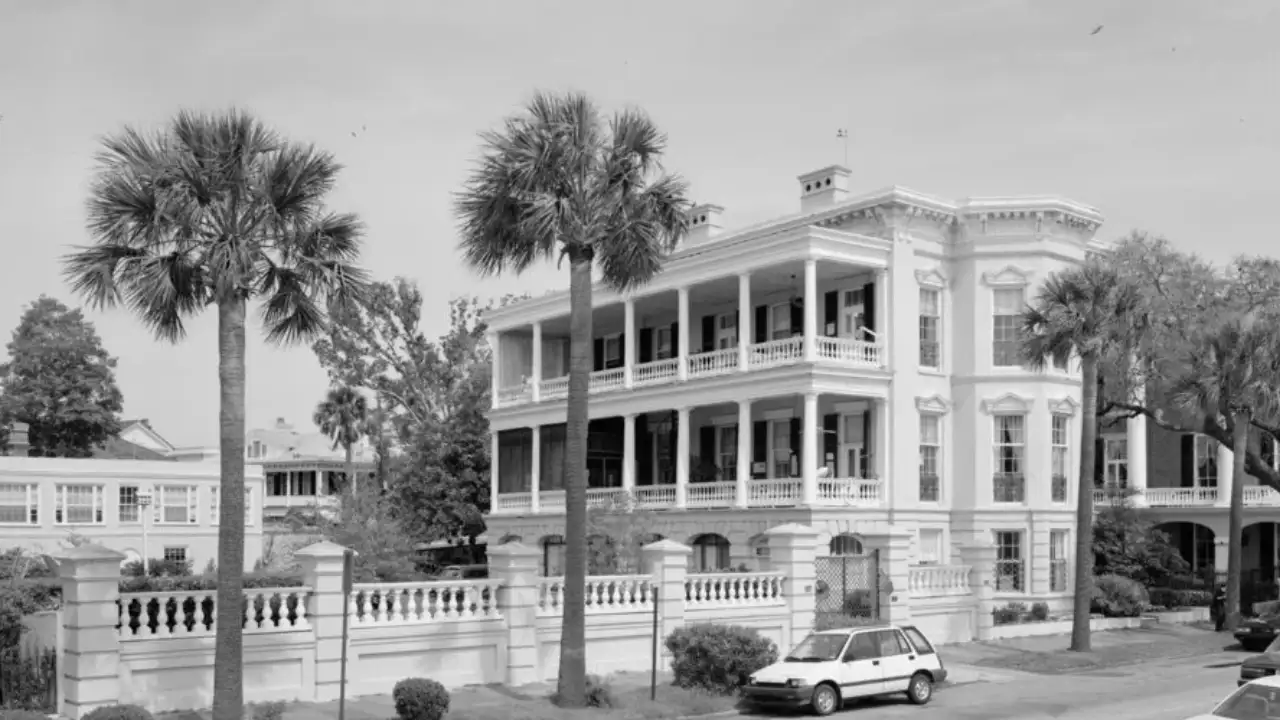
The three-story house stands at 5 East Battery, which is directly along Charleston’s historic waterfront. It was built around 1848 for the Ravenel family and was rebuilt after the 1886 Charleston earthquake. The house has eight bedrooms and 10 bathrooms and sits on a roughly 0.41-acre double lot, and its second- and third-floor piazzas overlook Charleston Harbor, while the property also includes a three-bedroom carriage house, pool house, and garage. John Ravenel House in 2022 | Wikimedia Commons The restoration went beyond the rooms The State reported that the project restored Greek Revival details and mantels, reconstructed brick fireplaces and reopened the ground-floor loggia. The project was recognized by the Preservation Society of Charleston in 2021, which praised the work for its combination of craftsmanship and collaboration. The John Ravenel House ultimately sold in March 2025 for $18.25 million, with another $3 million paid for furnishings and fixtures, according to the buyer’s brokerage . The $18.25 million property price was below the $22.25 million listing price, but the sale still represented a substantial increase from the $6.5 million purchase price nine years earlier. The house’s original construction dates to the 1840s, and it survived the 1886 earthquake before being rebuilt. By the time the property changed hands again in 2025, the restoration had become part of the home’s documented history, alongside its original construction, earthquake rebuilding and years as the Pink Palace bed-and-breakfast.
The historic residence had been divided into a small hotel by the time Bessent and Freeman purchased it, and the restoration therefore involved more than cosmetic changes. The Wall Street Journal reported that the dining room included custom wallpaper that depicted the family, their dog and historical scenes from Charleston.
The owners took the house down to the studs and rebuilt portions of the interior, and undid the rooms that had been divided for its bed-and-breakfast use, according to the Wall Street Journal. The restoration team included architect Glenn Keyes, preservation contractor Moby Marks and landscape architect Perry Guillot. The house was reconfigured as a private residence instead of the divided rooms that were required by its previous form as a bed-and-breakfast. Bessent and Freeman furnished it with antiques collected from around the world. You use AI every day. Now get your AI Quotient. Take the AIQ test.
The owners also removed historically inappropriate repairs and modern additions and carried out flood mitigation work. The later restoration addressed a different challenge of reversing changes that were made when the historic mansion had been converted into a small hotel and bringing back architectural details associated with its earlier design.
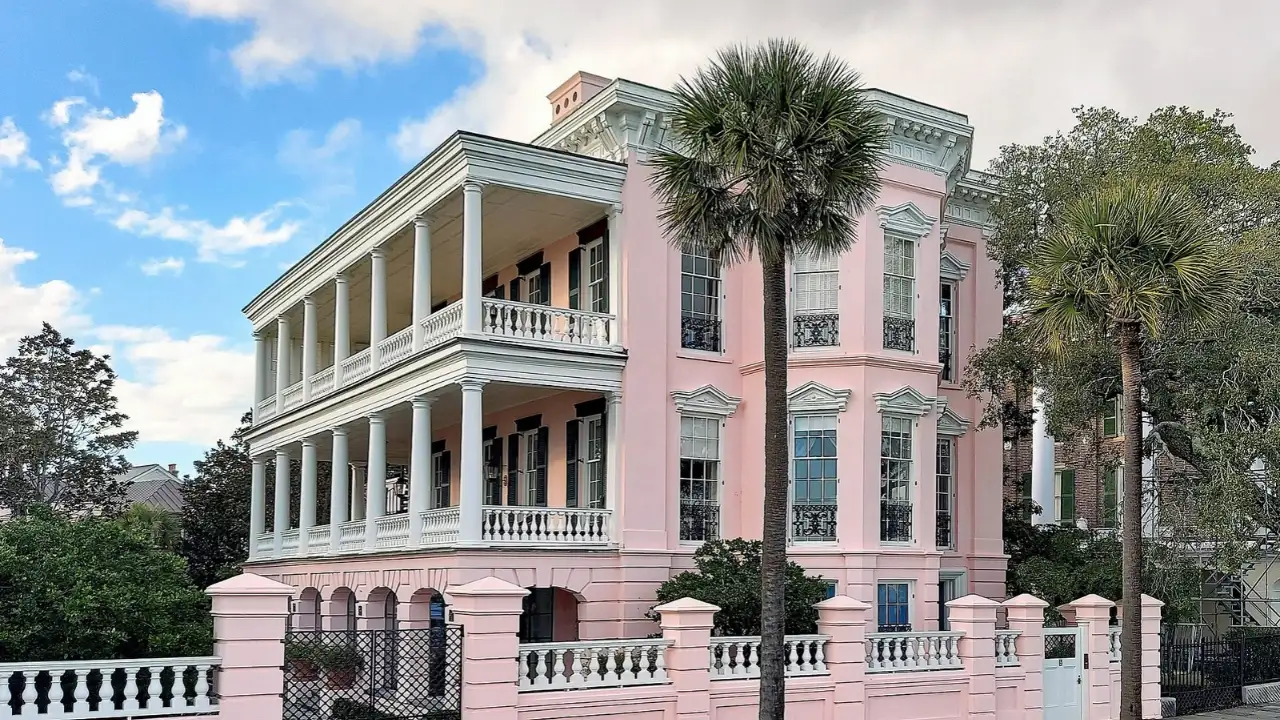
The finished property retained its original architectural identity while incorporating updated systems and amenities expected in a luxury home. The restoration also involved careful attention to the property’s exterior and surrounding grounds, with the owners working to preserve the character of the historic waterfront residence.