Image: Canva
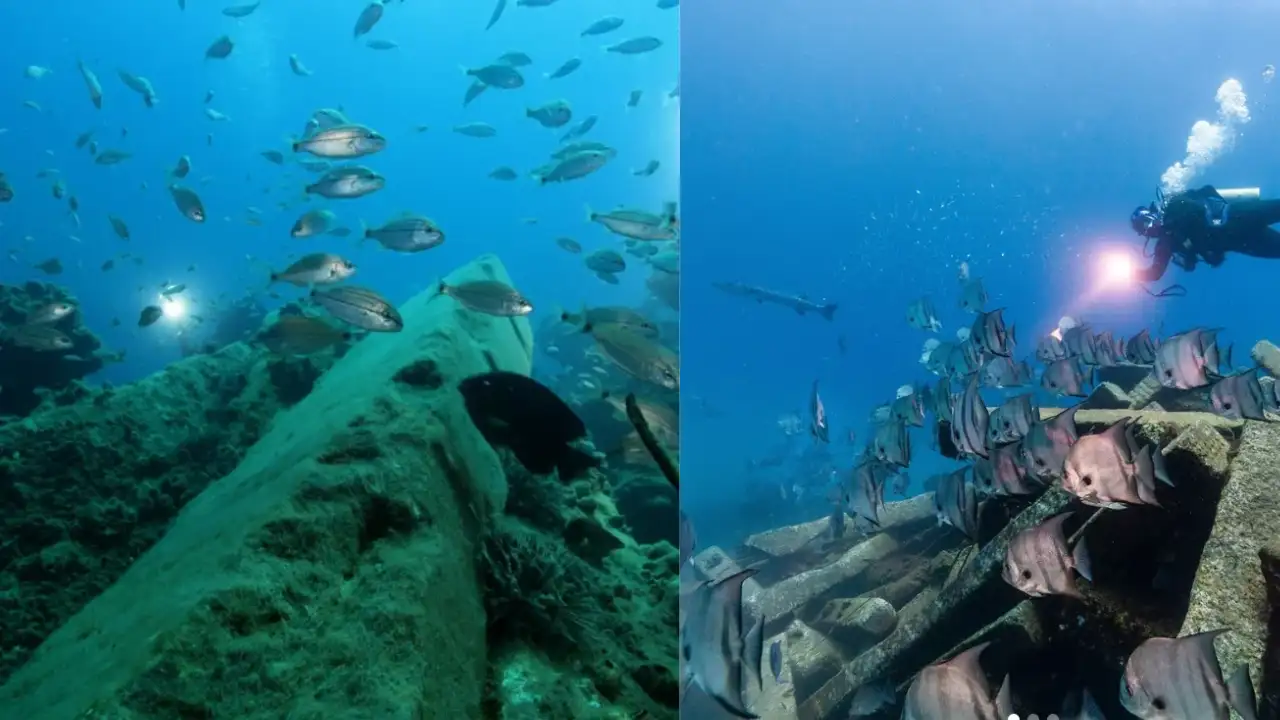
Texas has transformed material from the demolished Queen Isabella Causeway into a new 320-acre artificial reef near South Padre Island. The 6,620-foot bridge once connected Port Isabel and South Padre Island and had already provided habitat for fish and invertebrates before its retirement. The Texas Parks and Wildlife Department’s Artificial Reef Program handled the reefing plan, material-placement protocol, and creation of the new reef, which was completed in July 2026.
Its western section later became a safety and navigation concern, prompting the Texas General Land Office to oversee its removal. Rather than treating the old bridge material as waste, the project repurposed it offshore as a long-term marine habitat.
The Queen Isabella Causeway was built in 1954 and served for two decades as the main route between Port Isabel and South Padre Island. The 6,620-foot bridge also unintentionally functioned as artificial reef habitat for fish and invertebrates, according to the Texas General Land Office (GLO). The planned reef covered about 320 acres and was intended to allow the old bridge material to continue providing habitat for marine fish and invertebrate species. The department says the project was completed in July 2026, creating a 320-acre reef from material recovered from the former Causeway. Nearly 200 marine fish species have been observed on Texas artificial reef structures, while red snapper are regularly seen at TPWD reef sites.
The new site therefore extends the marine-habitat role the Causeway had already served before its demolition.
The agency says artificial reef structures can provide complex, stable and durable habitat in areas of the Gulf where the seafloor is otherwise largely flat and bare. After the Causeway was retired, part of its eastern end was converted into a fishing pier, while the western end was left neglected and eventually posed risks to public safety and navigation. The GLO took responsibility for the bridge’s engineering, design, demolition and removal, while the Texas Parks and Wildlife Department (TPWD) developed the reefing plan and placement protocol. Image: Instagram/@visitsouthpadreisland The project was designed to give the demolished bridge material another purpose rather than simply discard it. The GLO partnered with the department’s Artificial Reef Program to place the material at a new offshore reef site near South Padre Island. TPWD was responsible for identifying the reef area, securing the necessary permits and clearances, developing specifications for the materials, and overseeing the reefing process. Join conversation Share your thoughts in the comments Be respectful · TOI community guidelines The GLO, meanwhile, handled the Causeway’s removal and administered its engineering, design and demolition. The completed Queen Isabella Reef adds another artificial habitat to Texas’ network of offshore reef sites. You use AI every day. Now get your AI Quotient. Take the AIQ test.