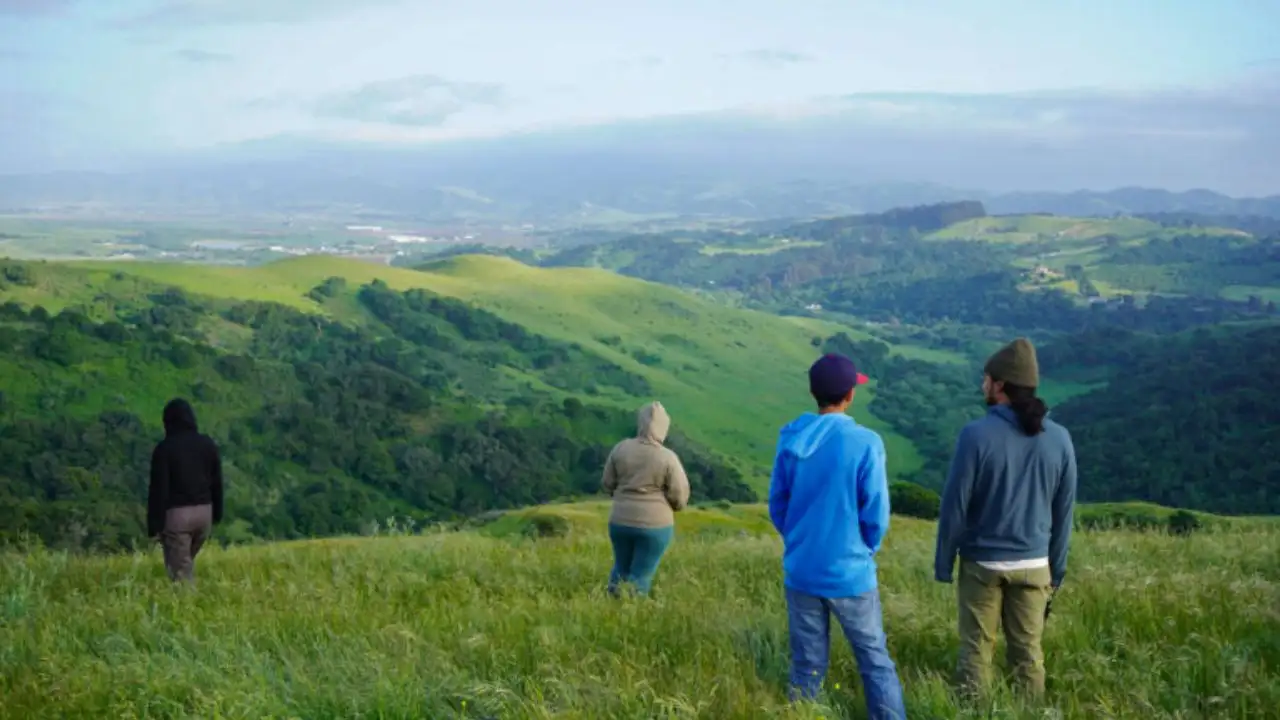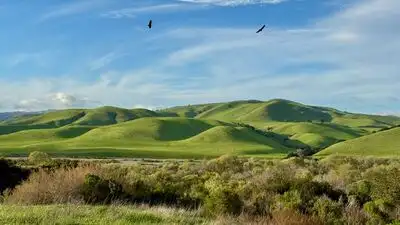
Sargent Ranch. Image Credit: Protect Juristac
A vast stretch of California ranchland once faced the prospect of becoming an industrial mining site, with a proposed 403-acre quarry threatening grasslands, oak woodland, waterways and a landscape held sacred by the ‘Amah Mutsun Tribal Band. ’ The development plan triggered years of opposition, finally drawing more than 10,000 public objections to Santa Clara County. In January 2026, however, the story took a different turn. The ‘Peninsula Open Space Trust (POST)’ paid about $23 million to acquire another 2,284 acres of the historic Sargent Ranch, permanently protecting the core of the Juristac Tribal Cultural Landscape and bringing the proposed quarry project to an end. The decisive turning point came on 29 January 2026, when the POST announced that it had purchased an additional 2,284 acres of Sargent Ranch for $23.04 million. The acquisition brought the amount of protected land at the former Sargent Ranch to 6,114 acres, according to GlobeNewswire. Commitments were also in place to secure the remaining parcels, with the full ranch covering about 6,500 acres. POST had acquired land at the ranch in October 2024 and had invested $63.7 million in the project by early 2026. The organisation described the overall undertaking as the largest land conservation purchase in its nearly 50-year history. The Amah Mutsun Tribal Band began publicly opposing the proposed quarry in 2016. Protect Juristac reported that more than 29,000 people signed a petition calling for the land’s protection, while seven local city councils unanimously passed resolutions opposing the mine. Santa Clara County received a record-breaking total of more than 10,000 comment letters opposing the mine, according to Protect Juristac. Tribal members and supporters organised public rallies, meetings and a five-mile prayer walk in 2019. In 2023, around 400 supporters attended a rally in San Jose during the public comment period for the project’s Environmental Impact Report.
As reported by GlobeNewswire, the ranch connects the Santa Cruz Mountains with the Gabilan and Diablo ranges, allowing wildlife to move across the wider region.
Ceremonies and healing rites were held on the land for millennia, according to Protect Juristac. The purchase was the result of a long campaign involving tribal members, conservation groups and thousands of supporters. What had been a battle over the future of the land became one of California’s most significant conservation victories. The fight against the mine was not simply about preserving open space. The ‘Amah Mutsun Tribal Band’ considers the area, known as Juristac, a sacred cultural landscape with deep spiritual and historical importance. The landscape contains interconnected sacred sites, village locations, springs and other places linked to traditional cultural practices. Their efforts later grew into a wider coalition involving environmental, Indigenous rights, faith-based and community organisations. Public support steadily increased. The strength of public opposition became especially clear during the environmental review of the quarry proposal. The campaign took many forms beyond written objections. The conservation victory also protected an important ecological link. Species such as mountain lions and badgers can use this landscape to move between territories. The property also contains wetlands and waterways that provide habitat for threatened animals, including California red-legged frogs, California tiger salamanders and steelhead trout.
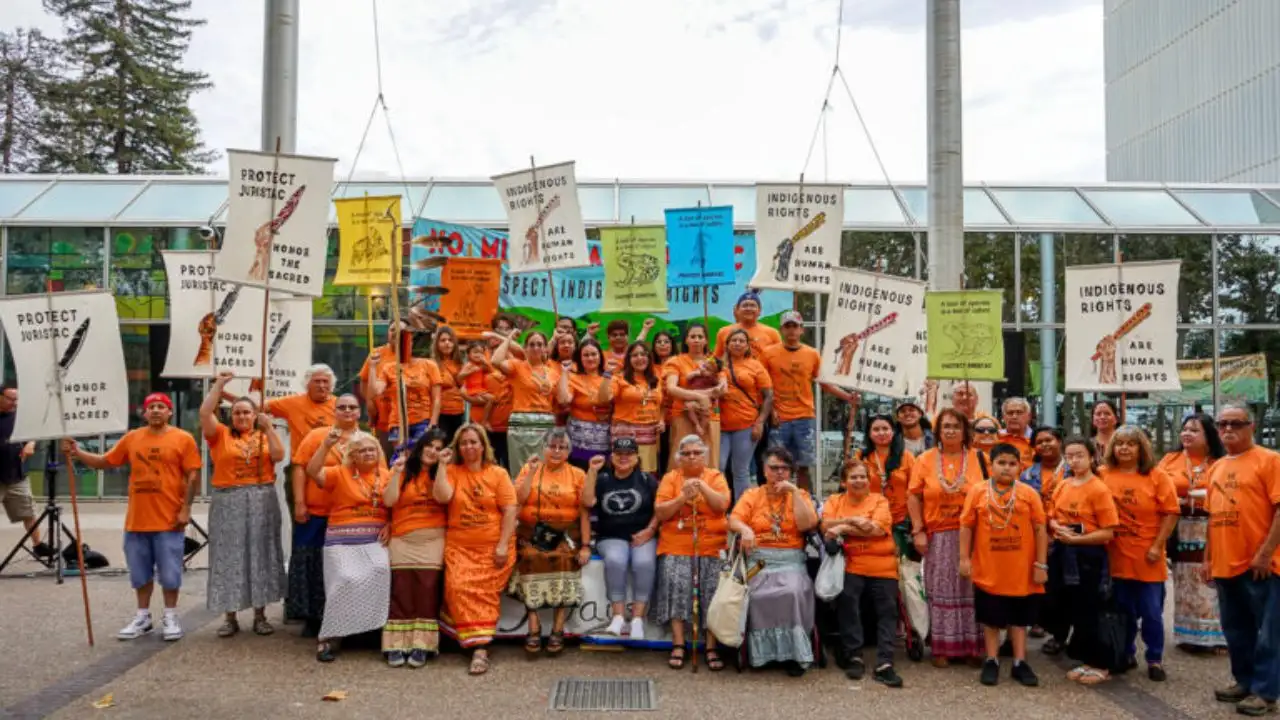
California ranch quarry plan threatened 403 acres before conservation victory
‘Protect Juristac’ reported that the wider project would have included three massive mining pits, a conveyor belt system, new roads and a processing facility roughly the size of 46 football fields. The organisation warned that the development would have permanently altered hundreds of acres of grassland and oak woodland. There were also concerns about the impact on local water. Erosion, runoff and groundwater extraction from the mining operation could have affected Sargent and Tar Creeks, which flow into the Pajaro River.