
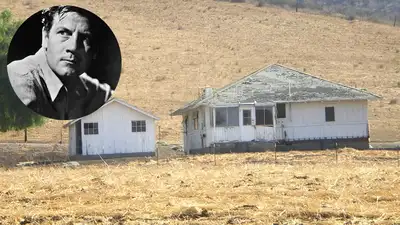
Joel McCrea bought a California ranch in 1933
When Hollywood western actor Joel McCrea bought a large piece of farmland in Santa Rosa Valley in 1933, he wanted a quiet working retreat away from movie sets. Through land transfers and open space donations made by his family, the former 3,000-acre working ranch has provided important areas for conservation. The family officially donated 74 acres as a protected wildlife sanctuary, while also helping arrange the public purchase of another 220 acres to remain as parkland and historic open space. The 74-acre preserve includes rocky cliffs, deep canyons and groups of rare native plants, according to records from the Conejo Open Space Conservation Agency. To protect the sensitive environment, access to the 74-acre wildlife area is strictly limited. McCrea and his wife, actress Frances Dee, built their main home there in 1933. The property was added to the National Register of Historic Places in 1997.
Decades later, the property has moved into public ownership, helping protect hundreds of acres of open land and natural habitat along the northern edge of Thousand Oaks, California. High sandstone bluffs provide important nesting and resting areas for birds of prey, while a year-round water source helps support wildlife in the area. The sanctuary contains protected stands of the rare Conejo rock plant, a plant found almost entirely in this particular part of Ventura County. Reports archived by the Los Angeles Times say the agreement allowed the Conejo Recreation and Park District to acquire the home and surrounding property, protecting it from future suburban development. The deal was helped by a friendship between the actor and Tex Ward, who served as general manager emeritus of the park district. Their relationship helped the family transfer the main ranch property to the district, allowing the surrounding open hillsides to remain protected. McCrea originally bought the land on the advice of his close friend and mentor Will Rogers. Rogers famously encouraged young Hollywood actors to invest in farmland as protection against the uncertain nature of the film business. They raised their three sons while running a working cattle and grain farm. Records filed with the National Park Service say the site has eight historic buildings, including a main house designed by architect John Byers. The house was different from Byers’ better-known Spanish Colonial Revival designs and instead showed an early form of the simple California ranch style.