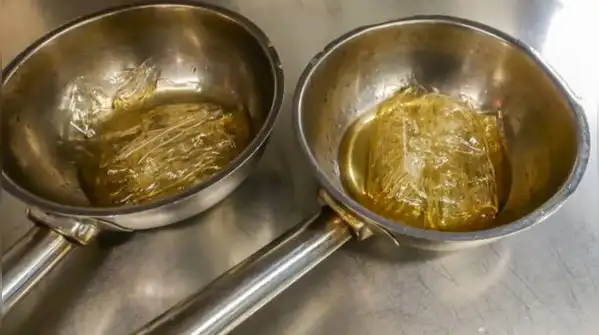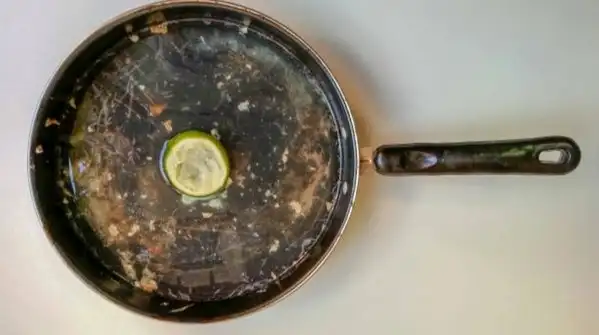
We’ve all pulled a stainless steel pan out of the cupboard and found it just a little sticky, with a dull, greasy film that no amount of regular washing seems to shift. It’s especially common with kadais and pans used for frying or tadka, since oil bakes onto the surface a little more each time. Before you reach for a harsh chemical cleaner, there’s a much simpler fix sitting in your fruit bowl. Lemon is naturally acidic, and that acidity helps break down grease and grime, while a little salt gives it just enough scrubbing power. Here’s how to use it, step by step.
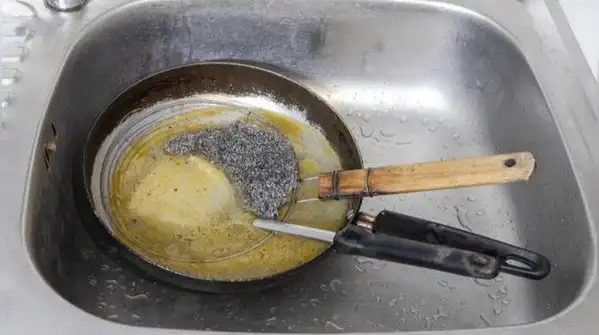
Because water left on stainless steel can leave spots, drying matters,. Rinse the pan thoroughly with warm water so no lemon juice or salt is left on the surface, then dry it right away with a soft cloth. Skip steel wool and harsh scouring pads, which scratch and dull the finish. To keep your pans looking good, soak them soon after cooking, cook on a medium flame, and wipe off oil before it hardens. This article is intended for general informational purposes only. This method is meant for stainless steel pans and is not suitable for non-stick cookware, so always check your pan manufacturer’s care instructions first. Be careful when handling hot water and boiling liquids, and test any cleaning method on a small area before using it on the whole pan.
Loosen the grease first
Because lemon and salt work a little better on a pan that isn’t completely cold, leaving it slightly warm helps in the next step,. This softens baked-on oil, so you won’t have to put in nearly as much effort later. Don’t start scrubbing a cold, greasy pan. Fill it with hot water and a few drops of dish soap, and let it soak for fifteen to thirty minutes. Then drain the water and give the pan a quick rinse.