
Image credit-Canva
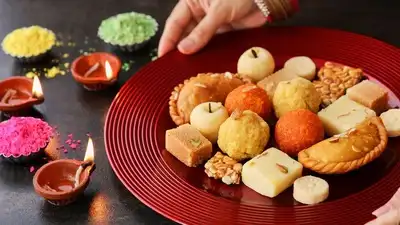
With the Navratri festival leading up to Dussehra ( Vijayadashami ), the preparations for the festivities begin from the heart of the home, the kitchen. With offerings to the gods and goddesses, sweet desserts are offered in different parts of India. From the north to the south, not only is there a shift in language and climate, but also in the food, especially the distinct, decadent dishes that use similar ingredients but are all so unique. A sweet, deep-fried puri, Kadakani is a traditional sweet dish in Maharashtra and is prepared as a ritual offering to Maa Durga. Malida, also known as Malida Muddalu or Malida Laddu, is a traditional sweet dish prepared in Telangana, particularly during Saddula Bathukamma, the grand final day of the Bathukamma festival, which falls during the Dussehra season. Made by combining crumbled ingredients with jaggery and shaping the mixture into round balls, or muddalu, the sweet is prepared as an offering to Goddess Gauri. A traditional sweet enjoyed across parts of North India, particularly Uttar Pradesh, Bihar and Rajasthan, Malpua is a deep fried pancake soaked in sugar syrup. Made using ingredients such as flour, milk and sugar, with variations that include fennel seeds and cardamom, it is known for its soft centre and crisp edges.
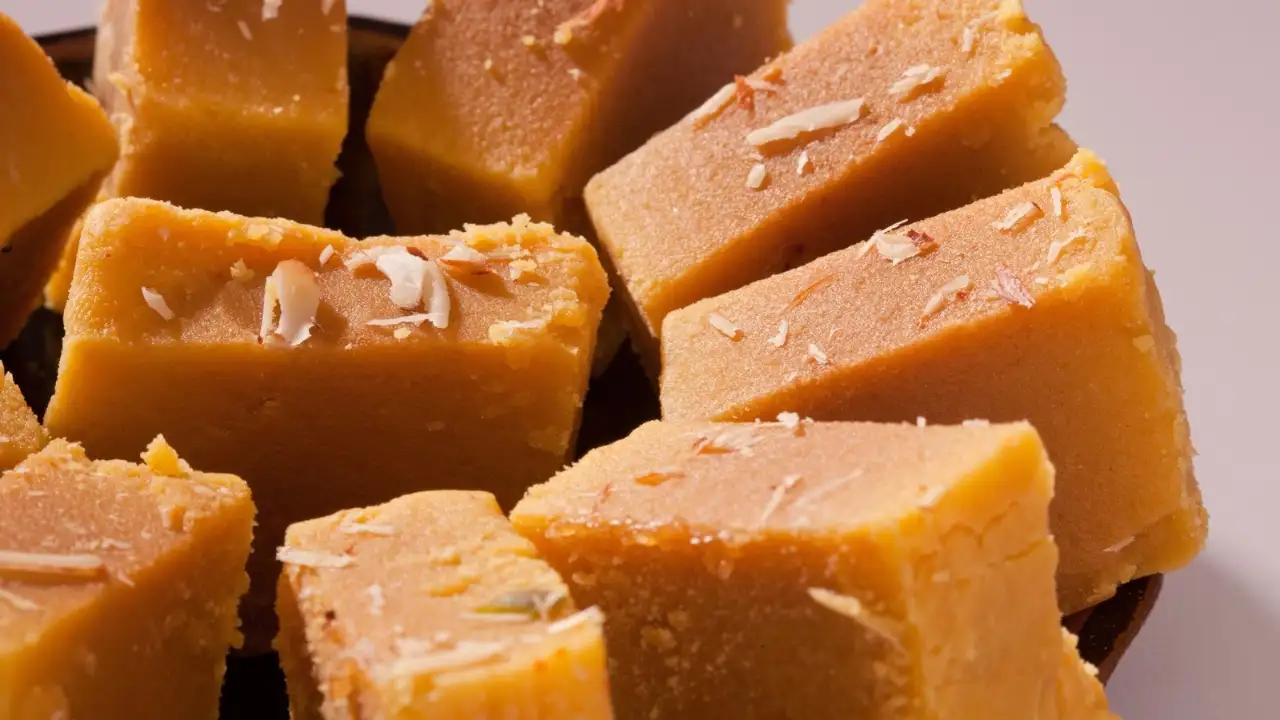
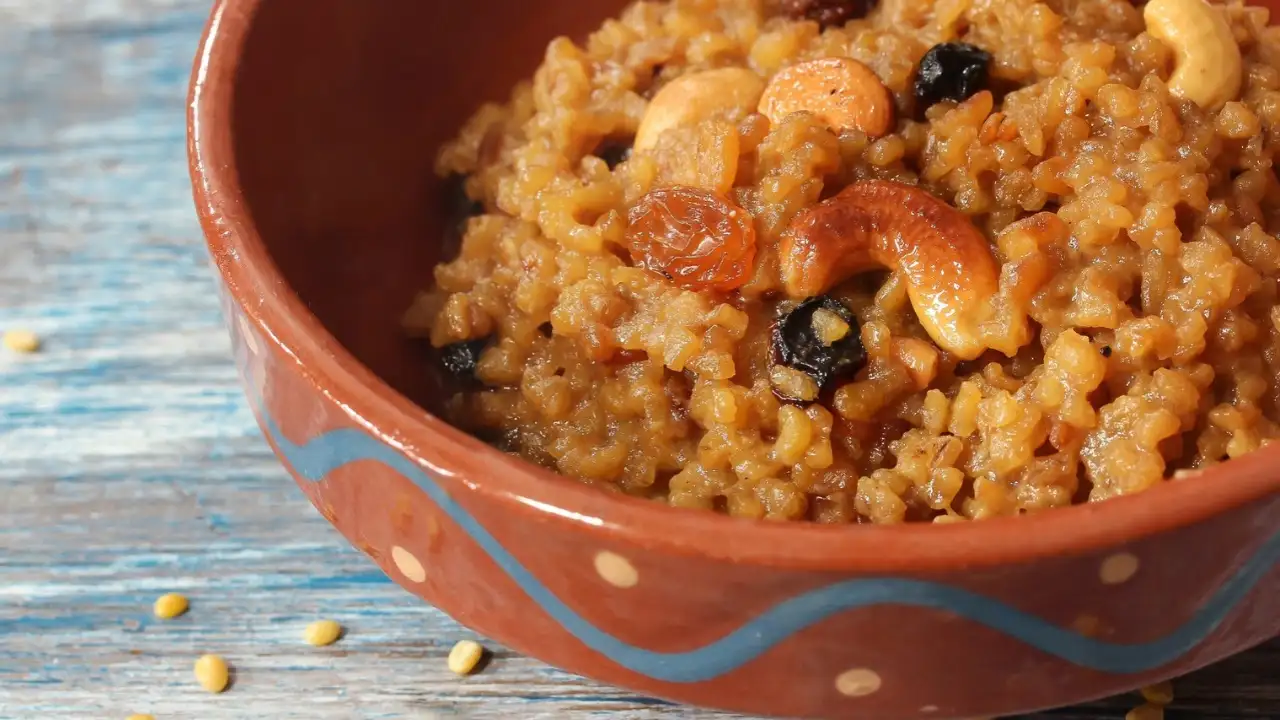
In Karnataka, Payasa, the local term for kheer (milk porridge) , is an essential part of festive meals. Made in different variations using ingredients such as rice, lentils, milk, jaggery or sugar, this sweet preparation is often offered as naivedya to the goddess before being shared with family members. Lauki ka halwa, or bottle gourd pudding, is a sweet dish enjoyed in northern Indian households during festive occasions, including the Navratri fasting period leading up to Dussehra. Made by cooking grated bottle gourd with milk, sugar and ghee, it is often enriched with cardamom and garnished with nuts.