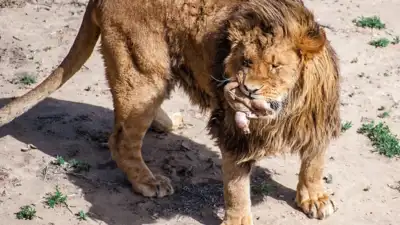
Lion at Wild Animal Sanctuary, Keenesburg, Colorado | Wikimedia Commons
Pat Craig began rescuing captive wild animals in Colorado at the young age of 19, and in 1980, he built his first sanctuary as a small facility on his family’s farm near Boulder. The Wild Animal Sanctuary operates across more than 10,500 acres of natural habitat more than four decades later, and houses more than 400 rescued lions, tigers, bears, wolves, and other animals at its main site near Keenesburg. Craig’s decision came from a visit to a zoo in North Carolina, where a friend showed him that lions and tigers were kept in small cages away from public viewing areas, as they were considered surplus and had no place at the zoo. Deeply troubled by what he had seen, Craig returned to Colorado and began contacting zoos and other facilities to provide homes to animals that might otherwise be euthanised or sold.
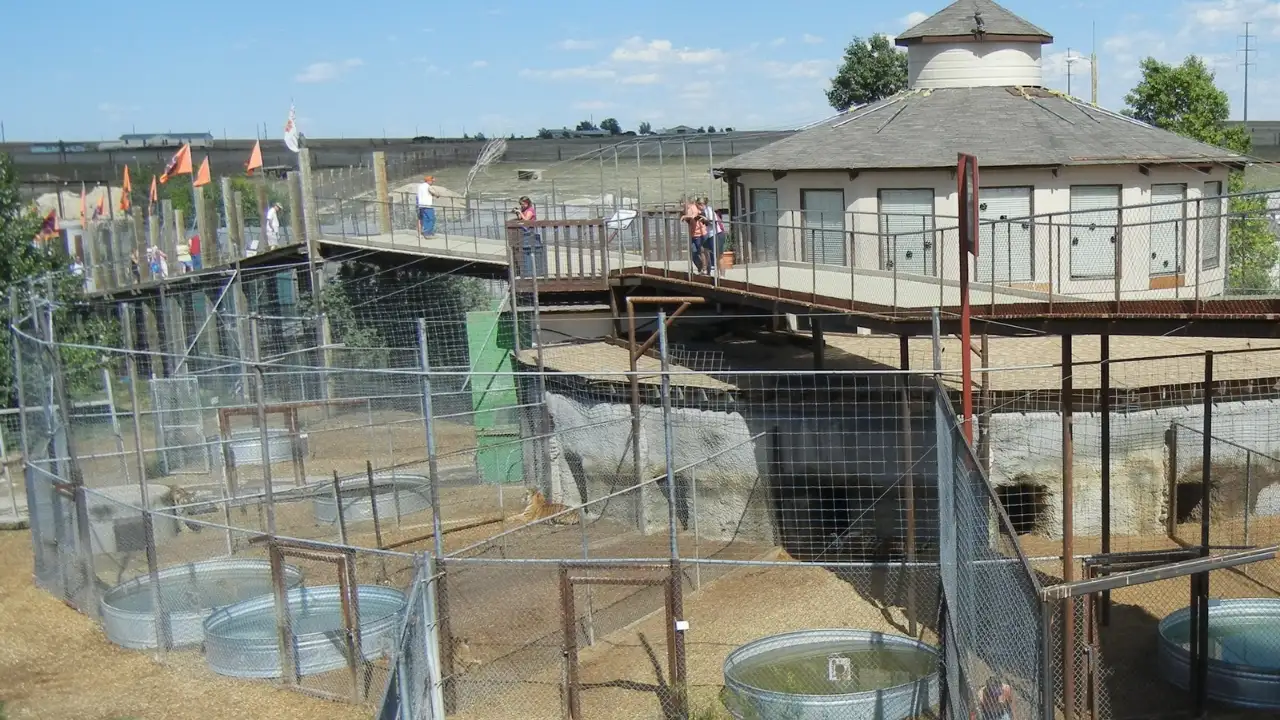
A 2021 report by The Gazette described the sanctuary’s growth from its founding in 1980 to a facility in Keenesburg that housed more than 400 animals. The site covered about 720 acres at the time, and Craig was continuing to expand the organisation’s land holdings. Central receiving compound with upper level education center | Wikimedia Commons A large refuge requires land, food and funding Craig’s organisation began purchasing a large ranch in southeastern Colorado for a second major facility in 2018, and the expansion included thousands of acres that were intended for large habitats, which gave the sanctuary more room to take in animals. A 2019 report by 5280 described the planned expansion near Springfield, Colorado, and included a 9,004-acre ranch purchase and an additional 680 acres of leased land. The founder’s page says that the organisation uses around 100,000 pounds of food each week for the animals across its facilities, and also relies on donations and food that was supplied by a national retailer to manage operating costs.
Craig became the youngest state- and federally licensed zoological director in the country at the time, according to the sanctuary’s official history . The sanctuary moved beyond cages The rescued animals still lived in concrete enclosures with metal bars at first, according to the regulations that governed the facility. Staff consider species and individual behaviour before introducing animals to one another, and the sanctuary says that its work has also involved educating the public and government officials about the conditions in which captive wild animals are kept.
He started off with a small compound on the family farm and took in animals from facilities that could no longer keep them, and moved and expanded the operation later as more animals needed space. Craig began letting them into larger fenced areas during the day, one at a time, and noticed that the animals often returned to their cages at night, which he interpreted as a sign that familiar spaces could provide a sense of security even when larger habitats were available. The organisation’s habitats give animals more room to move than conventional small cages, while safety was maintained by fences and carefully managed groupings. The report also described how animals that were rescued from zoos, circuses and private ownership were given space to live in habitats rather than small enclosures. The report noted that the expansion was designed to increase capacity for rescued lions, tigers and bears. Land is only one part of the work, since staff must provide food, veterinary care, secure fencing and suitable habitats for animals with different needs. The organisation now operates multiple facilities in Colorado, including the large Keenesburg sanctuary and its southeastern Colorado refuge, with its stated focus being the rescue of captive wild animals that have been abused, abandoned, exploited, or kept illegally. You use AI every day. Now get your AI Quotient. Take the AIQ test.
The purpose of the new site was to accommodate animals in habitats that were far larger than the cages in which many had previously lived.