
Polls
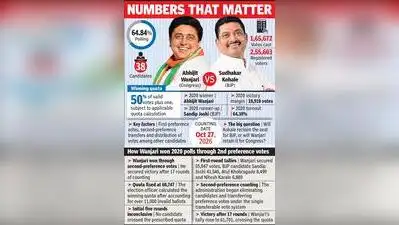
The result, due on Tuesday, Oct 27, is being keenly watched as BJP seeks to reclaim a seat it lost to Congress in 2020 after nearly six decades of dominance. The constituency recorded a final turnout of 64.84%, with 1,65,672 of its 2,55,603 registered voters casting their ballots across six districts. The participation was marginally higher than the 64.38% recorded in 2020. For Wanjari, the 2020 election offers both a precedent and a warning. He defeated BJP candidate and former Nagpur mayor Sandip Joshi by 18,910 votes, winning 61,701 votes against Joshi’s 42,791. Wanjari did not reach the quota in the initial count, and the result was decided after 17 rounds of second-preference counting. In 2020, the omission of around 81,000 voters from the electoral rolls, who voted in 2014 polls, was cited by BJP and political observers as a factor that hurt the party, as many were believed to be its traditional supporters. The electorate has since grown, though the current roll remains below its 2014 size. In 2020, Maha Vikas Aghadi govt led by then chief minister Uddhav Thackeray was in power.
The election has pitted Wanjari, who won the previous contest, against Kohale, backed by the ruling Mahayuti alliance. Nagpur: A day after polling, one question is dominating political discussions across Nagpur division — will BJP nominee Sudhakar Kohale or sitting Congress MLC Abhijit Wanjari secure the quota required for victory in the graduates’ constituency election, or will the contest go down to second-preference votes? BJP, meanwhile, is banking on the advantage of being in power in Maharashtra and the efforts of its top leaders, including chief minister Devendra Fadnavis , Union minister Nitin Gadkari and revenue minister Chandrashekhar Bawankule. The political circumstances have also changed. This time, the BJP-led Mahayuti govt has the advantage of incumbency, while Congress is seeking to retain a seat it wrested from BJP after nearly six decades.