
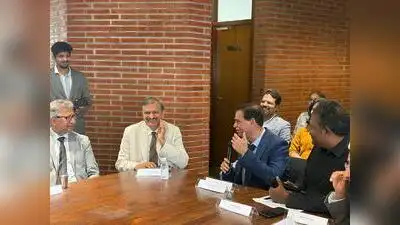
Experts at the roundtable discussion on Protecting Those Who Protect Our City
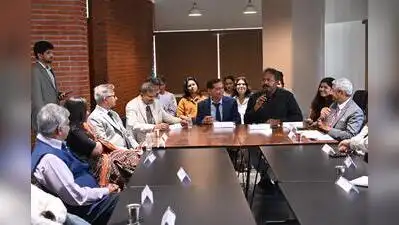
Experts at the roundtable discussion on Protecting Those Who Protect Our City Experts at the roundtable discussion on Protecting Those Who Protect Our City Experts at the roundtable discussion on Protecting Those Who Protect Our City Experts at the roundtable discussion on Protecting Those Who Protect Our City Bengaluru: An occupational health screening of more than 10,000 frontline workers in Bengaluru has found a substantial burden of respiratory abnormalities and cardiometabolic risks among those routinely exposed to traffic emissions, road dust, construction pollution and other workplace hazards. The screening covered 4,517 BMTC employees, 3,287 traffic police personnel, 2,169 construction workers and 379 pourakarmikas. Most participants were men aged 30 to 50, all of whom reported working more than eight hours a day. Among workers with available lung function data, pourakarmikas recorded the highest proportion of reduced lung function, indicated by low forced vital capacity (FVC) on spirometry, at 45%. This was followed by BMTC employees (29.5%), traffic police personnel (28%) and construction workers (15%). Overweight or obesity was recorded in 60.7% of BMTC employees, 51.3% of traffic police personnel, 29.2% of construction workers and 62% of pourakarmikas. Blood sugar levels above 200 were recorded in 63.8%, 50%, 20% and 52.9% of the respective groups. Uncontrolled hypertension was also prevalent, affecting 66.7% of BMTC employees, 25% of traffic police personnel, 76.9% of construction workers and 68.8% of pourakarmikas screened. If 10 people are working in 10 different directions, they are unlikely to arrive at a solution. “We have been waiting for an MoU with BMTC to screen more than 5,000 workers. We also want to follow cohorts over five to 10 years, which will require sustained funding, a clear agenda and institutional support,” he said.
The screening also revealed a significant burden of cardiometabolic risks. You Can Also Check: Gold Rate in Bengaluru | Silver Rate in Bengaluru | Bank Holidays in Bengaluru | Public Holidays in Bengaluru | Bengaluru AQI | Weather in Bengaluru | Petrol Price in Bengaluru | Diesel Price in Bengaluru | CNG Price in Bengaluru | LPG Price in Bengaluru Stay updated with the latest Bengaluru news.
That is the direction policy should take,” said Dr Arvind BA, professor of epidemiology at Nimhans. These interventions must also be sustainable,” he said. Experts must press the government to act,” said Swetavalli Raghavan, adviser to the health department and visiting professor at IISER Thiruvananthapuram. Dr Ravindra Mehta, founder and medical director of VAAYU Chest & Sleep Specialists, said clinical findings must translate into tangible interventions, backed by greater involvement from the authorities.
Conducted over three years by city-based Vaayu Occupational and Environmental Respiratory Illness Clinic (VEROIC), the screening found reduced lung function, overweight and obesity, elevated blood sugar and uncontrolled hypertension among workers, highlighting gaps in the detection and management of these conditions. “We need to consider how to strengthen the occupational healthcare system, protect frontline workers and integrate these findings into existing systems. Dr G Gururaj, former director of Nimhans and a public health advocate, stressed the need to translate existing laws and regulations into action using available evidence. “We need to identify gaps in capacity-building and develop systems to implement interventions effectively. Experts also flagged a lack of coordination among government departments responsible for workers’ welfare, transport and environmental protection. “Everyone is working independently, with little coordination. We need to bring existing laws and systems together to ensure they work in tandem. Awareness alone will not suffice. We regularly prepare reports, but greater involvement from the authorities is needed to ensure these findings lead to tangible improvements. Immediate measures include providing masks and educating workers about the health risks of air pollution. Download the TOI App.
Discussing the findings at a multidisciplinary roundtable titled ‘Protecting Those Who Protect Our City’ on Monday, experts called for a shift from awareness-building to measurable public health interventions, including stronger occupational healthcare systems and better coordination among govt departments.