Image credits: Canva AI
Procrastination is linked to high rates of depression, anxiety, and stress, and it can have physical health effects. It has a significant effect even on our immune system and can make us vulnerable to colds, flu, and other stress-related illnesses. Fuschia Sirois and Timothy Pychyl’s research paper, called Procrastination and the Priority of Short-Term Mood Regulation: Consequences for Future Self, frames procrastination as short-term mood repair. It’s tempting to treat this as a harmless quirk. Psychologist Fuschia Sirois has found this in students and in adults in the wider community. Stress also reaches the body. It affects the immune system, so people under chronic stress get more colds. Image credits: Canva AI Psychologists define it as voluntarily delaying something you intend to do, even though you expect to be worse off for the delay. Nobody is forgetting or running out of hours. You know what needs doing, and you do something else. Sirois and her colleague Timothy Pychyl see this as a failure of self-regulation, our ability to act on long-term goals when the moment pulls us elsewhere. They argue that emotions sit at the centre of it.

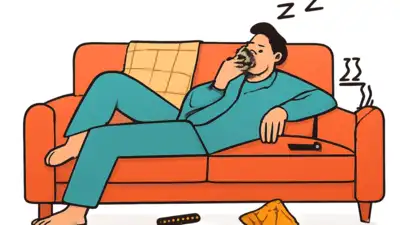
Procrastination says little about your character or your time management. Some tasks are easy to begin. Others are dull, frustrating, confusing, or seem pointless, and they put us in a bad mood before we’ve written a word. The payoff is usually distant too. The grade, the pay cheque, or the fitter body is weeks away, while the discomfort is here now. Highly conscientious people can often start anyway. Procrastination shows up when that self-control isn’t available, whether from temperament or a bad day. Psychologists Dianne Tice and Ellen Bratslavsky linked this kind of lapse to the urge to feel better right away. Answering email, scrolling, or rearranging a drawer gives quick relief, and the brain takes note. Researchers call this short-term mood repair, and it explains why a habit that makes life harder can feel sensible while you’re doing it. When you postpone a task, it doesn’t vanish. It goes to a future version of you, who inherits the deadline and the pressure that comes with it. Mostly, it’s a way of handling uncomfortable feelings that happens to cost you later. You don’t need to feel motivated before you begin. When you delay a task, it does not disappear; it is passed on to the future version of you who has to face the deadline and the pressure that comes with it. You use AI every day. Now get your AI Quotient. Take the AIQ test Get the latest Lifestyle News and more. Download the TOI app.
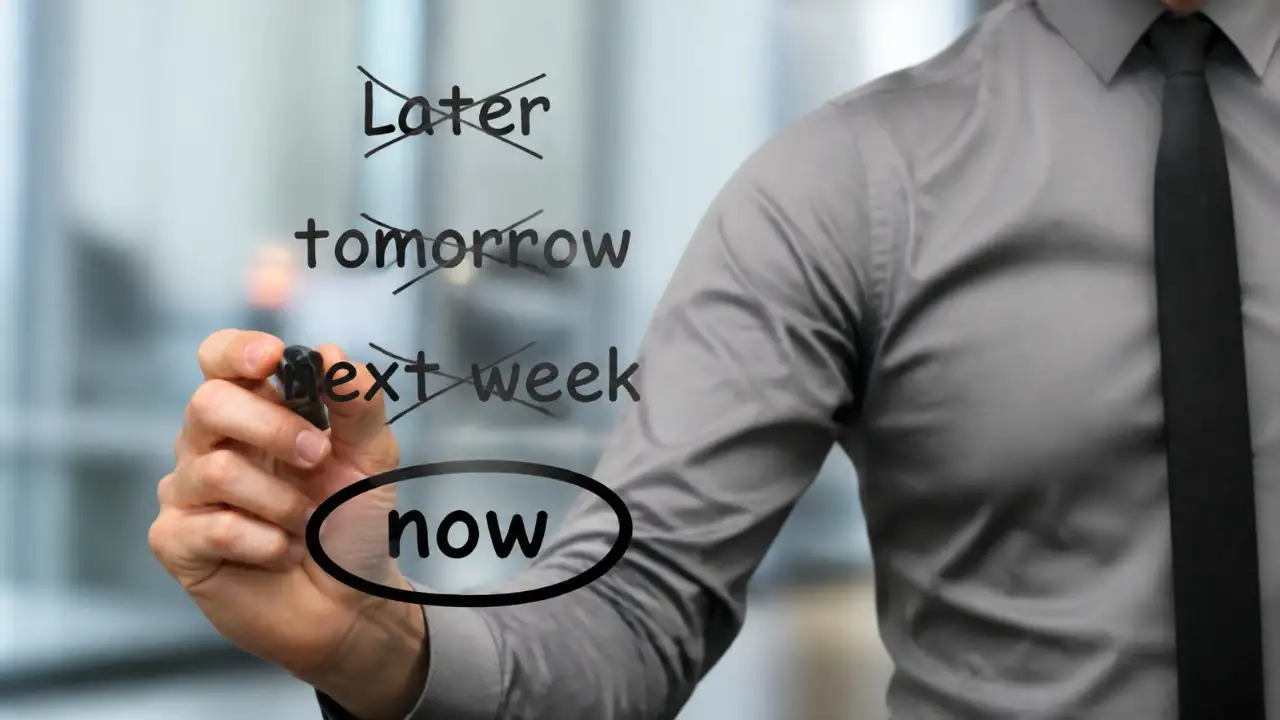
But as procrastinators, we rarely think of it that way; we are optimistic about tomorrow and believe it will be different. We tend to believe that we will be a different person tomorrow, but that is not always true.
You’re allowed to stop after that, though you often won’t. That’s really a bet that we’ll be a different person by then. This helps explain why putting things off feels so easy. The unpleasantness of the task is vivid, and the cost belongs to someone who doesn’t feel quite like us yet. Research suggests people often do feel some distance from their future selves, which makes it easier to hand things off. Procrastinating rarely leaves us feeling good for long. Guilt arrives, then stress, then a voice calling us lazy. Those are bad moods as well, and the fastest way out of them is to avoid the task again. Harsh self-criticism feeds the same loop, even though many of us use it as motivation. Over months, the stress, the poor sleep, and the pile of unfinished work add up to real harm for mental and physical health. Image credit: Canva AI If procrastination is mostly about handling feelings, a better to-do list will only go so far. A few ideas follow from the research. Start by working out what the task makes you feel. Boredom, worry, and fear of doing it badly each call for a different response. Make the first step small enough that it barely counts. Open the document and write one sentence. Put your shoes on and walk to the end of the road. Forgive yourself when you slip. Psychologists have found that students who forgave themselves for procrastinating on one task tended to procrastinate less on the next. Dropping the guilt removes some of the bad mood that sends people back to avoidance. Finally, make your future self real.
We say tomorrow will be different, with more energy, more focus, and a better mood. Meanwhile, we pick today’s comfort over the problems that person will face. Picture them tomorrow night or next week, and what their evening looks like if you start now versus if you don’t.