
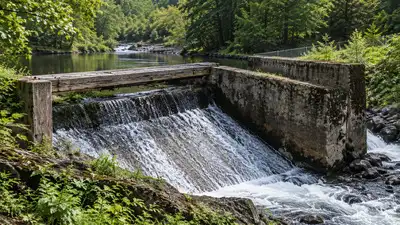
Representative AI image of an ageing Vermont dam surrounded by woodland. (Image Credits: ChatGPT)
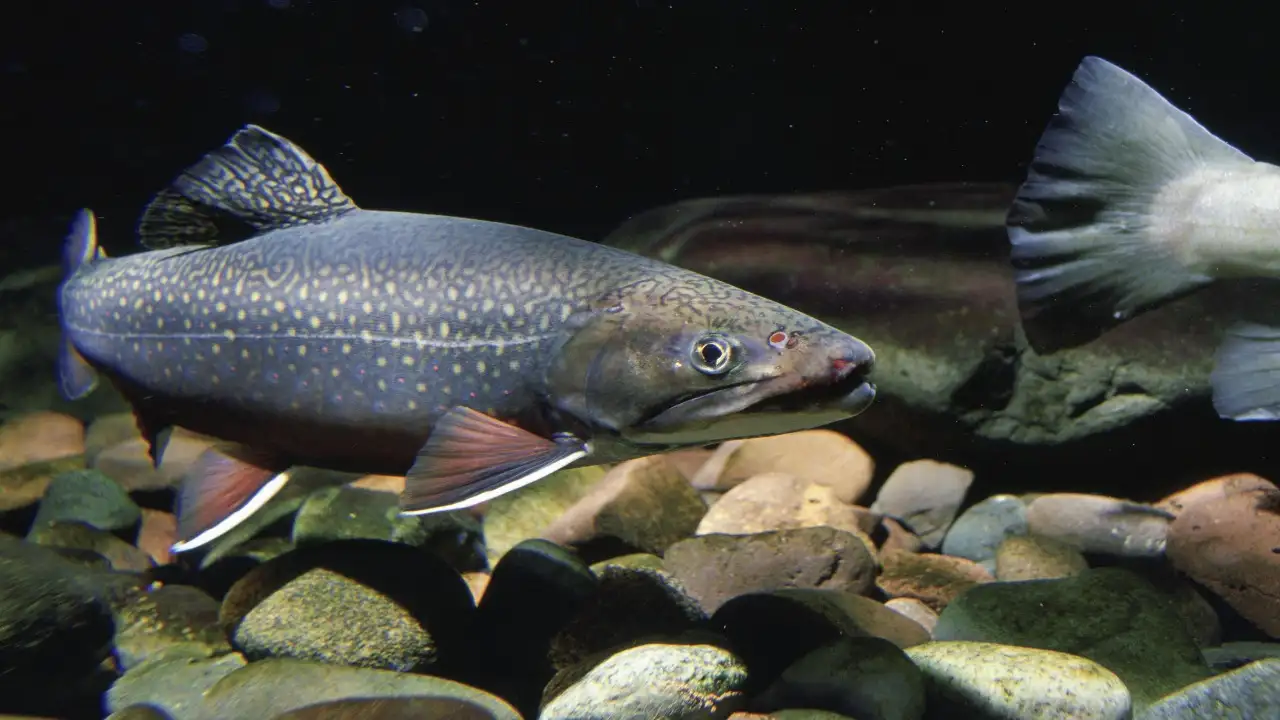
The Vermont Natural Resources Council reported that the project would reconnect 26 miles of aquatic habitat and remove the final barrier to the Dog River headwaters. Subsequently, the Eastern Brook Trout Joint Venture described the completed project as reconnecting approximately 26 miles, roughly six miles of Bull Run and 21 miles of upstream habitat, inclusive of smaller tributaries. The dam’s condition had implications for both the surrounding property and the river system. A partial breach during the late twentieth century had not eliminated the obstruction, and sediment continued to accumulate behind the remaining concrete. The Eastern Brook Trout Joint Venture identified the structure as a barrier to aquatic organism passage and recorded concerns about flooding, erosion, and sediment reaching the Dog River. The restoration allowed the river to regain access to its floodplain and provided space for water to spread during high flows and supported channel stability. The removal of the barrier enabled native brook trout to reach additional upstream habitat, including colder sections of the watershed that can provide refuge as summer temperatures rise.
The removal project was initiated by Friends of the Winooski River in 2018 and commissioned MacBroom, Inc. to undertake a feasibility study and prepare the design. The permit and fundraising started in 2019, before Hilltop Construction carried out approximately twelve weeks of excavation during the summer of 2020. The financial and technical support came from the Eastern Brook Trout Joint Venture, Lake Champlain Basin Program, The Nature Conservancy, US Fish & Wildlife Service, Vermont Department of Environmental Conservation, and Vermont Natural Resources Council.