Rick Senko turned a $35 cellphone purchase into the beginning of a multimillion-dollar resale business. (Photo: CNBC Make It)
In 2008, with few job opportunities available, he bought a replacement phone on Craigslist for $35 and listed it on eBay for $70. Nearly two decades later, the 41-year-old entrepreneur from South Florida has built a multimillion-dollar business selling pre-owned clothing. Senko generated $6.5 million in sales in 2024, turning his knack for finding bargains into a thriving wholesale operation, according to CNBC Make It. He became a father at 18, and by 2008, he was struggling to find employment amid the economic downturn. “That was a light bulb moment, and I’ve been doing that ever since for almost 20 years. The Florida entrepreneur started flipping electronics on eBay in 2008 before moving into pre-owned clothing. (Photo: CNBC Make It) Senko’s business relies on spotting valuable items where others might see unwanted goods. A vintage Abercrombie & Fitch item purchased for $10, for instance, could sell for around $100 or more. He also showed two Burberry trench coats bought for $40 apiece, estimating that one could fetch $250 to $300 and the other around $200.
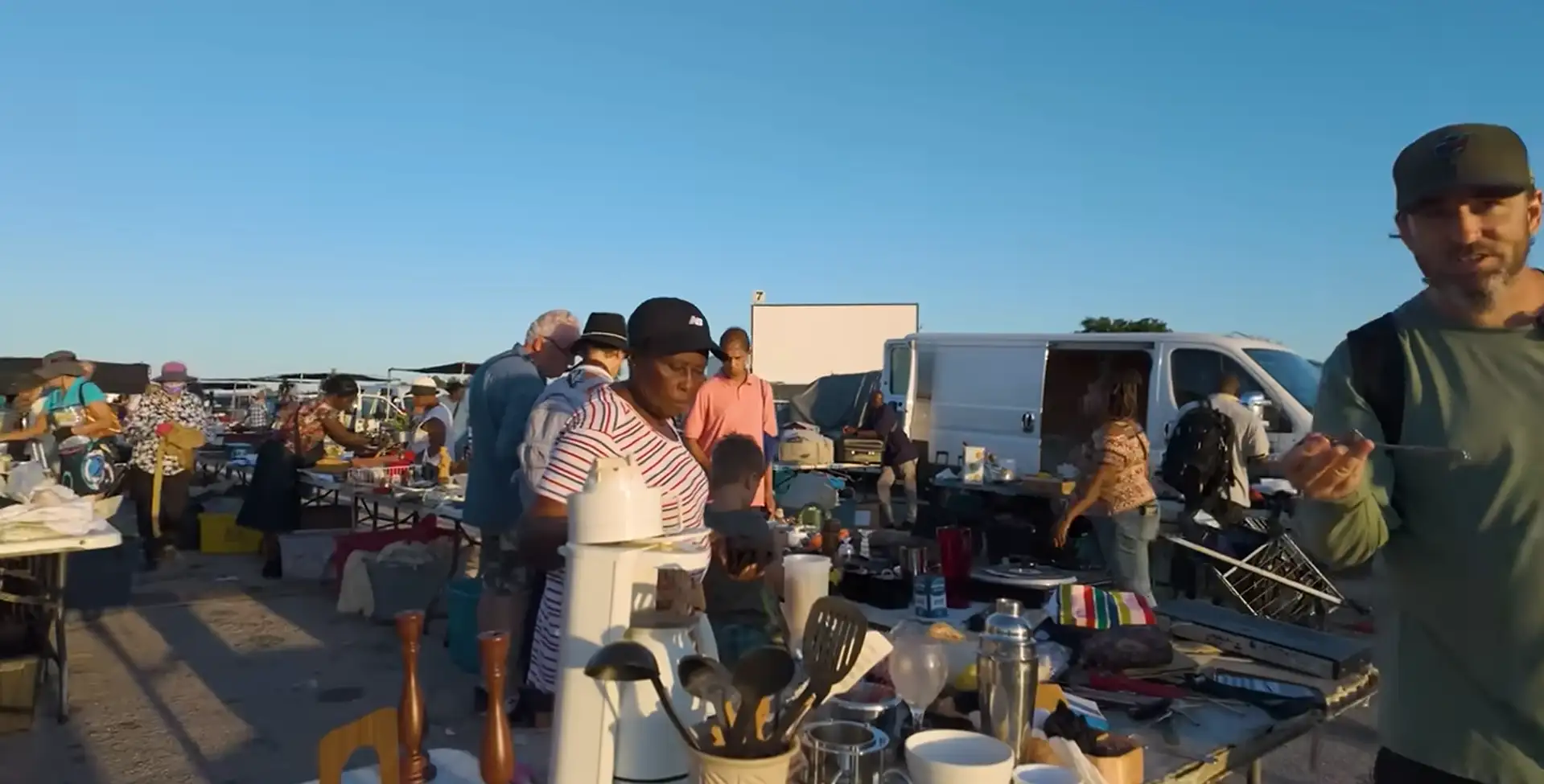
“I had the bright idea to go onto Craigslist, buy the phone for $35, list it on eBay for $70, and it sold the same day for $70,” Senko told CNBC Make It. Rick Senko was unemployed, broke and raising his five-year-old son alone when a broken cellphone changed his life. It sold the same day, giving him his first glimpse of the money-making potential of reselling. But his journey from an unemployed single father to a successful entrepreneur has involved years of relentless work, early mornings and personal sacrifices. Senko grew up in South Florida with a single mother who worked as a waitress at Denny’s. With a young son to support and little money to spare, he began looking for alternative ways to earn a living. When his cellphone broke, he went on eBay to check the cost of a replacement. That led to an idea that would eventually shape his career: buying an item at a lower price and selling it for a profit. Rinse and repeat. He initially focused on electronics before gradually moving into pre-owned clothing. What began as a way to make ends meet eventually became a full-fledged business built around identifying undervalued products and finding buyers willing to pay more for them. His search often begins at flea markets, where he arrives before sunrise to get first pick of the merchandise. During CNBC Make It’s visit, he demonstrated how seemingly ordinary finds can translate into substantial profits.
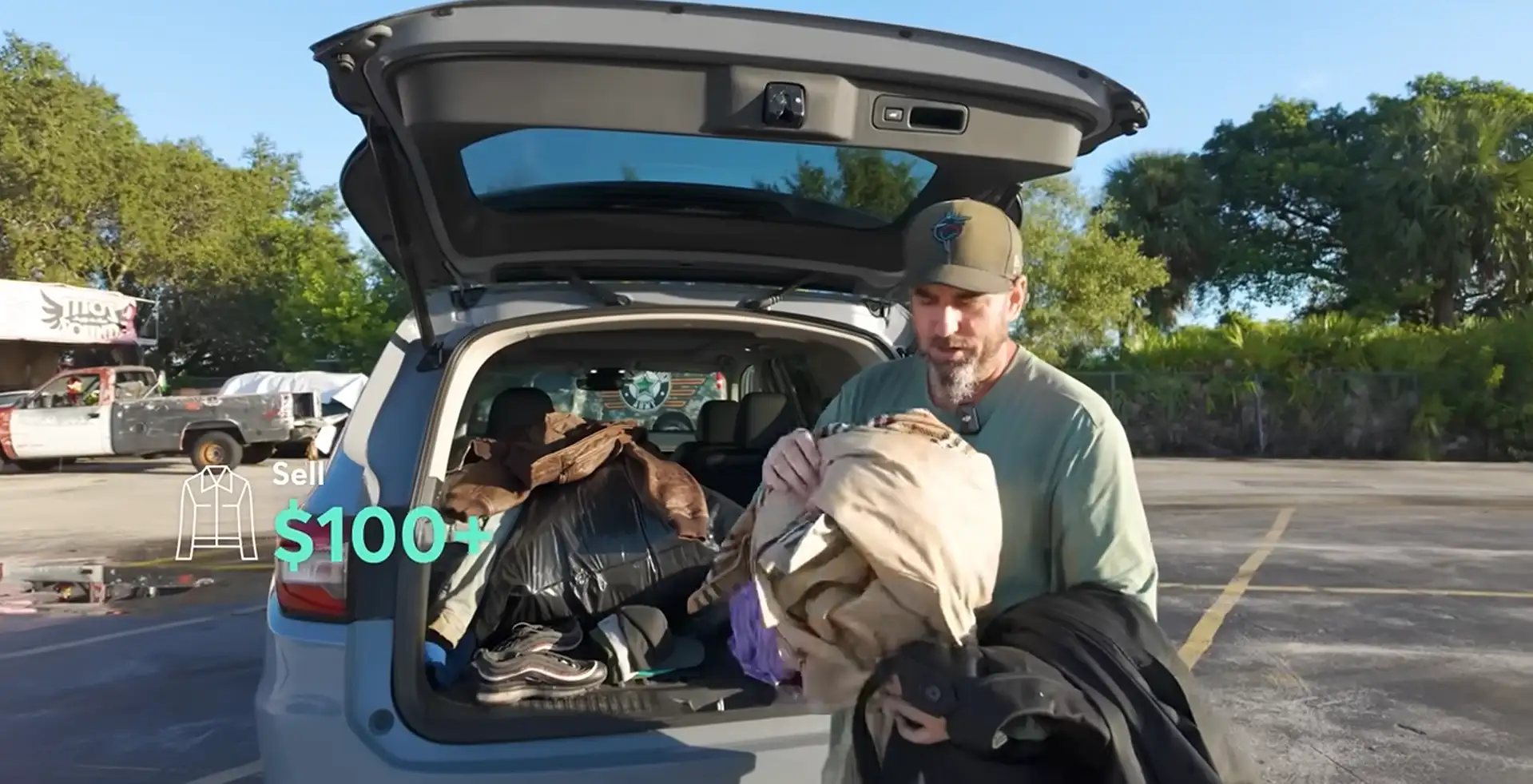
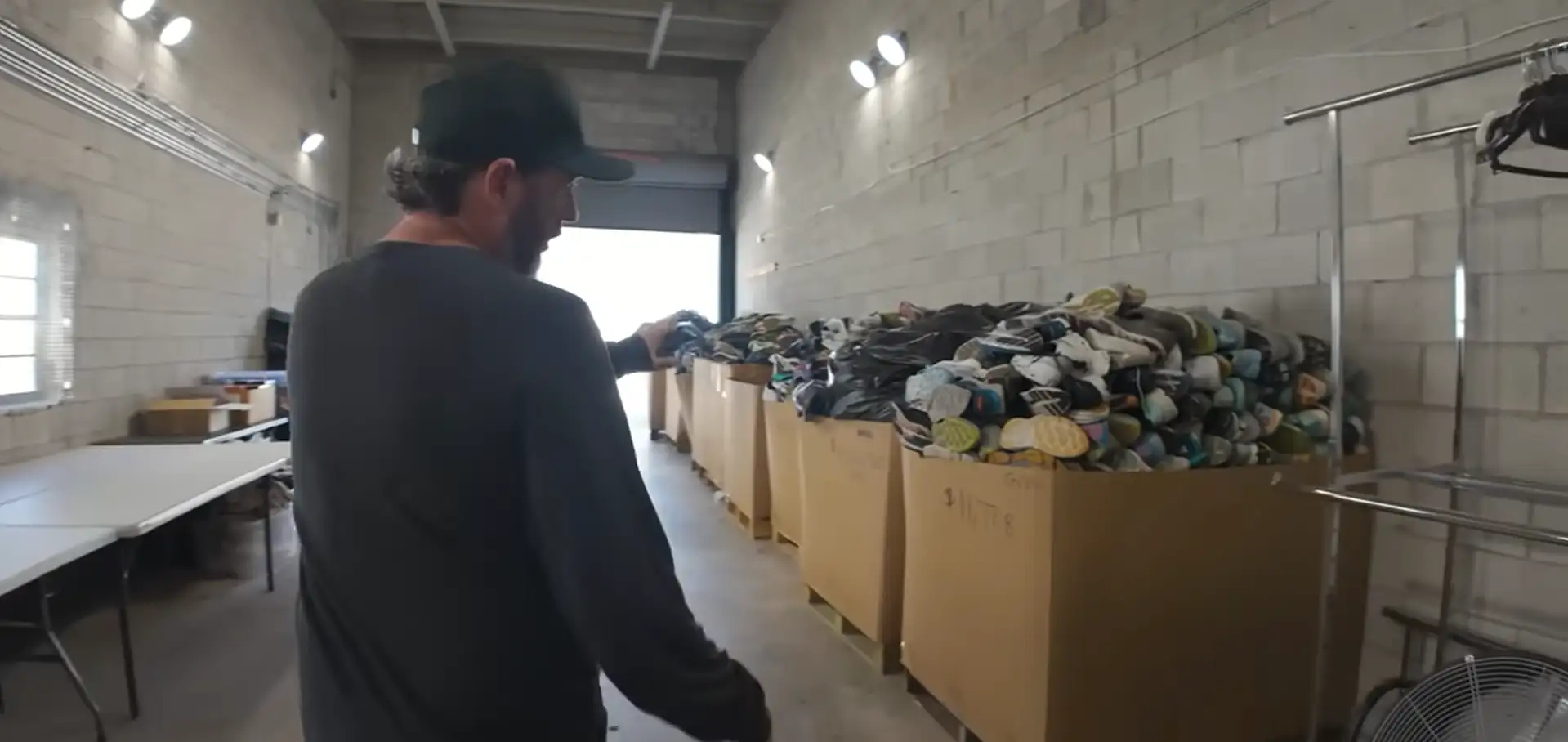
Senko sources second-hand fashion, including Burberry trench coats bought for $40 and estimated to sell for hundreds. (Photo: CNBC Make It) Senko’s persistence helped him scale beyond individual transactions. Recalling the peak of his eBay business on April 14, 2021, he said the operation was generating around $2.5 million annually, with approximately 50,000 items listed in the store and 100,000 items sold each year. From an unemployed single father to a business owner generating $6.5 million in annual sales, Senko’s journey spans nearly two decades. (Photo: CNBC Make It) By 2024, Senko’s business was generating $6.5 million in annual sales. He said customers order directly from him, with the operation processing roughly 1,000 pieces a week for resale. Speaking to CNBC Make It, he said he anticipated considerably higher sales in 2025, although the interview excerpt does not provide a final figure for that year. “I have never taken a day off in almost 20 years. “When you unlock the power that this is, the ability to multiply money to take $5, put it onto eBay and sell something and get $25 back.
“Because if we didn’t get it, it would have been in the trash.
“Everyone’s here looking for deals,” he said, describing the people who come to the market to source products for resale. Explaining why he sometimes pays more than the lowest possible price, he said, “We all gotta make some money. He said he eventually became eBay’s number one seller in pre-owned men’s clothing, building a substantial online operation. “I believe it was a lot of tenacity and I had a lot of consistency,” he said. Senko said he regularly comes across designer scarves, premium clothing and other branded items that might otherwise end up in the trash. “I think you understand very quickly the amount of waste that’s in the United States of America when people are discarding Hermes scarves,” he said. He said he has not taken a day off in nearly two decades, a commitment he connects directly to the opportunities that reselling has given him. I get after it every single day,” he said. I don’t get it,” he said. Reflecting on his journey, he said the transformation from being broke and unemployed to running a multimillion-dollar operation came with considerable demands on his time and personal life. “It also took a tremendous amount of work, a tremendous amount of commitment, and a tremendous amount of sacrifice to get from where I came from to now selling millions of dollars per year and living a very, very fortunate life,” he said.
The challenge lies in knowing what to buy, how much to pay and whether an item is authentic. Senko examines labels, logos and other identifying details to distinguish genuine products from counterfeits, a particularly important skill when dealing with sought-after brands. For him, the flea market is more than a place to shop. It is an ecosystem of small businesses, each with its own specialisation and customer base. He also believes that making a profit should not come at the expense of the people supplying the merchandise. He added that if sellers stopped earning enough to return to the market, his own business would suffer too. He attributes that growth to consistency rather than a single breakthrough. “And every single day I woke up and I did my job to the best of my ability. Over time, however, his business model evolved again. Rather than selling every item individually to consumers, he moved into wholesale, supplying other resellers who then process, list and sell the products themselves. His wholesale operation supplies other resellers with large volumes of pre-owned merchandise, including clothing, shoes, accessories and even video game collections. The scale of the business reflects how far he has moved from buying and flipping a single cellphone. Senko also expects the business to grow further. The business also highlights the amount of usable merchandise that is discarded in the United States. By finding new buyers for these products, his business gives pre-owned goods another chance at being used while creating an income stream for the resellers who purchase them. For all the impressive sales figures, Senko’s story is also one of relentless work. Never. How much? He explained that once someone understands how a small investment can multiply into a much larger amount, it becomes difficult to switch off from the pursuit. How in the world can you rest? His drive also comes from experiences within his family. Senko recalled that his grandfather stopped working and died two weeks later, an event that left a lasting impression on him. He suggested that the experience reinforced his instinct to keep moving forward rather than stop working. Senko is candid that building a business of this size has required far more than an ability to spot bargains. You use AI every day. Now get your AI Quotient. Take the AIQ test.