
Police dogs and their handlers often form deep emotional attachments over the course of training and duty
Sniffer dog Siba and her handler, hawaldar Ganesh Phopale, in Pune rural police in 2021; Siba had helped locate a man accused of a brutal rape-assault and was instrumental is solving a highway robbery case Police dogs and their handlers often form deep emotional attachments over the course of training and duty Police dogs and their handlers often form deep emotional attachments over the course of training and duty Sniffer dog Siba and her handler, hawaldar Ganesh Phopale, in Pune rural police in 2021; Siba had helped locate a man accused of a brutal rape-assault and was instrumental is solving a highway robbery case Police dogs and their handlers often form deep emotional attachments over the course of training and duty Police dogs and their handlers often form deep emotional attachments over the course of training and duty Pune: State Criminal Investigation Department (CID) will allow police dog handlers to keep their sniffer dogs with them after the animals retire from service. “We prepared the Dog Manual recently, and it was approved by state govt on Sept 21 this year. It is a 154-page manual,” said additional director general of police (CID) Sunil Ramanand. The amount is approximately Rs12,000 per month. Police units across the districts and commissionerates in the state currently have 366 sniffer dogs. More than 30 dogs are undergoing training at the CID’s dog school in Shivajinagar. The facility will be able to accommodate 100 puppies for training, along with 200 dog handlers.
You Can Also Check: Gold Rate in Pune | Silver Rate in Pune | Bank Holidays in Pune | Public Holidays in Pune | Petrol Price in Pune | Diesel Price in Pune | CNG Price in Pune | LPG Price in Pune Stay updated with the latest Pune news.
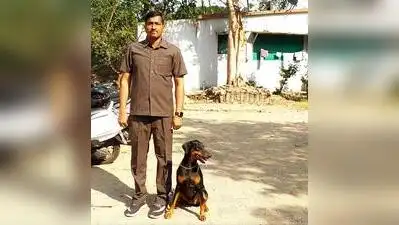
“Dog handlers are emotionally attached to the canines, and it is better if they continue to keep them,” Ramanand said. Each dog is assigned two handlers, according to CID officials. A dog handler, who is undergoing training at Shivajinagar school, told TOI , “My dog and I are close to each other.
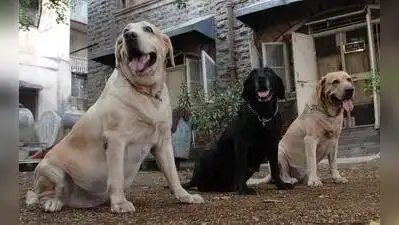
The move is aimed at preserving the emotional bond between the dogs and their handlers, who spend years working and training together. It is also a bid to prevent the animals from suffering depression after being separated from familiar surroundings and people. Under the new manual, state govt will continue to provide financial support for the dog’s upkeep until its death. The dogs and their handlers undergo training together at the facility, developing a close relationship in the process. After training, the dogs and their handlers report for duty to their respective police units in the state and continue to remain together. State CID is also developing a dog training school in Baramati. CID trains dogs for various policing duties, including tracking suspects from theft, robbery and murder scenes, detecting drugs and narcotics, and identifying explosives. The latter are part of the bomb detection and disposal squads (BDDS). These dogs, particularly those attached to BDDS units, are also deployed for VIP security. The dog is just nine months old and he is like a baby for me. There is an emotional bond between us. He doesn’t speak my language but we can communicate seamlessly. The CID generally enlists breeds like German Shepherds, Dobermans, Belgian Malinois and Labradors in their units. Each dog undergoes nine months of training with the two assigned handlers. State CID has prepared a new Dog Manual for police dogs across Maharashtra, which was approved by state govt in Sept. It applies to the Dog Training School run by CID and police units that have canine squads. The manual lays down guidelines for the dogs’ day-to-day functioning and provides details about different breeds and their capabilities in various fields of policing. It also covers their training, medical care and diet. Download the TOI App.
Earlier, police units used to hand over retired dogs to individuals or non-governmental organisations (NGOs).
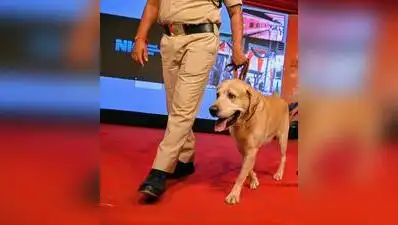
After retirement, the dog can be taken home by one of the handlers,” Ramanand said. “During this process, the dog and its handlers become a family. There is an emotional attachment between them. New dog manual comes into effect