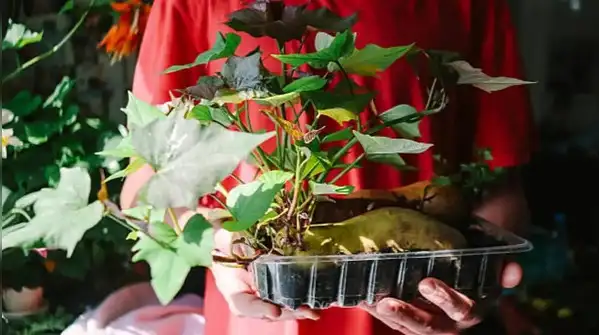
Sweet potatoes look like something that needs a big field, but they’re surprisingly happy in a large pot on a sunny windowsill or balcony. They also grow from a single root you might already have in your kitchen, which makes them one of the most rewarding projects for a beginner. Start with slips, give them warmth, light and a deep container, and be patient for about three to four months. Here’s how to grow your own, with a few honest notes on what to expect.
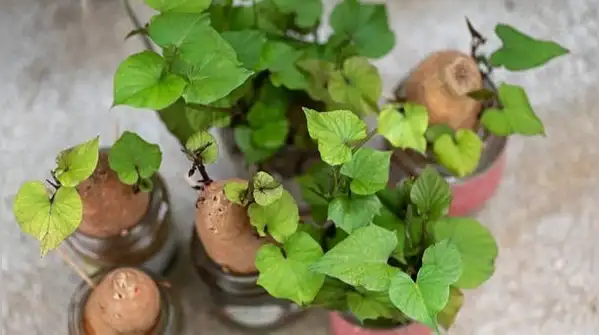
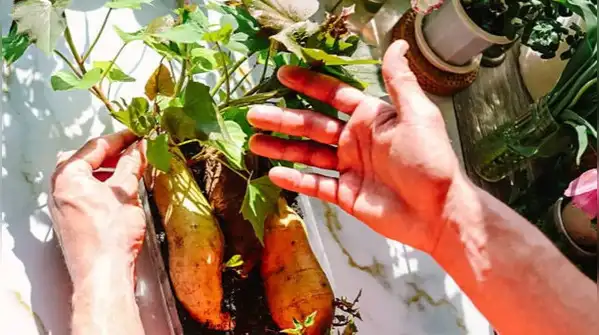
After about six to eight weeks, they should reach 6 to 12 inches long, with leaves and roots. Keep them warm, since sweet potatoes dislike the cold and won’t grow well below about 18°C. A container at least 12 inches deep is a good minimum, and a 10-gallon pot can support two or three plants, while a 20-gallon container can handle four to six. Most varieties are ready in about 90 to 120 days, when the leaves begin to yellow. Don’t wash them, and cure them first by keeping them warm and humid for 5 to 14 days, at roughly 80°F (27°C), which improves the flavour and helps them keep. Store them afterwards in a cool place, around 60°F (15°C).
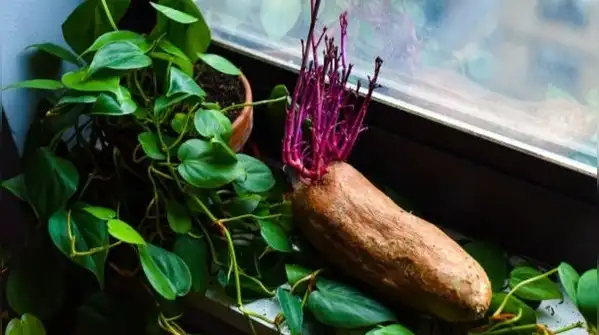
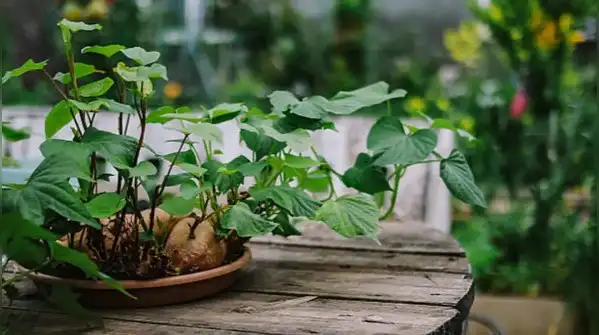
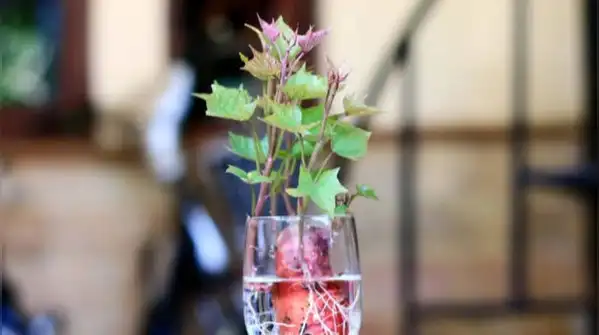
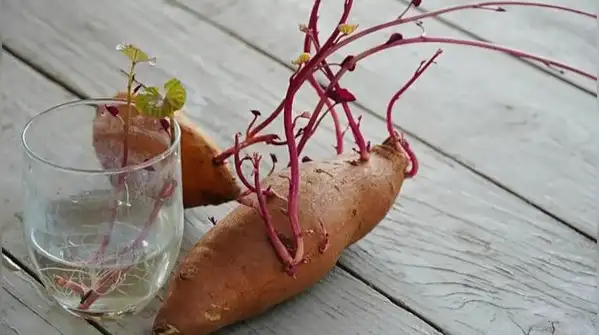
Choose a firm, smooth root with no soft spots, ideally organic, since some shop-bought roots are treated with sprout inhibitors and may not grow. Push three or four toothpicks around the middle, then suspend the root with the pointed end up in a jar of water, so the bottom half is submerged. Place it somewhere warm and bright, change the water every few days, and wait. Small shoots, called slips, will appear in a few weeks. Be patient while the slips grow. Gently twist each one off the root, then stand it in a glass of water for a few days so more roots form. Slips are the baby plants you’ll actually plant, and a single root can produce many of them. This is where many people go wrong. The edible part grows underground, so it needs space. Fill it with loose, well-draining potting mix with some compost, and make sure it has drainage holes. A too-small pot can lead to small, curly sweet potatoes or fewer than you hoped. Set each slip about four inches deep, with the leaves above the soil, and water well. Place the pot where it gets lots of bright light, ideally six to eight hours of sun, or under a grow light. Water deeply whenever the top inch of soil feels dry, then let it drain. Go easy on fertiliser, and choose a low-nitrogen one, since too much nitrogen gives you lots of leaves and few roots. The vines will trail, so give them room or train them up a small support. Dig carefully by hand, since the skin bruises easily. The young leaves are edible too, and can be cooked like spinach. You can start slips and keep the vines going throughout the year if you have warmth and plenty of light, and a fresh batch of roots every few months is possible. But container yields are usually smaller than in the ground, and the harvest depends on temperature and sunshine. Treat your indoor sweet potatoes as a fun, steady crop, not a year-round supply, and enjoy the leaves along the way. This article is intended for general gardening guidance only. Growing conditions, timelines and yields vary with variety, temperature, light and container size. Keep sweet potatoes away from frost, and consult a local nursery or horticulture expert for region-specific advice.