

Growing your hair out takes serious, test-your-limits patience. One month, you swear it’s actually getting somewhere, and the very next, you find yourself staring in the mirror at the exact same collarbone length. Sound painfully familiar?
For most people, the realistic average is about half an inch (around 1.25 cm) per month. Healthy hair starts way before you even reach for your shampoo bottle. Your body requires raw, actual nutrients to build strong strands, and a trash diet will show up almost instantly in the form of dullness, thinning, or sudden hair fall. Make sure you’re getting plenty of quality protein, considering your hair is literally made of a structural protein called keratin. Eggs, lentils, beans, cottage cheese, fish, and nuts are all solid choices to keep in heavy rotation. Iron, zinc, and vitamin D also play massive roles in keeping your follicles firing on all cylinders. Toss plenty of leafy greens, seeds, whole grains, and a colorful mix of fruits and veggies into your daily meals. And please, don’t just blindly order expensive hair gummies the second you spot a few extra strands in the drain. If you suspect an actual nutritional deficiency, get a blood test before popping random supplements. Scalp massages are one of the simplest yet most effective ways to stop hair fall. Massaging the scalp increases blood circulation, which in turn stimulates hair follicles and promotes hair growth. It also helps in relieving stress, which is another common cause of hair loss. You don’t need a dramatic chop every couple of weeks. Just get a light dust off the ends the second they start looking thin, crunchy, or frayed. That ultra-snatched ponytail or slicked-back clean-girl bun looks great, but yanking your hair back tightly every single day puts intense, constant stress on the roots. Over time, that relentless tension can trigger traction alopecia – a very real form of hair loss caused by continuous pulling on the hair follicles. Mix up your routine with loose braids, relaxed low ponies, or claw-clip styles that don’t tug at your hairline. Swapping thin elastic bands for soft silk scrunchies also cuts down on friction and snapping. Be equally careful with chemical processing. Constant bleaching, heavy dye jobs, and chemical straighteners break down the hair’s internal bonds, leaving it fragile and prone to breaking mid-shaft. Hair doesn’t grow overnight. Your genetics, age, hormones, diet, and overall health all dictate your personal speed limit. So, instead of blowing your money on every hyped-up growth oil or viral miracle hack, stick to the basics. Eat real food, take care of your scalp, protect your ends from unnecessary damage, and give it time.



How to do it: Use your fingertips (not nails) to gently massage your scalp in circular motions for about 5-10 minutes. Doing this regularly (2-3 times a week) can boost the health of your scalp and hair, leading to reduced hair fall. Hair grows strictly from the scalp, not the bottom, so cutting the ends won’t magically make your roots grow faster.
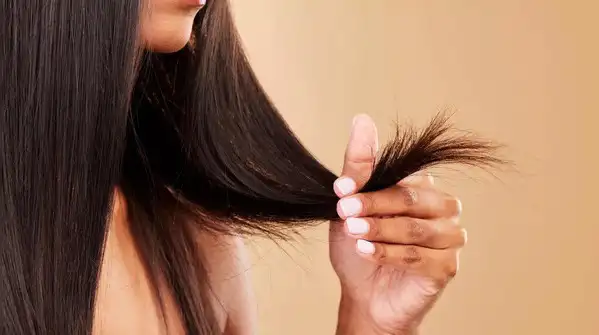
secret oil, or overnight miracle serum that can suddenly force your scalp to pump out inches of hair, a few solid, everyday habits can make a massive difference While there’s literally no magic potion. The real trick isn’t just getting your hair to sprout from the roots—it’s keeping the ends strong enough so they don’t snap off along the way. From fuel on your plate to being a little kinder to your scalp, here are five dead-simple ways to support legitimate, healthier hair growth without destroying your texture. You can use hair oils like coconut oil, argan oil, or almond oil, which provide nourishment to the scalp and hair follicles while massaging. Warm the oil slightly and apply it to your scalp for better absorption. Your straightener, curling wand, and blow dryer might give you that sleek, bouncy finish, but blasting your hair with high heat every single day leaves it dry, brittle, and primed for breakage. And that’s precisely where the ultimate frustration sets in: your hair might actually be growing great right at the roots, but damaged ends keep splitting and snapping off, making it look like your length is completely frozen in time. Try dialing back how often you rely on hot tools. When you do style, always slap on a decent heat protectant first and dial down the temperature setting. Letting your hair air-dry whenever possible is a huge win. Also, go easy when detangling – especially when your hair is soaking wet, which is when the shaft is at its absolute weakest. It sounds completely backward to cut your hair when you’re desperately trying to grow it out, but getting micro-trims is the only way to keep split ends from ruining your progress. However, taking off dead, frayed ends stops splits from traveling further up the hair shaft and causing full-on snaps.


And if you’re dealing with sudden, dramatic, or scary hair shedding, skip the internet advice and book an appointment with a dermatologist. Sometimes, slow growth or loss is a sign of an underlying issue that needs a proper medical eye.