
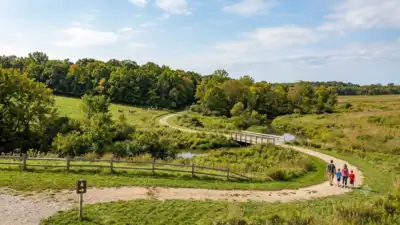
PC: AI Generated
The properties, given by two families, cover a combined 21 acres of mixed habitat and natural space south of Pocahontas. The donation formed part of a wider conservation effort in Iowa during 2025, when individuals, families and organisations helped protect thousands of acres across the state. The 21-acre contribution came from John L. Pascal, who donated a 10-acre parcel to the Iowa Natural Heritage Foundation (INHF). Their property was joined by an adjoining 11 acres given by Gail Ewan, creating a larger stretch of land that could be managed for conservation and public use.
In Pocahontas County, Iowa, two neighbouring parcels of land have found a new purpose through a donation that will keep them available for wildlife and public recreation. Rather than remaining under private ownership, the land was transferred to Pocahontas County Conservation, allowing it to serve the wider community while retaining its value as a habitat for local wildlife. Pascal, Jr. and Sally J. Both parcels are located south of Pocahontas in Pocahontas County. Their proximity made it possible for the two donations to be brought together under a single conservation arrangement, rather than treated as separate pieces of land. Following the donations, ownership of the properties was transferred to Pocahontas County Conservation. The county body will oversee the area as a public recreation space, while the land’s natural character provides an opportunity to retain habitat for wildlife. The donations were made through the Iowa Natural Heritage Foundation, a nonprofit organisation that works with landowners to conserve important natural areas across the state. Its work includes accepting gifts of land, financial contributions towards land value and conservation easements that place long-term protections on privately owned properties. For landowners, these arrangements offer different ways to protect places they have an interest in preserving. In some cases, ownership passes to a conservation organisation or public body. In others, an easement restricts certain forms of development or land use while allowing the property to remain privately owned.