
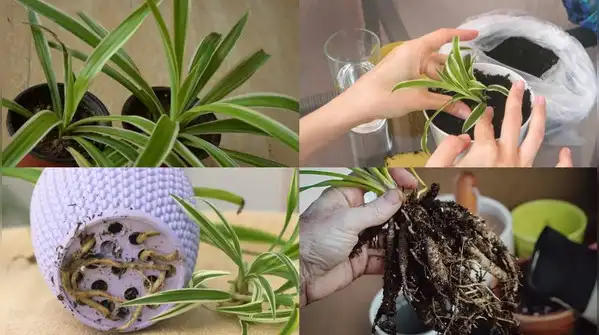
The spider plant is one of the easiest houseplants to love. It is forgiving, quick to grow and happy to produce a fountain of striped leaves and dangling baby plants. As November brings shorter days, cooler air and drier rooms, though, even this tough plant needs a few small changes. Leaves may turn brown at the tips, growth may slow down and the soil can stay damp for too long. Here are five simple tips to keep your spider plant bright, healthy and thriving through the colder months.
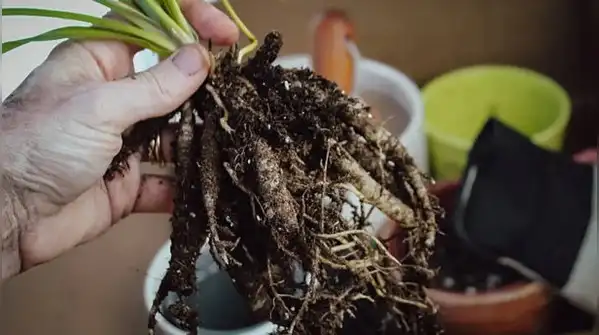
Move the plant to a spot near a bright window, ideally with indirect or filtered light, and turn the pot every week so that all sides get an equal share. Winter sunlight is weaker and shorter, so spider plants need all the light they can get. Avoid scorching afternoon sun through glass, which can burn the leaves, and keep the plant away from dark corners, where the stripes tend to fade and the plant grows thin and floppy. If your home gets very little light, a small grow light for a few hours a day can help. Brown tips are the spider plant’s most familiar complaint, and winter often makes them worse. Dry indoor air is one cause, and tap water that contains fluoride or too many salts can also be to blame. Mist the leaves lightly, place the pot on a tray of damp pebbles or group plants together to raise humidity. If your tap water is hard, let it sit overnight before using it, or use filtered or rainwater. Trim brown tips with clean scissors, following the natural shape of the leaf. Spider plants grow slowly in winter, so they need little or no fertiliser until spring. Feeding too much can build up salts in the soil and cause brown tips. Use a diluted liquid fertiliser at most once a month, or skip it altogether. Wipe dust from the leaves with a damp cloth so the plant can absorb light, remove any yellow or dead leaves, and check for pests such as mealybugs and spider mites, which like dry indoor air. If the roots are crowding the pot, wait until spring to repot.
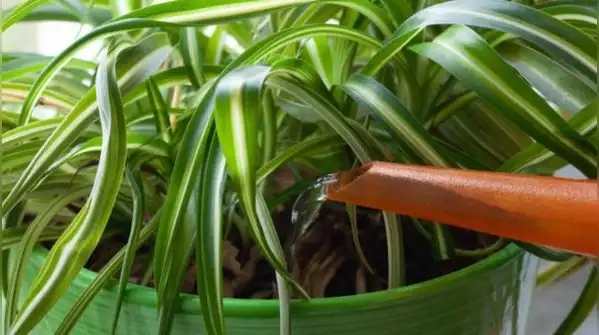
Water less, and check the soil first
Spider plants prefer a comfortable room temperature, roughly 13 to 27 degrees Celsius, and dislike cold shocks. Overwatering is the most common winter mistake. When it is cooler and growth slows, the plant uses less water, and soggy soil can rot the thick, fleshy roots. Check the soil with your finger, and water only when the top inch or two feels dry, usually every one to two weeks, depending on your home. Water thoroughly, let the excess drain away and never leave the pot sitting in a saucer of water. Make sure the pot has drainage holes. Keep the plant away from drafty windows, open doors and cold balconies at night. At the same time, do not place it right next to a heater, fireplace or air conditioner, since hot, dry air can scorch the leaf tips. A steady, moderate spot is best. If you keep plants on a balcony, bring them indoors on cold nights.