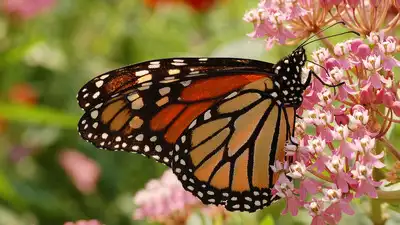
At West Wind Farm in Kentucky, Charlie Williams planted swamp milkweed through a conservation easement to support monarch butterflies. Image credits: Wikimedia Commons
Williams wrote in his essay, This I Believe, that he started planting trees in the spring of 1962. His Good Friday custom began on April 16, 1976. He said he discovered the concept of carbon sequestration only after 40 years of his planting activity.
He primarily plants Christmas trees but has planted some chinese chestnuts, peaches, apples, pears, bald cypress trees, redbud trees and dogwood trees. William’s minister appreciates the symbolism of planting Christmas trees on Good Friday. Williams’ motive is very simple.
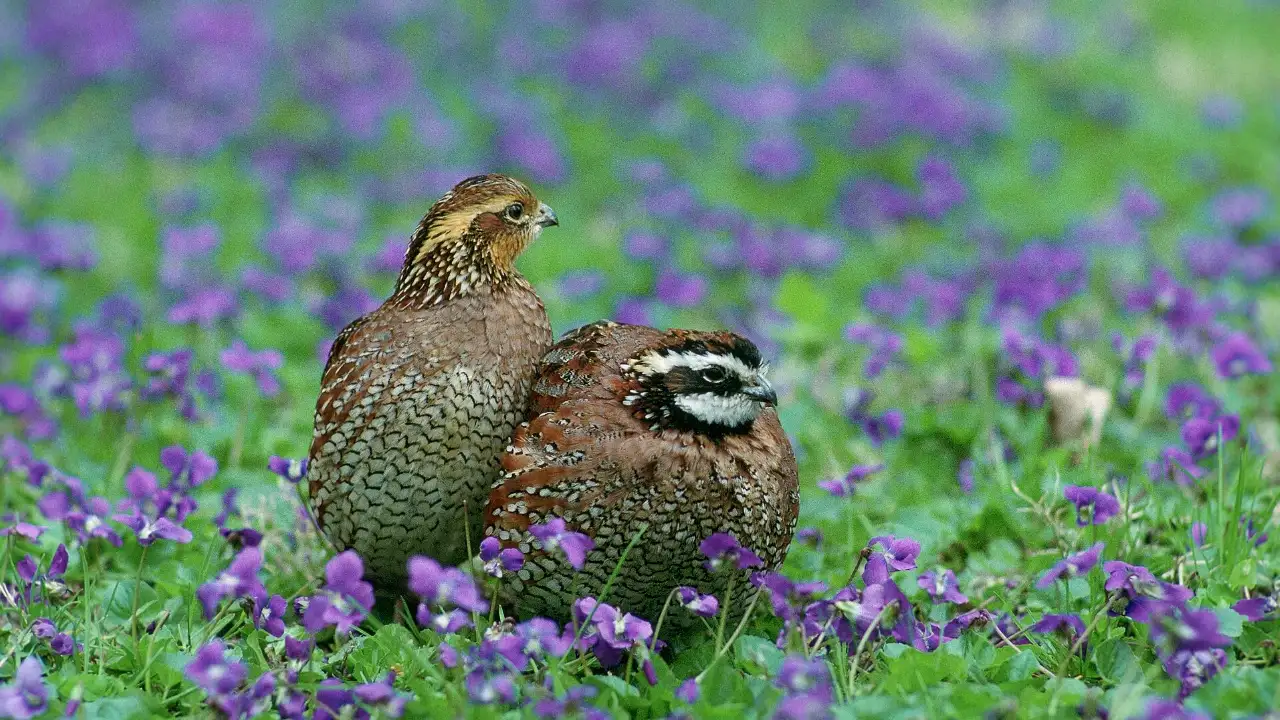
The study Northern bobwhites select for native grasses on working grazing land , published in the Journal of Wildlife Management in 2026, reports that bobwhite numbers have dropped 85% across most of their range since the 1960s, with the worst losses in the southeastern US. The study was based on radio-telemetry monitoring from April 2019 through October 2022, in eastern Kentucky, where grazed and burned native warm-season grass fields sat alongside exotic grazed and hayed cool-season grass fields. The study Quasi-extinction risk and population targets for the Eastern, migratory population of monarch butterflies (Danaus plexippus), published in Scientific Reports , found that the eastern migratory population fell 84% between the winters of 1996-97 and 2014-15. It put the chance of quasi-extinction within 20 years at 11% to 57%. They concluded that the population would need to grow to above five times its winter 2014-15 size to cut quasi-extinction risk in half, underscoring how stochasticity and a small current population amplify vulnerability.
Quail need that kind of cover. Birds followed by researchers in Eastern Kentucky chose native warm-season grasses over exotic pasture grasses at multiple scales. This study was not carried out on West Wind Farm; however, the planting used was similar. The research found bobwhites used the native grass fields more than expected by chance at both second- and third-order scales, while cool-season pastures were used less than expected. The population of monarchs has declined drastically. USGS defines a quasi-extinction population as one that has too few survivors for recovery to be possible. In the paper, the authors used a Bayesian multivariate auto-regressive state-space model to estimate extinction risk and conservation targets.