
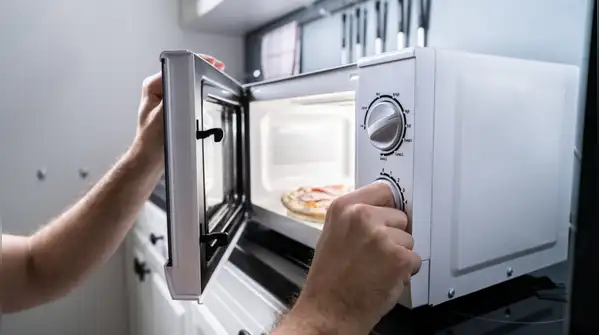
Reheat leftovers to 165°F (74°C) throughout, stirring or rotating food in the microwave for even heating. Because they are microwaved, importantly, there is no scientific rule that these foods become poisonous simply. Some can become rubbery or soggy, others can heat unevenly, while a few can pose a genuine safety problem if reheated incorrectly. The bigger concerns are uneven heating, texture, splattering and, in certain cases, the risk of burns or bacterial growth if leftovers have not been stored properly. Here are eight foods that deserve extra care.
The microwave is one of the quickest ways to turn yesterday’s dinner into today’s meal, but not every food responds well to a second round of heat.
Microwaving Chillies and Thick Foods: Key Considerations
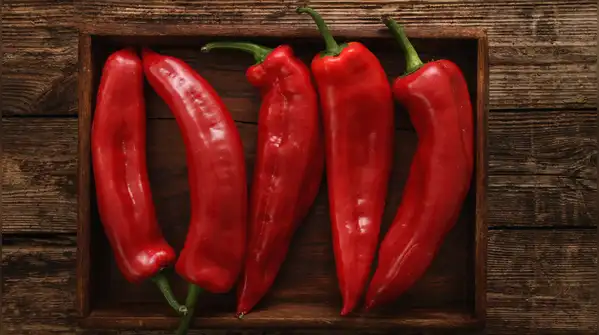
Microwaving chillies can produce irritating vapours due to the vaporisation of capsaicin-rich oils. To avoid this issue, it’s advisable to chop chillies before reheating them, as this promotes even heat distribution in the dish.
Thick foods like gravy, curry, and pasta sauce can create hot spots in the microwave, leading to uneven heating. A spoonful of curry might feel lukewarm in one area while scalding in another. To mitigate this, cover the food, stir or rotate it during heating, and allow it to stand briefly for more consistent warmth.
While pakodas, samosas, fried chicken, and French fries can be reheated in the microwave, this method often compromises their texture. Microwaves heat water molecules, generating steam that can make crispy coatings soft rather than restoring their crunch. Alternative methods like using an oven, air fryer, or hot pan are generally more effective for reheating these items.
The important safety rule is to ensure the leftovers reach 165°F (74°C) throughout. For leftovers, reheat to 165°F (74°C) throughout. Cooked fish and seafood can be reheated safely if they have been refrigerated correctly, but microwaving can quickly turn delicate flesh dry and rubbery. Strong seafood aromas can also spread through the kitchen as the food heats. To improve the texture, consider adding a small amount of water, broth, or sauce before reheating. This can help prevent the seafood from drying out and keep it more tender. Arrange the pieces evenly in the dish and avoid overheating them, since repeated or prolonged heating can make the texture tougher. Let the food stand briefly after heating so the warmth can distribute more evenly. If you need to reheat it, use lower power and short intervals, covering the dish to retain moisture. Sausages, hot dogs and other processed meats can heat unevenly in the microwave, and their high salt and fat content can make the texture tough or rubbery. They are not inherently unsafe to microwave, however. Th e FDA specifically advises that deli-style meats and similar products should be reheated until steaming hot for people at higher risk of foodborne illness. The microwave itself is not the enemy. Improper storage and uneven reheating are the bigger concerns. Keep leftovers refrigerated promptly, use them within two or three days, and when reheating, cover, stir, or rotate the food so heat reaches the centre.
Before putting yesterday’s meal on high for two minutes, remember: some foods need a different reheating method, while others simply need a little more care.