
PC: AI Generated
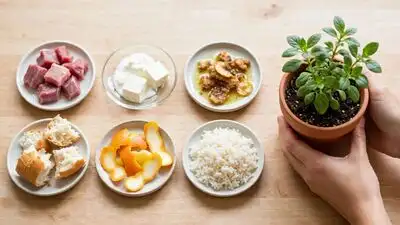
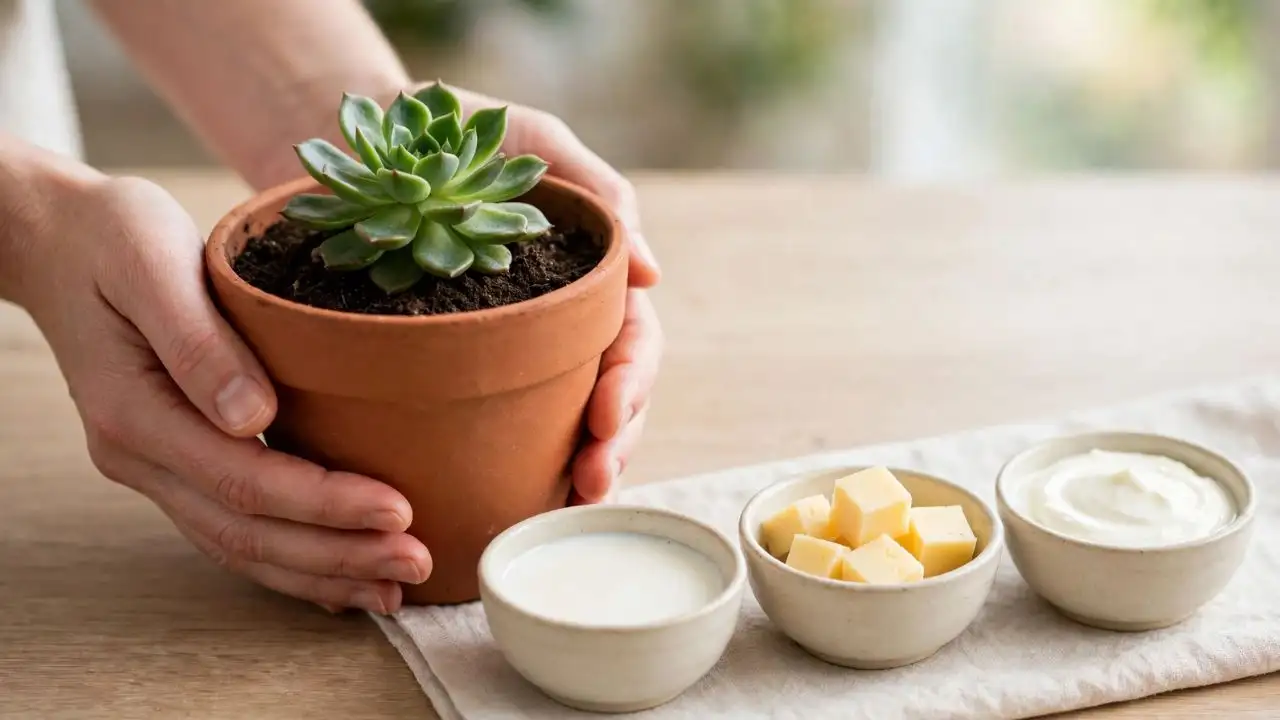
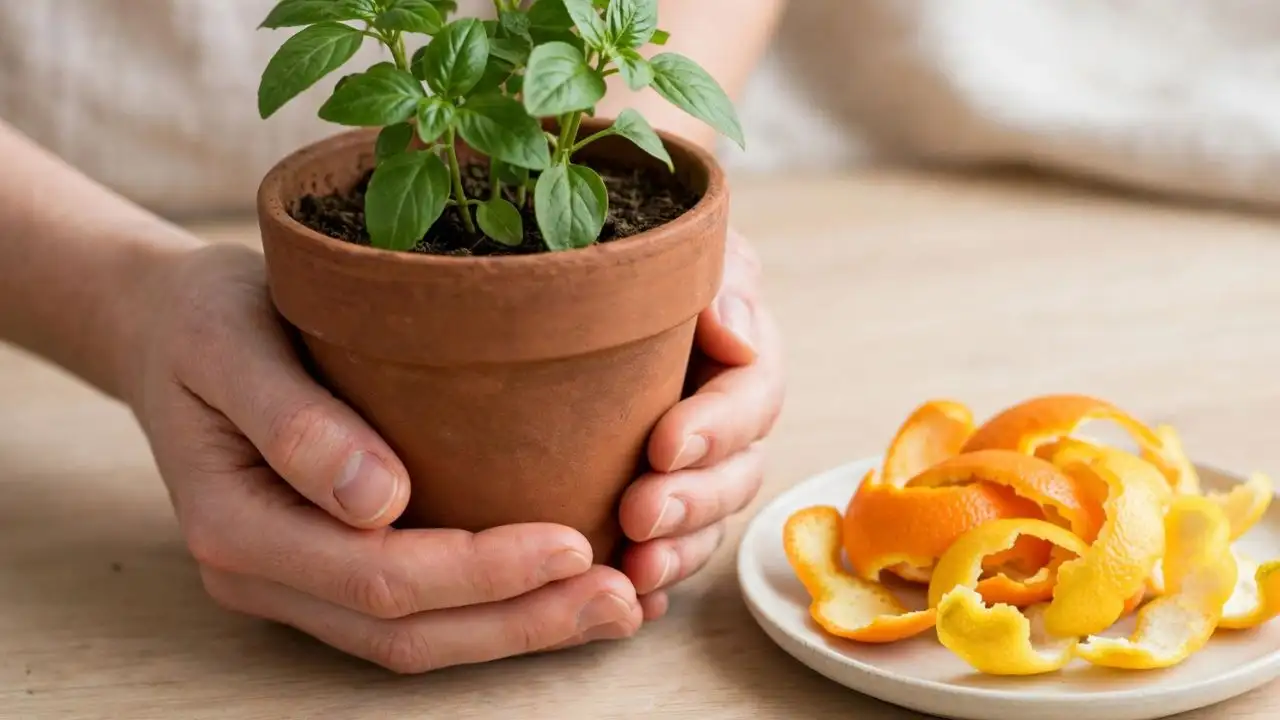
Because containers have less soil and limited space for organic waste to break down, this is especially important for potted plants. Kitchen waste can seem like an easy way to give plants a little extra nourishment. A handful of vegetable peels or fruit scraps may look harmless when added to the soil. But fresh food waste does not turn into compost overnight. In a plant pot, it can start to rot before it has a chance to break down properly. That can bring flies and other pests, create unpleasant smells, and encourage mould. Some kitchen waste can also affect the soil when they are added regularly or in large amounts. Fortunately, many kitchen scraps can still be useful in gardening. The difference lies in how they are handled. Composting allows food waste to decompose properly before it reaches your plants. Knowing which scraps to keep out of pots can help maintain cleaner soil and healthier growing conditions. Greasy food does not belong in plant pots. Leftover fried food, oily sauces and cooking oil can affect the soil and may make it harder for water to move through the growing medium. They can also attract pests as they break down. Keep oily kitchen waste away from your pots rather than mixing it into the soil. Leftover cooked food often contains salt and seasonings that plants do not need. Repeatedly adding salty food scraps to a pot can change the soil and may make it harder for plant roots to absorb water. Vegetable leftovers are a better choice for composting.
Rice, pasta, bread and other cooked foods may look like useful organic matter. But when buried in a pot, they can become a source of mould and attract insects. They may also stay damp for longer than expected. If you want to recycle food waste for gardening, compost it first rather than placing it directly into the container. Composting is a safer way to turn suitable kitchen waste into something useful for the garden. Food scraps are given time to break down with other compost materials. The compost is more suitable for mixing into soil than fresh pieces of food. If you have already added food waste to a plant pot, remove any visible pieces. Check the soil for insects, mould or a bad smell. Clearing away fresh scraps can help prevent pests and reduce the chance of the waste continuing to rot in the container.