

There’s a specific kind of disappointment reserved for reaching into the fruit bowl for a lemon and finding it’s gone soft, wrinkled, or worse, spotted with mould at the base, especially when you’re fairly sure you bought it just last week. Lemons have a reputation for looking sturdy but actually being fairly high-maintenance; once you take a closer look at how quickly they lose moisture and where you store them and how, it makes a genuinely dramatic difference to how long they last. The good news is fixing this doesn’t require anything complicated, just a slightly better understanding of what a lemon actually needs to stay fresh. Here’s how to store lemons properly, whether you’re keeping them whole, cut, juiced, or planning ahead for weeks.
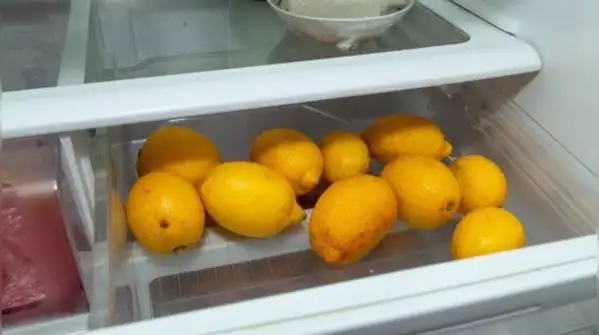

Simply tossing loose lemons into the crisper drawer works, but it isn’t the most effective approach. For best results, place whole lemons inside a sealed, airtight bag or container before refrigerating, this extra barrier helps them retain moisture far more effectively than sitting loose against the fridge’s naturally dry air. Don’t store lemons with ethylene-producing fruits like apples, bananas, and melons. The fruits release ethylene gas that will also speed up the process of ripening and spoiling of nearby produce, lemons included.
Freeze whole lemons in a sealed bag or container and simply defrost at room temperature when needed, keeping in mind the texture won’t be quite the same as fresh, so frozen lemons work better in cooking and beverages. If you’ve already juiced your lemons, or find yourself with more juice than you need immediately, transfer it into a sealed jar or airtight container and refrigerate it. Lemon juice generally holds up well for about four days this way, though its bright, sharp flavour will gradually mellow the longer it sits, so it’s best used sooner rather than later for anything where that fresh citrus punch really matters. For genuinely long-term storage, freezing is your best option, whole lemons, juice, and zest can all be frozen for up to around four months. One genuinely useful bonus tip: zesting a frozen lemon is actually noticeably easier than zesting a fresh one, worth remembering next time a recipe calls for it.