
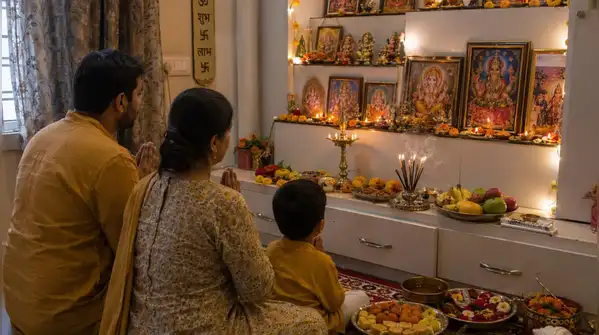
A home temple is often treated as the spiritual heart of the house, a quiet space where families pray, meditate and begin or end the day. But when it comes to choosing and placing idols, Hindu traditions and Vastu Shastra offer several guidelines that are often misunderstood. One important caveat is that these rules are not universal Hindu commandments. Practices vary across regions, sampradayas, temples and family traditions. Some forms that are considered unsuitable for a particular home altar may be central to worship in temples. With that distinction in mind, here are some commonly cited Vastu and traditional beliefs about idols in a home puja space.

These idols are often said to be unsuitable for a home temple, here’s what Hindu traditions and Vastu actually say
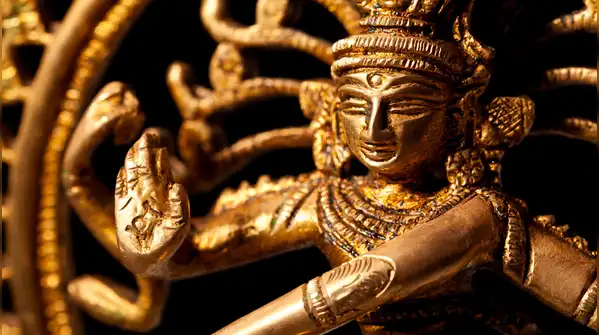
Because of the powerful symbolism associated with this form, traditional Vastu practices often recommend placing a Nataraja idol in a temple or dedicated spiritual space rather than keeping it as a casual decorative piece at home.
This does not mean that Mahakali or Bhairav are “negative” deities for a home. Forms such as Mahakali and Bhairav are revered across Hindu traditions, but their worship can involve specific rituals, mantras and practices. In some traditions, these forms are associated with protection, the removal of obstacles and confronting deeper spiritual forces. That is why some practitioners advise that certain fierce forms are better approached under the guidance of a knowledgeable guru or within an established temple tradition rather than casually placing an idol in a home shrine. For devotees whose family or spiritual tradition specifically worships these forms, home worship can be entirely meaningful. The key distinction is between ordinary household puja and specialised tantric or ritual practice. The image of Nataraja, Shiva as the cosmic dancer, is one of the most recognisable representations of Hindu art. His dance symbolises the dynamic cycle of creation, preservation and destruction, along with the destruction of ignorance. Nataraja is also traditionally worshipped in temples, particularly in South Indian Shaiva traditions. Nataraja represents Shiva in his cosmic dance, symbolising the eternal rhythm of creation, preservation and destruction. For those who choose to worship Nataraja at home, the idol is traditionally placed with particular attention to its direction and surroundings, keeping the puja space peaceful and spiritually focused.
Because it is sometimes incorrectly included in lists of idols that should never be kept at home, the Shiva Lingam deserves a separate mention.
The reasoning is not simply about “bad energy”. In traditional iconographic thinking, a murti is created according to prescribed proportions and forms, so significant physical damage can make it unsuitable for ritual worship. This is one of the more widely observed traditional guidelines. A chipped, cracked or visibly damaged murti is generally not kept on the household altar for regular worship. Vastu traditions commonly advise that damaged idols be respectfully removed rather than continuing to worship them as before. If an idol breaks accidentally, however, there is no reason to panic. It can be handled respectfully and, depending on family or regional tradition, taken to a temple or given an appropriate ritual farewell. A Shiva Lingam can be worshipped at home. However, different traditions prescribe specific rules regarding its size, placement, abhishekam and the direction of the yoni or water outlet. So it is better to follow the practice of one’s own Shaiva or family tradition rather than treating every rule as universal. The south is one of the most debated directions in household Vastu. Many contemporary Vastu guides advise against having the principal deity face south and instead recommend an east-facing arrangement, with north also considered favourable for the devotee’s direction of prayer. But even here, traditions differ. Certain deities and ritual traditions have specific directional associations, so a blanket rule that every deity must never face south oversimplifies the subject.