
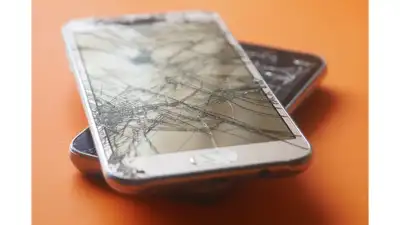
Smartphone damage is common in India, but protection remains rare
A new consumer study found that 29% of Indians have used rice to deal with a water-damaged smartphone. The study, conducted by Hansa Research for OneAssist, also found that only 6–8% of consumers currently have an active smartphone protection plan. The report, titled The Great Indian Smartphone Protection Crisis, examined smartphone usage, accidental damage, and protection-plan adoption among consumers in India. It found that 82% of respondents had dropped their smartphone at least once, while 72% had experienced accidental damage. Accidental drops and screen damage were among the common causes of smartphone damage identified in the study. Phones slipping out of pockets or bags accounted for 36% of accidental damage incidents, according to the report. The study also looked at how consumers reacted after damaging their phones. It found that 35% of respondents panicked immediately after dropping their device, while 24% said they had fought with someone over the incident. 94% of women had accidentally dropped their smartphones, compared with 80% of men, according to the study. Women reported accidental damage 79% of the time, compared with 71% of men. Among women who had dropped their phones, 43% said they panicked after the incident, compared with 33% of men. The study also found that women reported child- or pet-related incidents at three times the rate reported by men. Despite the frequency of accidental damage, the study found that only 36% of consumers had used a smartphone protection plan at some point during their device ownership. Current active protection-plan adoption was between 6% and 8%. The report identified affordability, limited understanding of protection-plan benefits, and concerns about the claims process as reasons consumers do not adopt such plans. The study also found that some consumers resort to temporary fixes after damaging their devices. Along with the 29% who used rice for water-damaged phones, 20% to 32% of respondents said they used tape or other temporary solutions to hold damaged devices together. Consumers aged 26–30 were identified as the group with the highest reported smartphone dependence across activities including communication, digital payments, shopping and entertainment. The study also examined the use of refurbished and pre-owned smartphones. It found that 70% of consumers believe protection plans are more important for pre-owned devices than new ones. Around 30% of respondents said the availability of a warranty or protection plan would make them consider buying a pre-owned smartphone. The report also found a difference between metro and non-metro consumers, with 54% of non-metro respondents saying they had purchased pre-owned smartphones, compared with 30% of metro consumers.
Because of smartphone damage. The responses varied between men and women, another 15% said they had cancelled plans. This highlights how some users in the country still attempt to fix device damage on their own.
The study said this has increased the financial impact of accidental damage and repairs for users. Get the latest technology news and updates. The findings come as consumers keep smartphones longer and device prices rise. Download the TOI App.