The Sahrawi refugee camps around Tindouf face a difficult combination of heat, sandstorms and periodic heavy rain | instagram/@trtworld
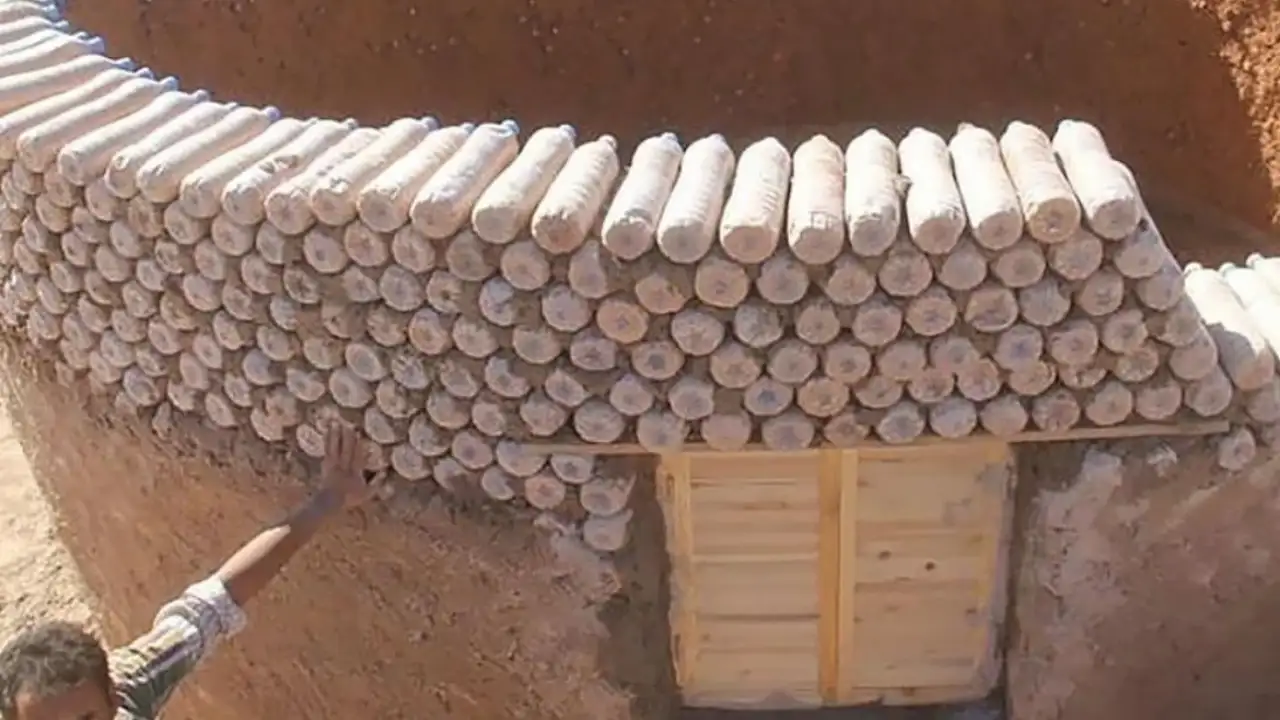
He remembered a documentary about building with plastic bottles and decided to try the approach himself, according to the United Nations High Commissioner for Refugees (UNHCR) . Breica told UNHCR that he was raised in an adobe house with a zinc roof and that his family dealt with high temperatures, rain and sandstorms. Sahrawi engineer Tateh Lehbib Breica used discarded plastic bottles packed with sand instead of conventional bricks, along with other materials, to construct a house for his grandmother. He had grown up in the Awserd refugee camp near Tindouf and later earned a master’s degree in energy efficiency. His idea emerged after severe flooding had damaged homes in the camps and after he found himself with a large supply of discarded bottles that had originally been intended for a roof garden. The Sahrawi refugee camps around Tindouf face a difficult combination of heat, sandstorms and periodic heavy rain. Traditional adobe homes can be damaged by prolonged rainfall, while conventional roofs can make the interiors extremely hot. When he returned to the camps after his studies, he wanted to build a more comfortable home for his grandmother.
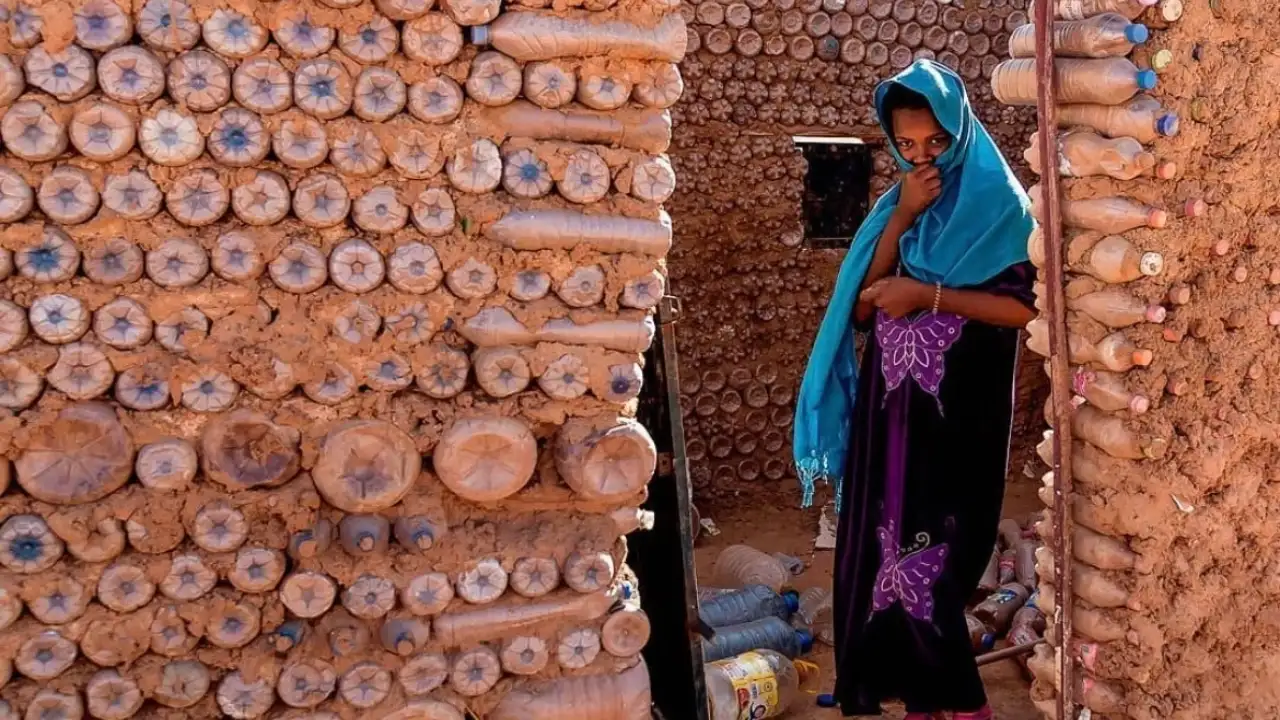
A later assessment by World Habitat records that construction of the wider project began in November 2016 and that 27 buildings were ultimately completed by April 2017, two more than the original target. Because they had low incomes, were elderly, or had special needs or disabilities, the homes housed about 50 refugees selected.
World Habitat’s project summary says each home took roughly a week to build.
Each house required thousands of plastic bottles, which were filled with sand and stacked horizontally before the walls were covered and finished with conventional building materials.