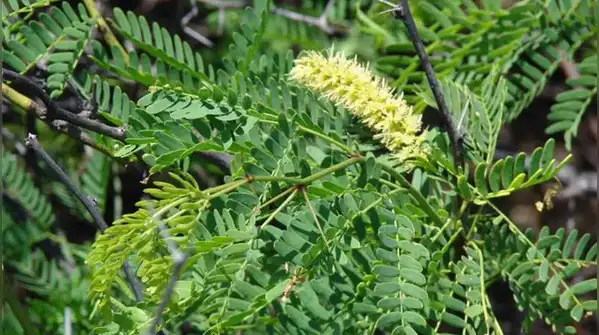
Some hug the highways, others sprawl across forests, take over ponds, or blanket grasslands. Many are even celebrated for their flowers or shade. But a surprising number of the country’s most invasive alien plants only showed up a few generations ago, hitching rides through colonial trade, botanical experiments, and forestry projects.
Today’s India is blanketed with plant species that seem so routine, so much a part of the landscape, it’s tempting to think they’ve always grown here.
The story is messier than simply “plants from Britain. Actually, a lot of these invaders are from the Americas, Africa, or other corners of the world, and then made their way to India through vast British colonial networks. By the late 1700s, the East India Company’s botanical garden in Calcutta had turned into a halfway house for plant species from everywhere.
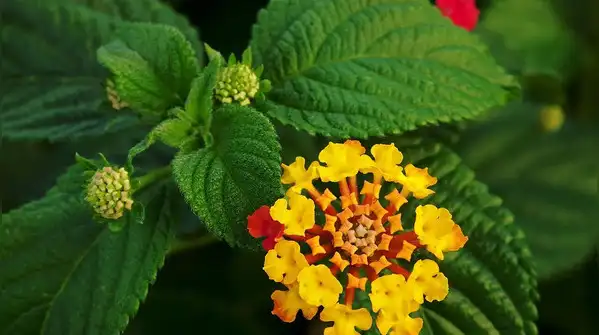
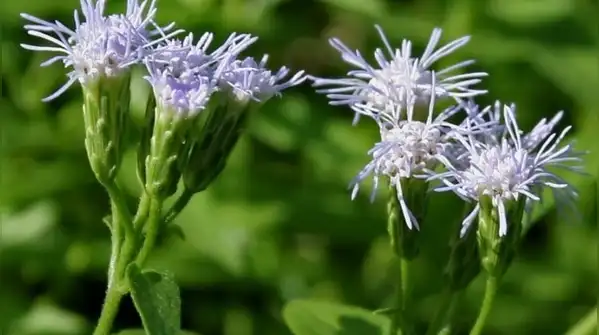
Per a 2019 review , brought to India in the early 19th century (in 1807, to be precise) as an ornamental, it took off from Calcutta’s botanical garden and started choking out farmland, roadsides, and forests. The scale is wild, as Lantana now covers about 13.2 million hectares of Indian pastureland. Known as Siam weed, research shows, Chromolaena odorata first popped up in northeast India after a stint in the Calcutta Botanic Garden in 1845, almost certainly as a garden curiosity, possibly from Jamaica.
Talk about a sweet-looking pest! At first, Lantana camara is just gorgeous: dense foliage, tiny flowers in orange, red, pink, and yellow. But its beauty is deceptive. These thickets are so dense that nothing else grows beneath them. Researchers now think most of the varieties invading Indian landscapes had already been bred or hybridised in European gardens before even reaching India. This is the forest creeper from nowhere. It now spreads rapidly in disturbed lands, especially protected areas like Manas National Park. With seeds that float freely on the wind, it’s a nightmare to contain and relentlessly chokes out indigenous grasslands.